Andy Warhol’s Factory: The Studio That Changed Contemporary Art
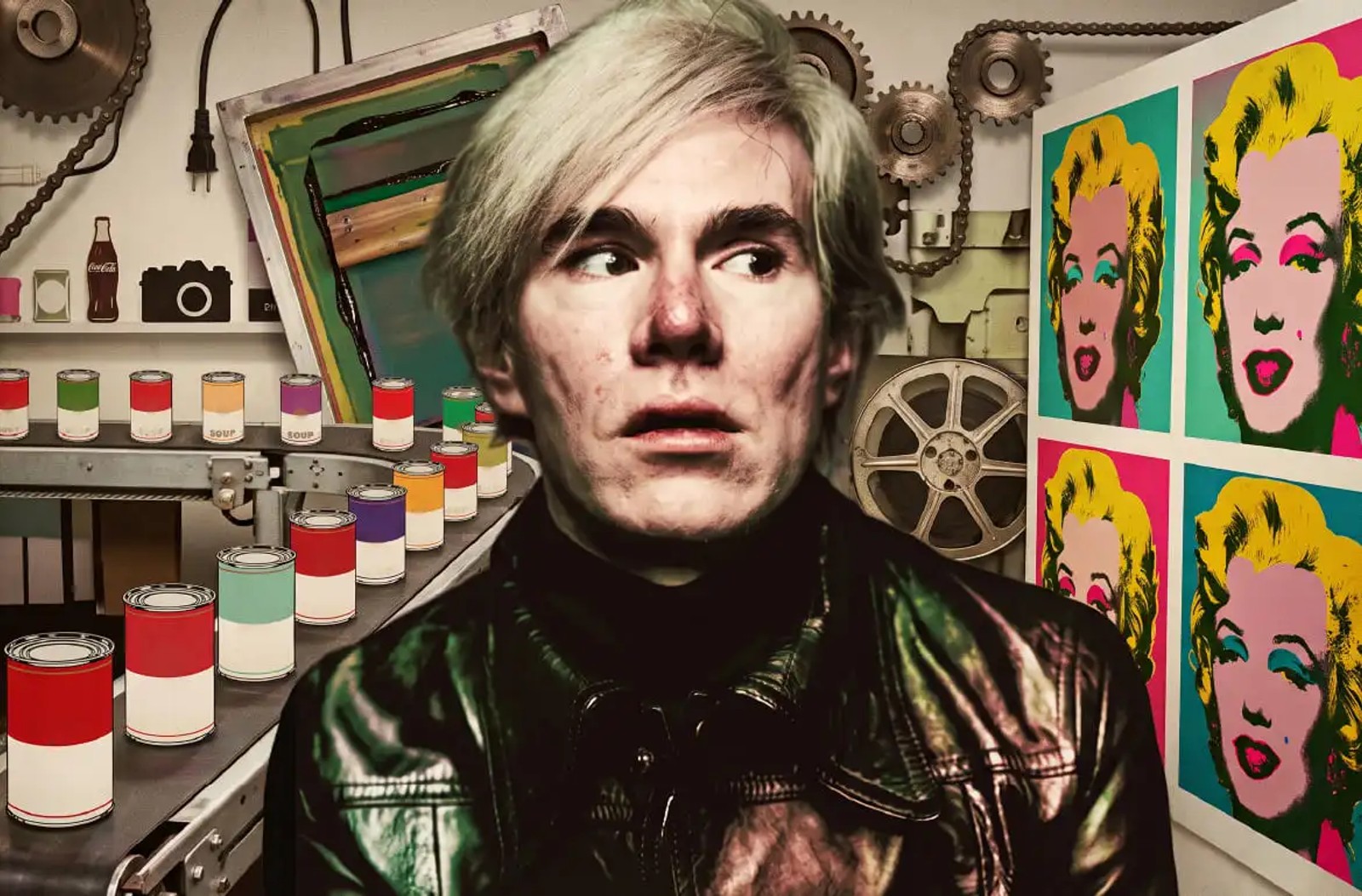
Andy Warhol at work in his studio "Factory"
In April 2026 Uniqlo opened a store at 860 Broadway, on Union Square. Andy Warhol ran his Factory from the third floor of that building between 1974 and 1984, Domus noted a week after the store opened. Before the clothing racks arrived, the building had held a nightclub and then a Petco, from the mid-1990s on.
That was the third Factory, and the most formal. The one people usually mean is the first. It was a loft on East 47th Street with silver walls, where Warhol made paintings, prints and films with a crew of assistants, friends and visitors who came up to watch.
How Did the Factory Get Its Name?
The name described the work. John Cale, who formed the Velvet Underground with Lou Reed, remembered the studio for The Guardian in 2002:
“It wasn’t called the Factory for nothing. It was where the assembly-line for the silkscreens happened. While one person was making a silkscreen, somebody else would be filming a screen test. Every day something new.”
Warhol did not make every work alone. Assistants such as Gerard Malanga handled the screens, while a stream of artists, musicians and socialites passed through. For an artist who painted soup cans, a studio organized like a production line fit the subject matter.
The name also matched his ideas about art and commerce. Mass production, repetition and famous brands were the subjects of his work. At the Factory, the same logic applied to the way the work got made.
Where Was the Factory?
Over 23 years the Factory had four addresses. The New York City Municipal Archives names three of them as studios Warhol called the Factory. Every move came with a new stage in his career.
The fifth floor at 231 East 47th Street in Midtown Manhattan (1964–1968)
Warhol moved into the fifth-floor loft in 1964. Billy Name, a friend and photographer who also managed the space, covered the walls in foil and silver paint. The silver walls gave the place its name, the Silver Factory.
Name also rescued a red couch from the sidewalk. It appears in many photographs from those years and is the only set in films such as Couch (1964). Jose Diaz, a curator at The Andy Warhol Museum, told History.com that the loft attracted “every walk of life, from the most beautiful people to other artists, celebrities, musicians.”
The sixth floor of the Decker Building at 33 Union Square West (1968–1973)
Warhol moved downtown early in 1968, to the sixth floor of the Decker Building on Union Square. Warhol used the new space more as an office. On June 3 of that year Valerie Solanas shot him there, and afterward the studio was closed to most of the old crowd. Today the building holds apartments.
860 Broadway at the north end of Union Square (1974–1984)
In 1974 the studio moved to the third floor of 860 Broadway, a former warehouse facing Union Square Park. Warhol’s partner, Jed Johnson, renovated it with the architect Peter Marino. The rooms filled with Art Deco furniture Warhol had used on his film sets.
This Factory worked more like a salon. Younger artists came to see him there, Jean-Michel Basquiat and Keith Haring among them, and he taped his series Andy Warhol’s TV in the space. His friendship with Basquiat produced the joint paintings described in ArtLife’s article on the Warhol and Basquiat collaboration.
In 1984 Warhol left for 22 East 33rd Street, where the studio stayed until his death in 1987.
Who Worked at the Factory?
A small group kept the studio running while the crowd came and went:
- Gerard Malanga: Warhol hired him in 1963 because he knew silkscreen printing. He later danced in the stage shows and acted in the films.
- Billy Name: He gave the first studio its silver walls, photographed the people in it and managed the space.
- Paul Morrissey: Warhol met him in 1965. Morrissey ran the business side, briefly managed the Velvet Underground and directed Warhol movies such as Flesh (1968), Trash (1970) and Heat (1972).
Warhol cast his films from the people around him. His leading players, known as superstars, included Edie Sedgwick, Viva, Ultra Violet, Candy Darling and the singer Nico. For some of them, the films led to fame outside the studio.
What Works Came Out of the Factory?
The studio produced far more than paintings. Warhol ran his prints, films, music projects and stage shows from the same rooms.
Prints
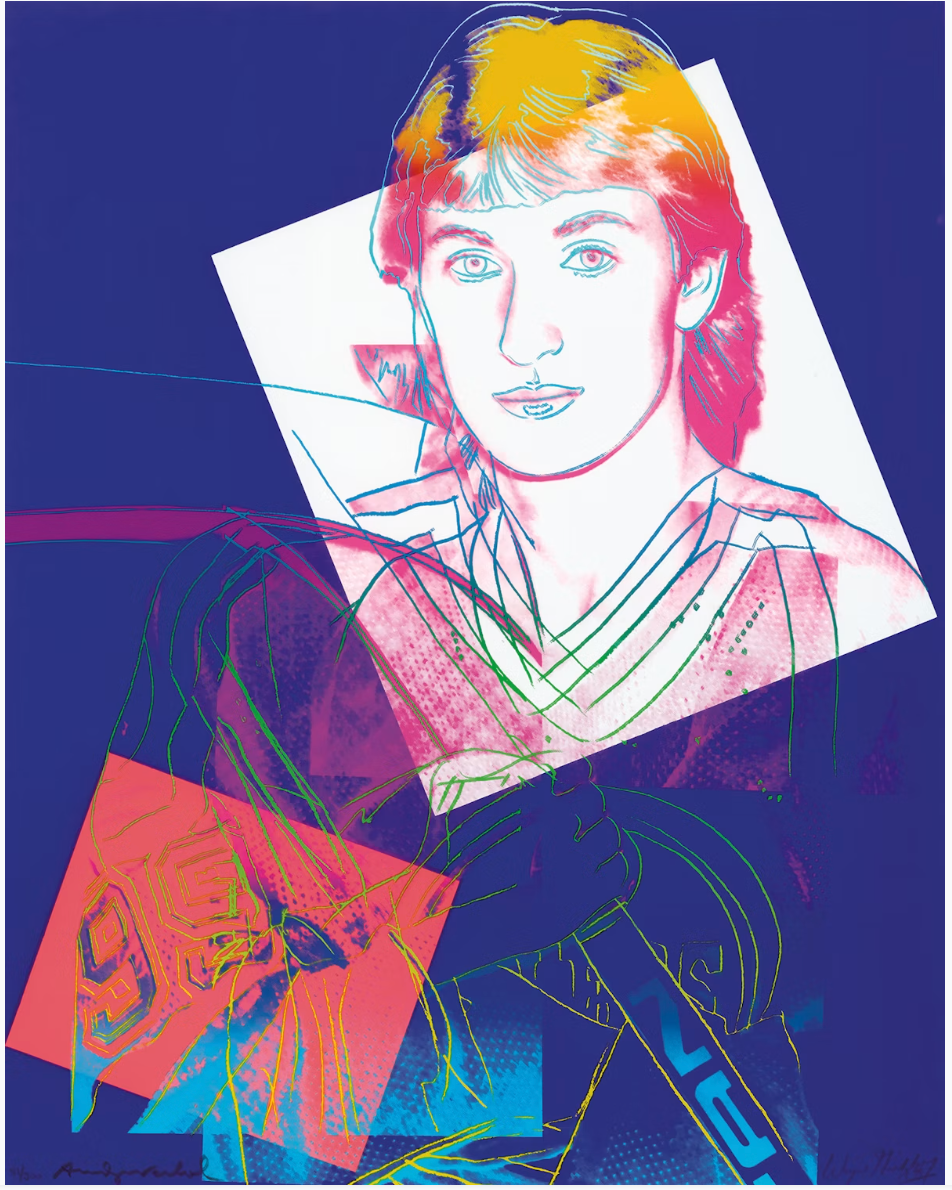
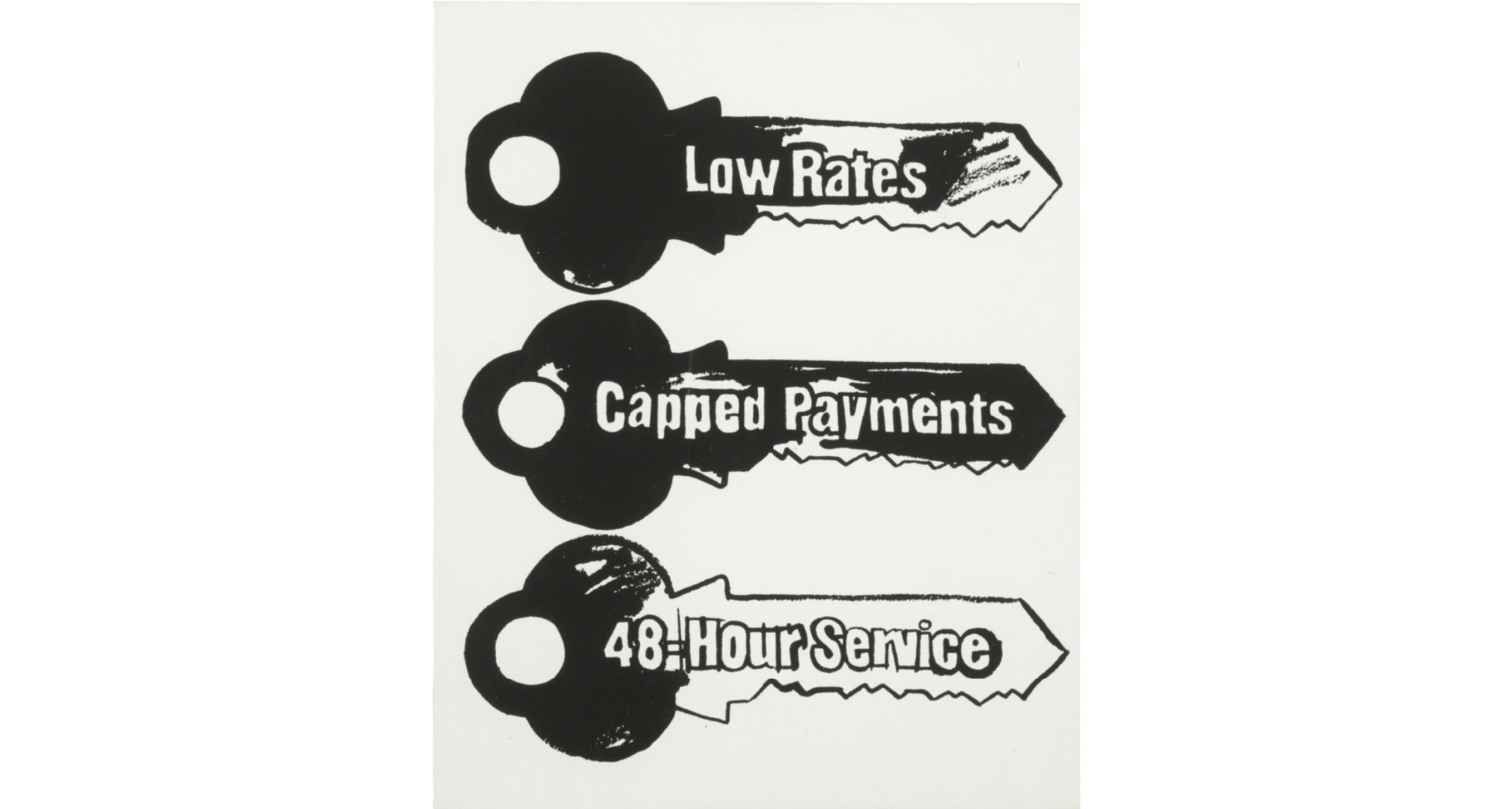
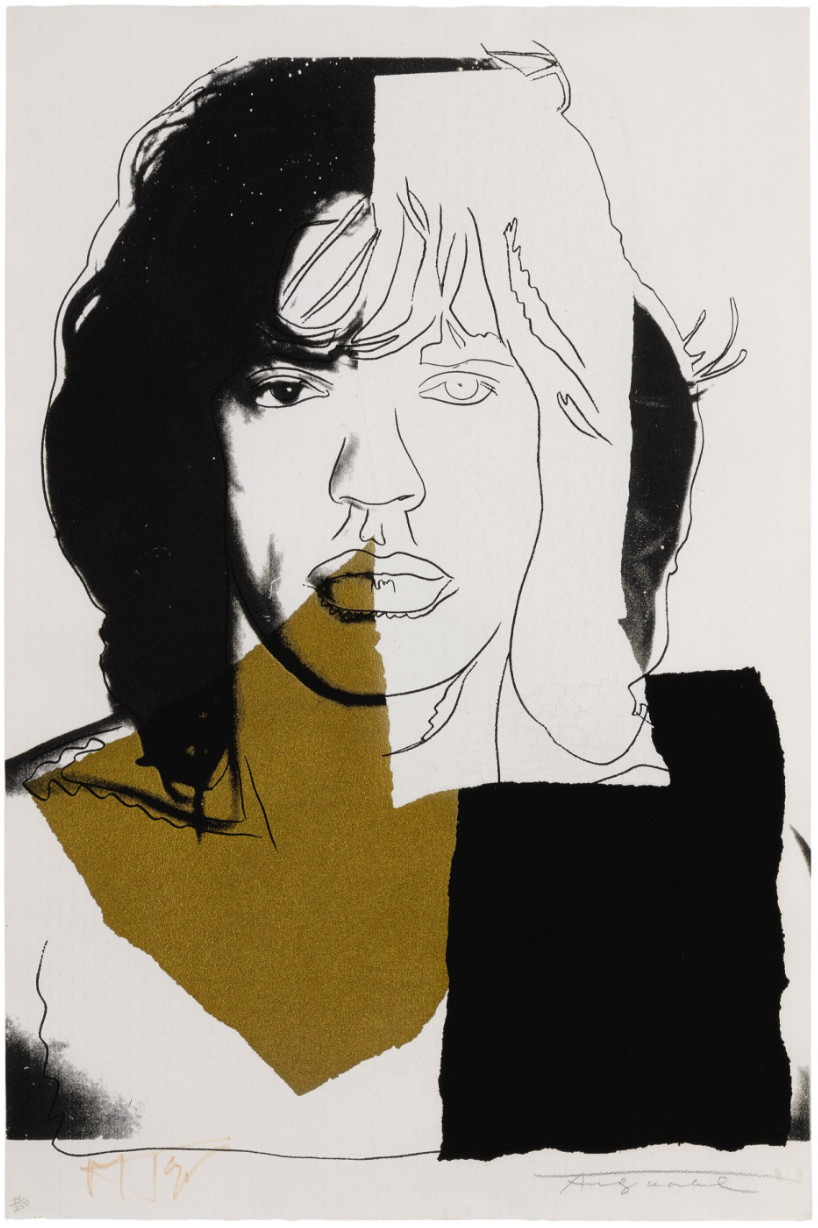
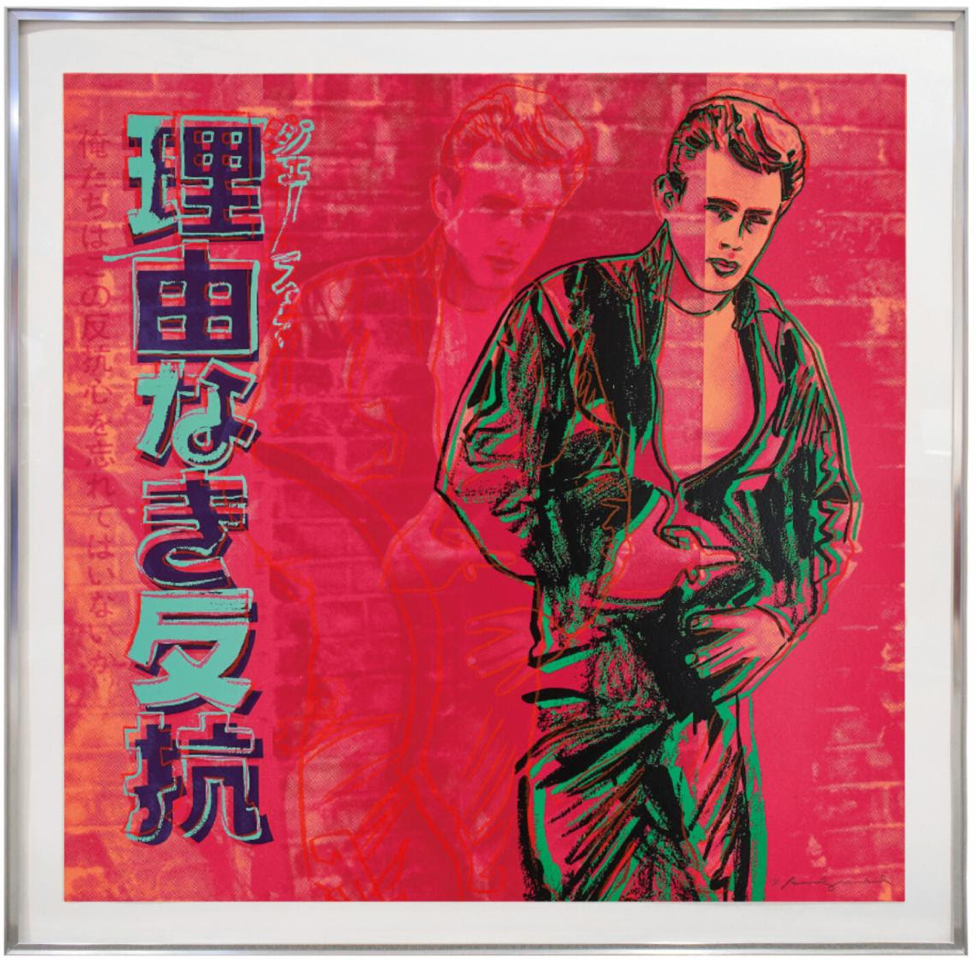
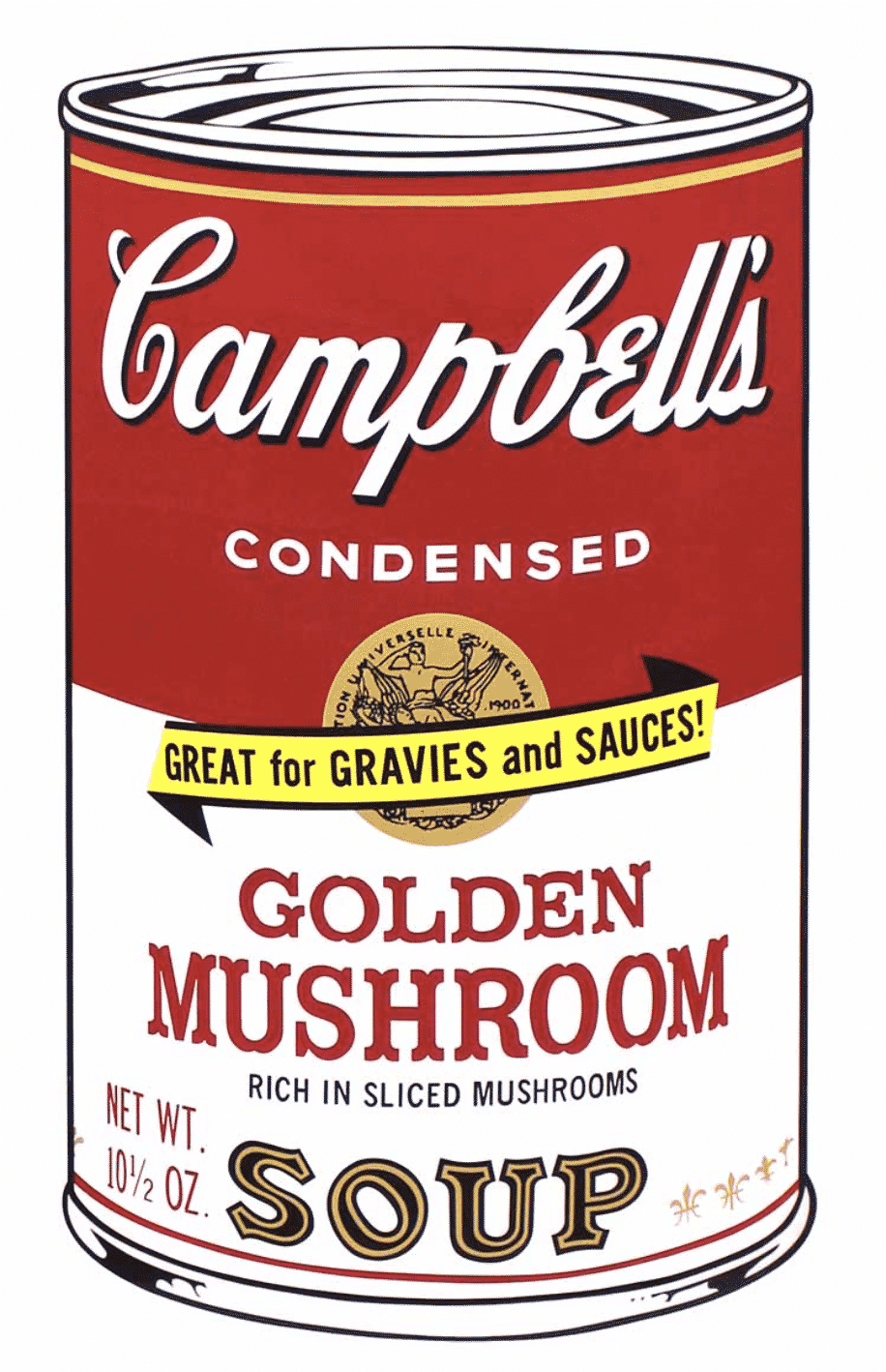
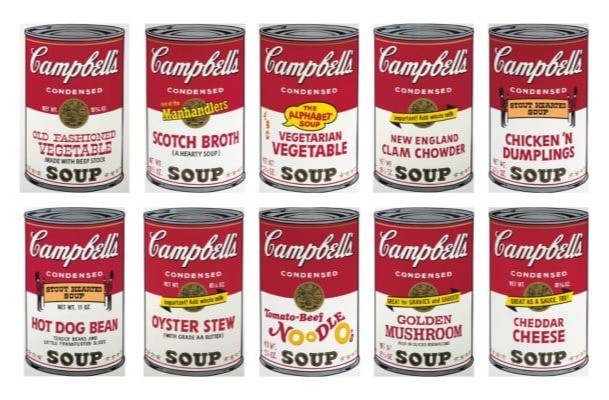
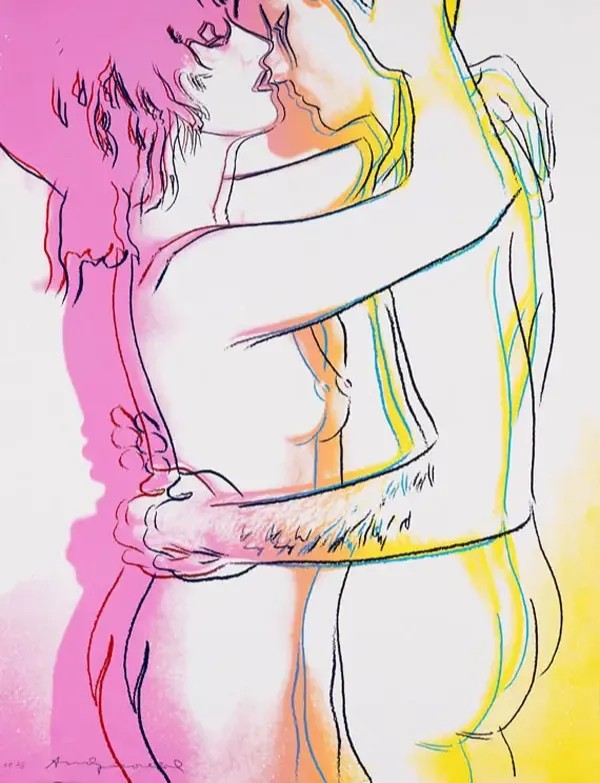
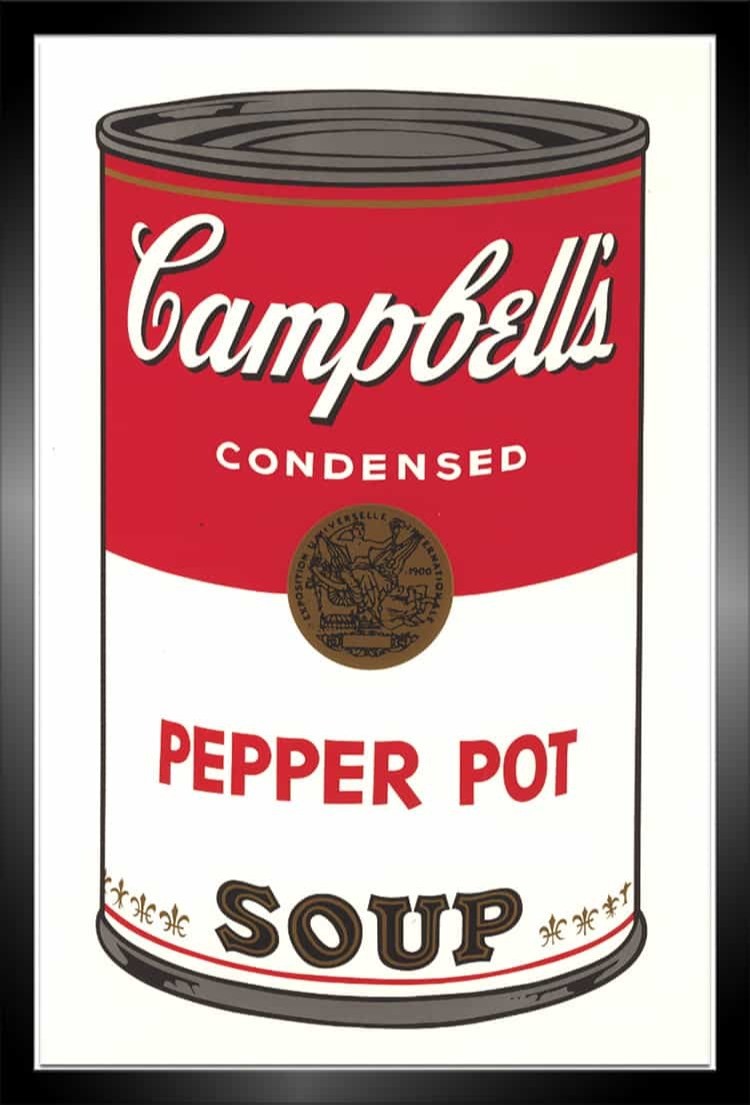
Many of the prints collectors look for today were published by Factory Additions, the company Warhol set up for his editions. It put out 250 numbered sets of three famous portfolios: Marilyn Monroe in 1967, Campbell’s Soup I in 1968 and Flowers in 1970.
Not all the printing happened on the premises. Sotheby’s catalogue for a complete Campbell’s Soup I set names an outside firm, Salvatore Silkscreen Co., as the printer, with Factory Additions as the publisher.
Films
The Factory was also a film set. Visitors sat for screen tests, and the regulars acted in longer features. Chelsea Girls (1966), made with Paul Morrissey, was their first success with art-house audiences.
Music
Warhol began working with the Velvet Underground in late 1965, managing and producing the band. In April 1966 he arranged their first recording sessions at Scepter Studios, the basis of The Velvet Underground & Nico (1967), according to The Andy Warhol Museum.
He also designed the cover, a banana that buyers could peel away, printed with the words “peel slowly and see.” Warhol made it from a banana picture in the public domain and never copyrighted it. Rolling Stone reported those details in 2012, when the band sued the Andy Warhol Foundation over its licensing of the image.
Multimedia
In April 1966 Warhol premiered the Exploding Plastic Inevitable at the Dom, a Polish meeting hall on St. Marks Place in the East Village. While the Velvet Underground and Nico played, three to five of his films ran on several screens at once, under a mirror ball, strobe lights and colored slides changed by hand. Gerard Malanga and Mary Woronov danced on stage. That spring and summer the production went on tour, with a stop in Chicago.
The 1968 Shooting and the End of the Open-Door Years
Valerie Solanas was a writer on the edges of the Factory crowd. She had played a small part in I, a Man, a 1967 Warhol film that paid her $25. For years she had tried to get him to produce her play. When he misplaced the script, she came to believe he meant to steal it.
On June 3, 1968, she walked into the Decker Building studio and shot Warhol and Mario Amaya, an art critic visiting from London. Doctors briefly pronounced Warhol dead. He stayed in the hospital for two months and needed a surgical corset for the remaining 19 years of his life. Solanas pleaded guilty to assault and was sentenced to three years.
After the attack, Warhol grew guarded, cut back on filmmaking and spent more time on business, including Interview, a magazine he launched in 1969.
In a November 1978 diary entry he wrote: “I said that I wasn’t creative since I was shot, because after that I stopped seeing creepy people.”
The Factory’s Legacy
The Factory made the studio part of the art. Visitors were filmed, photographed and put to work. The people around Warhol were as much a part of his public image as the paintings. Later artists have mixed art and business in their own ways. Takashi Murakami works with fashion, music and design brands.
New material still turns up. While processing Warhol’s archive, The Andy Warhol Museum in Pittsburgh identified the tapes of the Velvet Underground’s first sessions and built a 2023 exhibition around them.
Avery Andon, chief executive of ArtLife Gallery, sees the Factory in the way many artists work today: “When I visit a studio now, I can usually tell who learned from Warhol. There are assistants at the tables, someone is filming, and the artist is running the whole thing like a small company. To me, that all goes back to 47th Street.”
Collecting Works From the Factory Years
Few collectors will ever own a Factory painting. The prints Warhol published through Factory Additions between 1967 and 1970 are easier to find. All three portfolios are represented in ArtLife’s Warhol collection: a Marilyn Monroe sheet from 1967, the complete Campbell’s Soup I set and a Flowers print from 1970. Several canvases from the Factory years appear in Andy Warhol’s Top 10 Paintings.
Frequently Asked Questions
What was Andy Warhol’s Factory?
Andy Warhol called his New York studio the Factory and kept the name through several moves between 1964 and 1987. It served as a workshop for silkscreens, a film set and, during the 1960s, a gathering place for artists, musicians, writers and socialites.
Where was the Factory located?
Start with 231 East 47th Street in Midtown Manhattan, the silver loft Warhol used from 1964 to 1968. The studio then moved to the Decker Building at 33 Union Square West, to 860 Broadway in 1974 and, from 1984, to 22 East 33rd Street.
Why was it called the Silver Factory?
Billy Name, a photographer and friend of Warhol, coated the first studio’s walls with silver paint and foil. The silver surfaces gave the 47th Street loft its nickname. The name belongs only to that first space, which Warhol left in 1968 for the Decker Building.
Who were the Warhol superstars?
The superstars were the regulars Warhol cast in his films, mostly friends and visitors to the Factory. Among the best known are Edie Sedgwick, Viva, Candy Darling and Nico, who also sang on the Velvet Underground’s first album. Several of them gained a public following outside the studio.
Can you visit Andy Warhol’s Factory today?
Not as a studio. The Decker Building at 33 Union Square West now has apartments, and since April 2026 a Uniqlo store has operated at 860 Broadway. For art and documents from the Factory years, visit The Andy Warhol Museum in Pittsburgh, which holds Warhol’s archive.
Add Prints from Factory to Your Collection
Success in this market hinges on insight and access. ArtLife delivers both. We source investment-grade prints and blue-chip canvases that build real portfolio value. Contact ArtLife today to access our private inventory and acquire your next asset.