
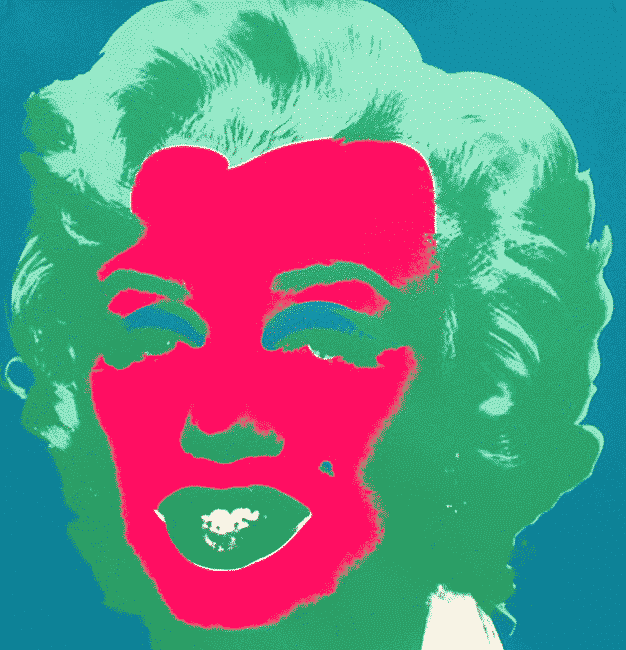
Marilyn Monroe (Fs.Ii 30)
by Andy Warhol
Year: 1967
Medium: Screen print
Size: 36 x 36 in (91.44 x 91.44 cm)
Crafted in 1967, this color screenprint on paper bears the hand-signed signature of Andy Warhol on the reverse side. It is numbered from an edition of 250, with a rubber stamp indicating its authenticity on the reverse. Additionally, there are 26 artist proofs lettered A-Z on the verso.
Few images are as synonymous with Pop Art as Andy Warhol’s Marilyn Monroe (FS II.30) (1967), a 36 × 36-inch colour screenprint on paper. Warhol transforms Monroe’s celebrity into a meditation on fame, desire, and mass culture. Hand-signed on the reverse and numbered from an edition of 250, with 26 lettered artist’s proofs and a rubber stamp, the work carries compelling authenticity signals and enduring collector appeal.
Marilyn Monroe (F. S. II.30) is one of Andy Warhol’s defining Pop Art portraits, created in 1967 from his celebrated Marilyn image. Warhol first used the publicity photograph shortly after Monroe’s death in 1962, transforming a Hollywood publicity still into a meditation on fame, beauty, mortality, and mass media. The bold color and repeated face turn Marilyn into both a person and a cultural icon.
There is no recognized street-graffiti version of F. S. II.30. Its visual power comes from Warhol’s screenprint process, repetition, and controlled color rather than the spontaneous language of street art. The work symbolizes celebrity culture, desire, glamour, and the uneasy cost of public fame.
For collectors, Warhol’s Marilyn works sit among the most sought-after images in postwar art. Rarity, edition, condition, signature, and provenance all influence demand. In my experience, Marilyn remains exceptionally effective in a collection because the image is instantly understood across generations.
Warhol did not simply portray Marilyn; he showed how fame can preserve an image while erasing the person behind it.
The work belongs to Warhol’s mature 1960s portrait practice, alongside his Elvis, Jackie Kennedy, and Mao imagery. For collectors seeking a recognizable, historically important Warhol, Marilyn Monroe (F. S. II.30) remains a compelling acquisition.
More Andy Warhol Works to Explore
Marilyn Monroe (Fs.Ii 30)
by Andy Warhol
Year: 1967
Medium: Screen print
Size: 36 x 36 in (91.44 x 91.44 cm)
Crafted in 1967, this color screenprint on paper bears the hand-signed signature of Andy Warhol on the reverse side. It is numbered from an edition of 250, with a rubber stamp indicating its authenticity on the reverse. Additionally, there are 26 artist proofs lettered A-Z on the verso.
Few images are as synonymous with Pop Art as Andy Warhol’s Marilyn Monroe (FS II.30) (1967), a 36 × 36-inch colour screenprint on paper. Warhol transforms Monroe’s celebrity into a meditation on fame, desire, and mass culture. Hand-signed on the reverse and numbered from an edition of 250, with 26 lettered artist’s proofs and a rubber stamp, the work carries compelling authenticity signals and enduring collector appeal.
Marilyn Monroe (F. S. II.30) is one of Andy Warhol’s defining Pop Art portraits, created in 1967 from his celebrated Marilyn image. Warhol first used the publicity photograph shortly after Monroe’s death in 1962, transforming a Hollywood publicity still into a meditation on fame, beauty, mortality, and mass media. The bold color and repeated face turn Marilyn into both a person and a cultural icon.
There is no recognized street-graffiti version of F. S. II.30. Its visual power comes from Warhol’s screenprint process, repetition, and controlled color rather than the spontaneous language of street art. The work symbolizes celebrity culture, desire, glamour, and the uneasy cost of public fame.
For collectors, Warhol’s Marilyn works sit among the most sought-after images in postwar art. Rarity, edition, condition, signature, and provenance all influence demand. In my experience, Marilyn remains exceptionally effective in a collection because the image is instantly understood across generations.
Warhol did not simply portray Marilyn; he showed how fame can preserve an image while erasing the person behind it.
The work belongs to Warhol’s mature 1960s portrait practice, alongside his Elvis, Jackie Kennedy, and Mao imagery. For collectors seeking a recognizable, historically important Warhol, Marilyn Monroe (F. S. II.30) remains a compelling acquisition.