Decoding RETNA’s Secret Script & Understanding His Art Language
Decoding RETNA’s art language
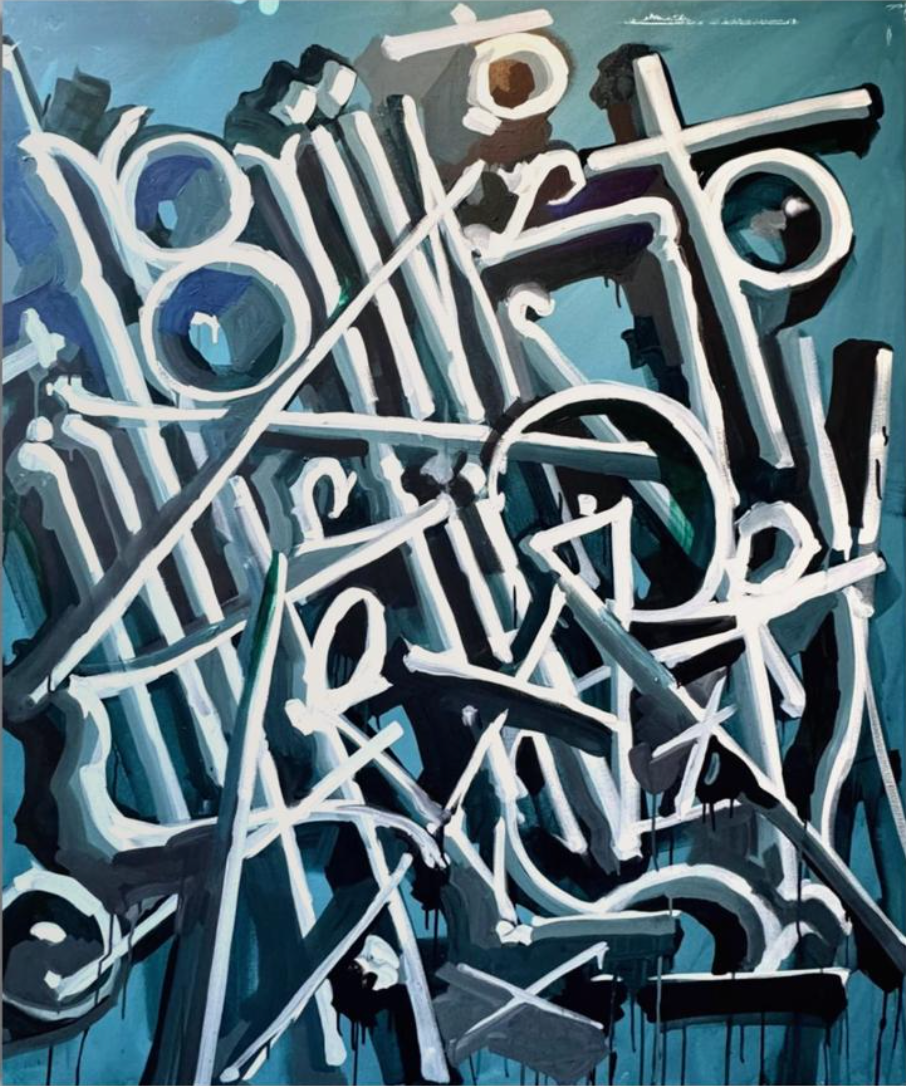
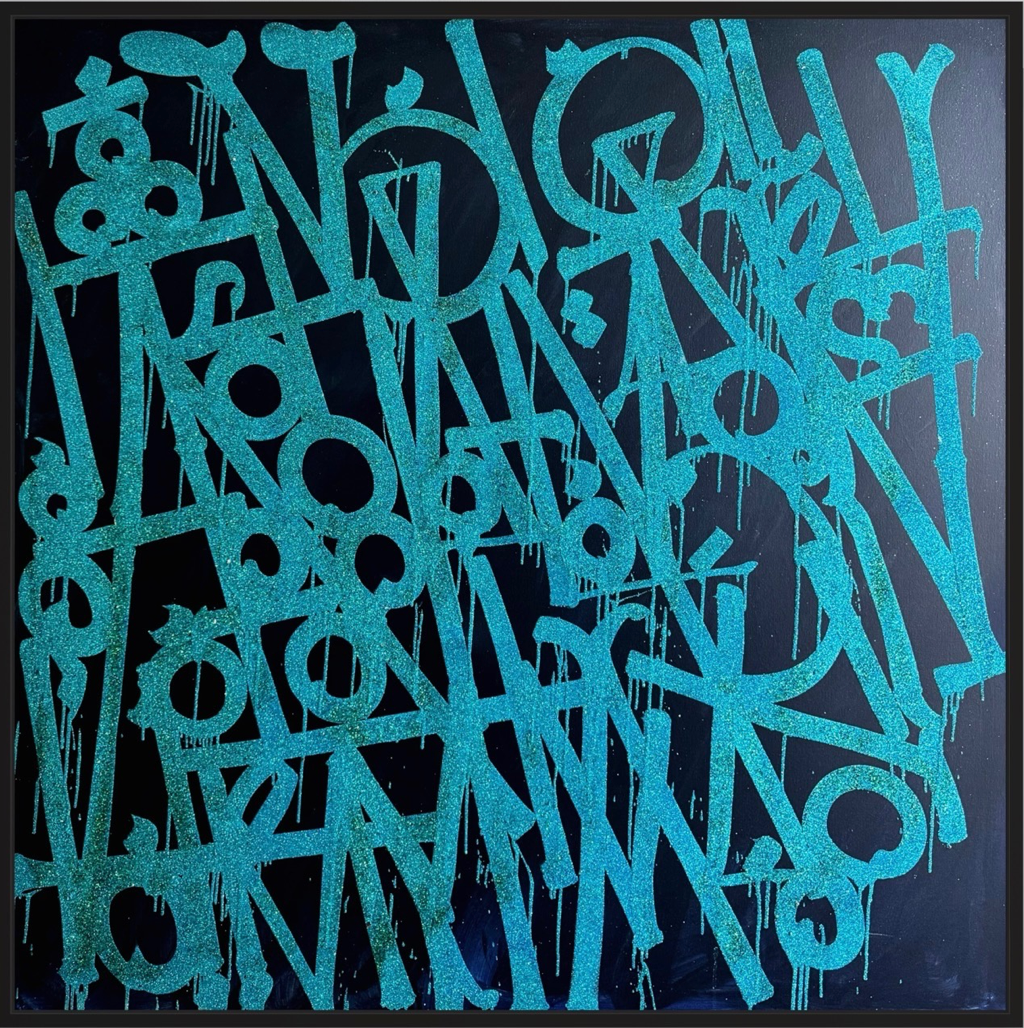
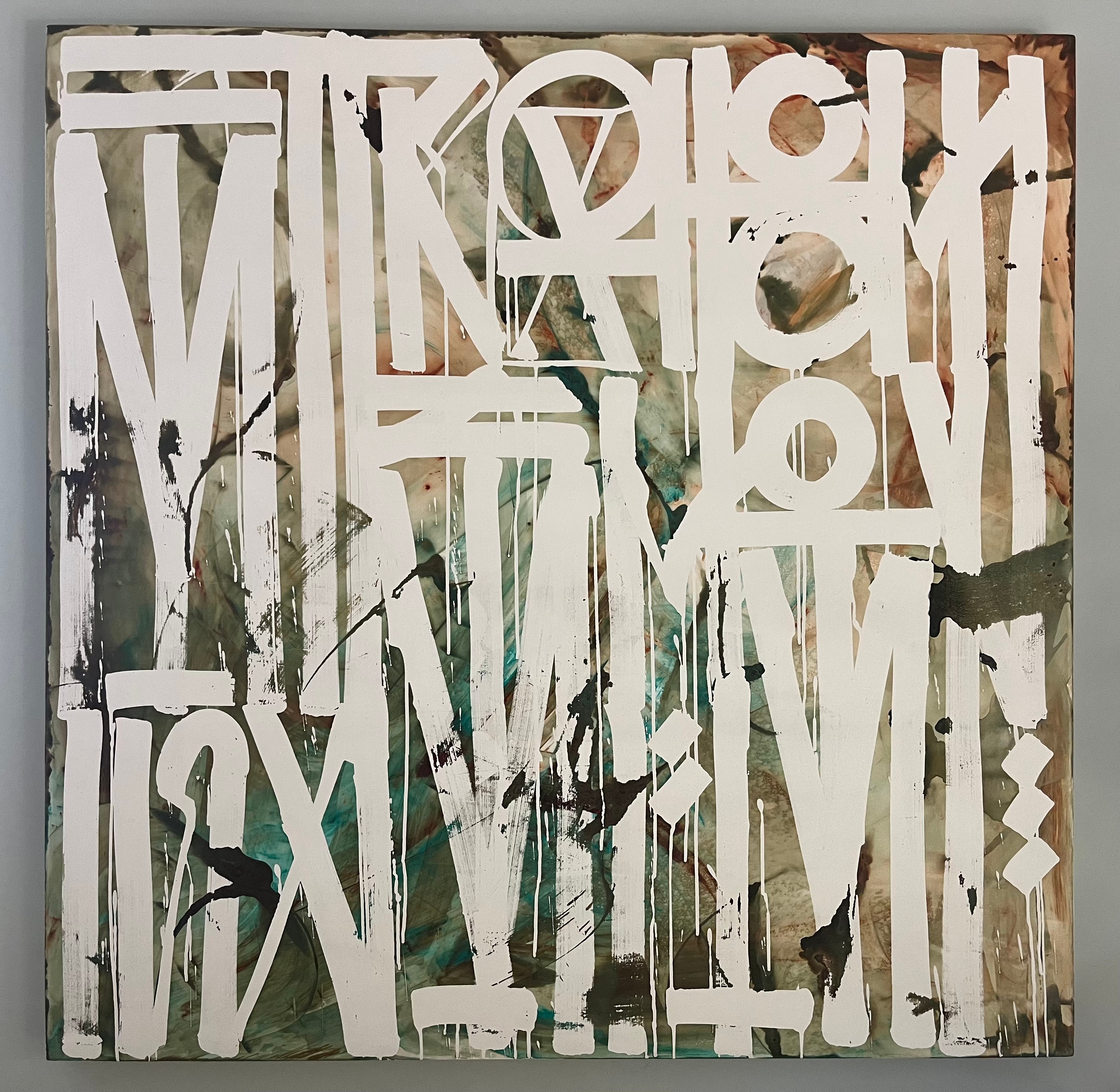
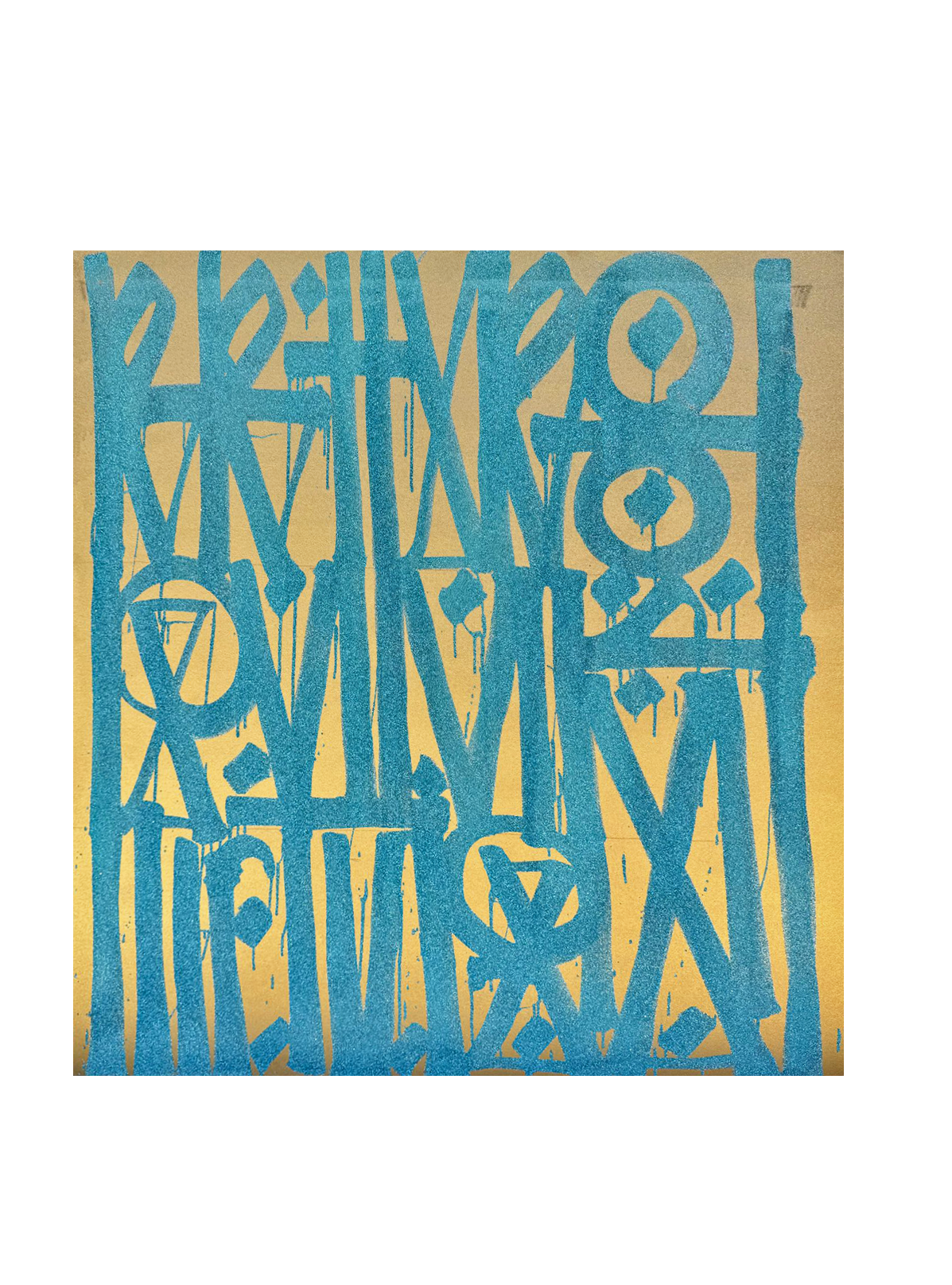
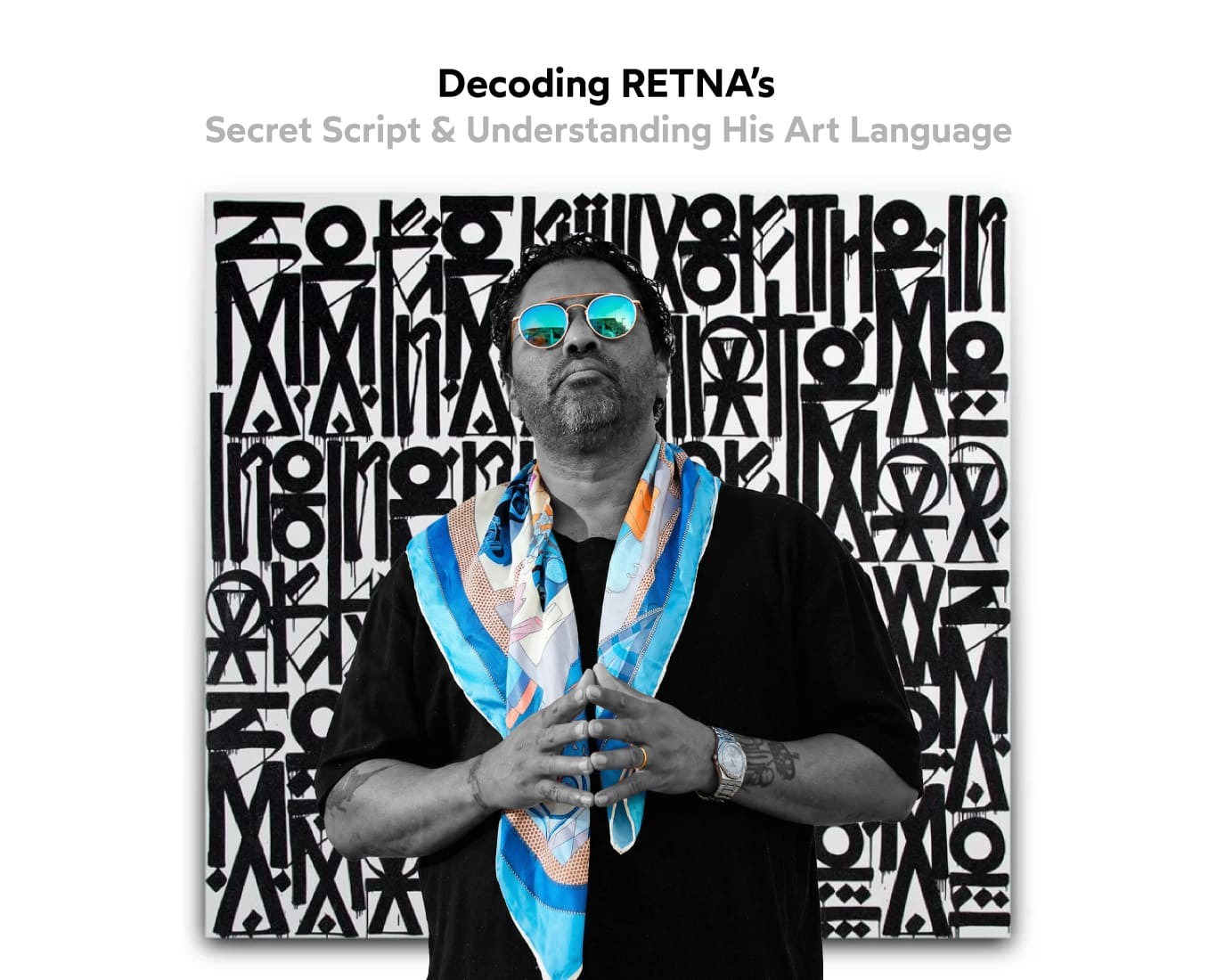
A RETNA canvas rarely reads like a conventional painting. It behaves more like a surface covered in inscriptions pulled from different centuries and geographies, compressed into a single visual field. Lines stack vertically, characters repeat with ritual precision, and drips fall in controlled descents. The eye searches for language and finds structure instead.
Over the past two decades, Marquis Lewis—known professionally as RETNA—has turned that tension into a signature. His script has moved from freight trains and alley walls to auction houses, luxury collaborations, and institutional projects without losing its internal discipline.
What looks decorative at first glance reveals a carefully constructed system with its own logic, history, and market trajectory.
Who Is RETNA? The Artist Behind the Script
RETNA, born Marquis Lewis in Los Angeles in 1979, emerged from the city’s graffiti scene during the 1990s. His early work developed within crews and street networks where technical lettering carried status.
Precision mattered. Control over line weight and spacing separated experienced writers from amateurs. That discipline later fed directly into the calligraphic system he would refine under the RETNA name.
Los Angeles provided a dense visual environment. Chicano placas, blackletter traditions, and West Coast tagging styles circulated across neighborhoods.
By his late teens, he had developed a reputation for unusually controlled lettering and large-scale pieces that favored vertical structure over loose tagging. Membership in the AWR (Art Works Rebels) crew reinforced technical expectations. Graffiti operated as competition and training ground at once.
The adoption of the name RETNA marked a conceptual pivot. The word references the retina—the surface that receives visual information. Lewis began thinking less about individual tags and more about how imagery imprints itself on perception.
The shift produced a new direction: a constructed alphabet assembled from historical scripts and personal inventions. Over time, that alphabet became the core of his studio practice.
Crossing Into the Mainstream
By the late 2000s, galleries began paying attention. The broader art world had already started reassessing street-derived practices. Murals in Los Angeles and New York expanded in scale. Exhibitions followed. Collaborations with fashion houses and private clients introduced his script to audiences far outside graffiti culture.
The San Francisco Opera commissioned stage design. VistaJet wrapped aircraft interiors in his glyphs. Louis Vuitton incorporated his lettering into limited projects. Each collaboration extended visibility while reinforcing the consistency of the script.
Through all of this, the physical process remained central. Large works still require long sessions of controlled brushwork. Paint viscosity and brush width determine how lines hold together over distance. Collectors cite that manual rigor as a key factor when evaluating his work. Even as the script circulates globally, its execution depends on sustained hand control.
What Does RETNA’s Art Mean?
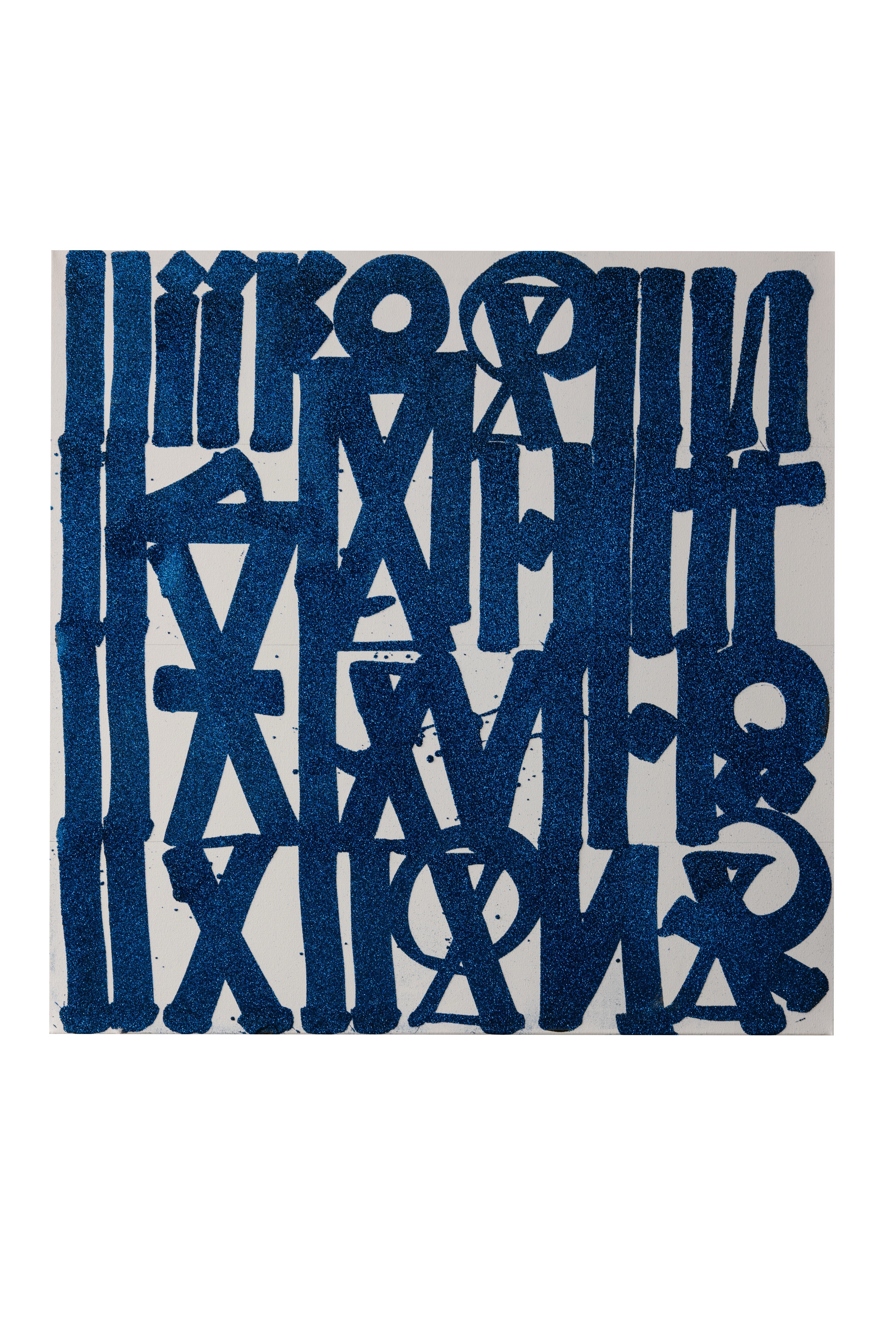
RETNA’s paintings operate as visual language systems containing words, quotations, and symbolic references, though full readability is rarely immediate. Meaning emerges through repetition, spacing, and rhythm, forcing viewers to read the surface as pattern first and text second.
The script draws on multiple historical sources, with Hebrew block lettering, Arabic calligraphy, Gothic blackletter, and pre-Columbian glyph systems leaving structural traces.
These influences appear as echoes, avoiding direct imitation. Vertical stacking suggests manuscript traditions while angular forms recall medieval script. Flowing connectors hint at Arabic ligatures, and modular glyph construction brings Mesoamerican writing to mind, creating a hybrid result that feels familiar across cultures without belonging to just one.
Some works contain specific phrases, with biblical passages and literary quotations appearing in murals and canvases, though translations surface only occasionally through collaborators. In many cases, the text remains partially obscured, presenting a field of signs whose cultural resonance persists without full translation. That balance between recognition and uncertainty drives sustained looking.
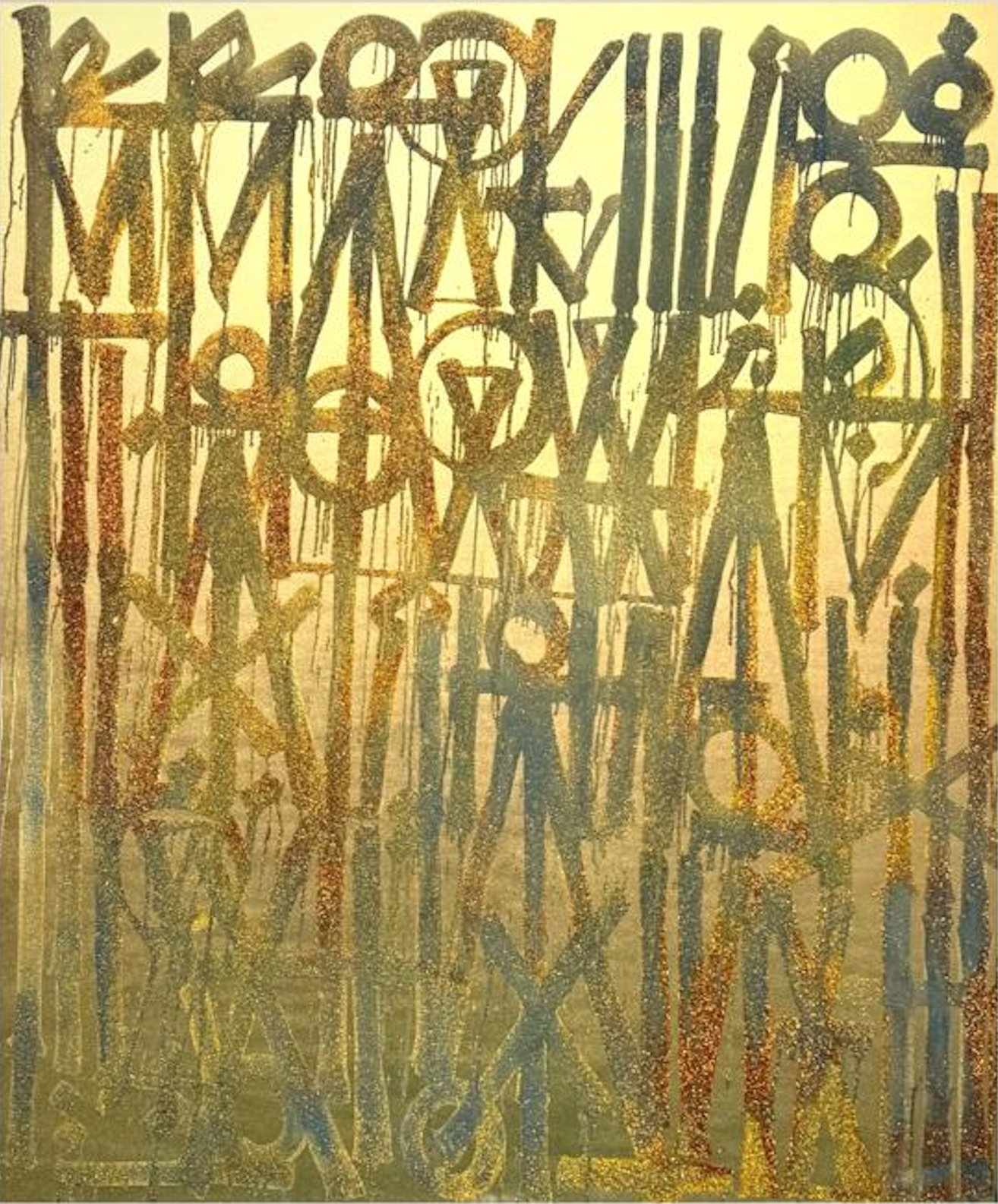
Collectors and curators prioritize the architecture of the lines, bypassing the need for a literal reading. The script’s repetition creates visual tempo as columns guide the eye downward and negative space forms secondary shapes between characters. Visual syntax, therefore, guides interpretation long before translation becomes possible.
The Secret Language of RETNA Explained
RETNA’s alphabet did not appear fully formed. It developed gradually through studio experimentation and mural work. Early iterations leaned heavily on blackletter geometry.
Later phases introduced more curvature and modular repetition. Then, certain glyphs stabilized and began appearing consistently across works.
Key structural influences include:
- Echoes of Blackletter: Many observers identify the aggressive verticality of European blackletter or medieval manuscripts in his lines. This influence appears in the sharp spacing and angular forms that lend the work an imposing, architectural authority.
- Rhythmic Fluidity: Some point to the sweeping connections that recall the elegance of Arabic calligraphy. These curved transitions counterbalance the rigid vertical structure, allowing the eye to move rhythmically across the canvas rather than stalling in a static grid.
- Modular Weight: Others note a distinct structure that resembles Hebrew letter systems. In these instances, each glyph sits within a defined space, functioning like a foundational brick to create a sense of stability and permanence.
- Ancient Stacking: The dense arrangement of symbols frequently brings to mind pre-Columbian or Egyptian glyphs. A stacking technique that transforms the text from a simple line into something resembling a sculptural relief or an ancient stela.
Ultimately, the artist fuses these diverse references to build a personal alphabet that —while feeling historically rooted— does not belong to any single tradition.
The script reads visually even when phonetic meaning remains concealed. Recurring glyphs guide the viewer toward thematic anchors within the composition.
RETNA has collaborated with artist El Mac on public murals in Los Angeles. In some of these works, the calligraphic text was designed to relate to the portrait and the surrounding environment.
Certain passages are known to contain structured written content, although complete translations are not always publicly documented. The presence of intentional text is clear even when the full wording remains undisclosed.
Elsewhere, quotations from writers such as Salman Rushdie have appeared embedded within dense calligraphic fields, proving the script carries specific content even when most viewers encounter it abstractly.
How to Decode RETNA’s Visual Script?
Approaching a RETNA painting as text may lead to frustration. Approaching it as structured image opens different pathways. Forensic visual cues decode the surface:
- Repetition Patterns: Recurring glyphs mark thematic emphasis or become structural anchors.
- Line Hierarchy: Thick vertical strokes define the columns and set boundaries within the composition.
- Negative Space: Gaps between characters form shapes that stabilize the overall field.
- Directional Drips: Controlled paint runs emphasize vertical movement and gravity.
- Column Alignment: Stacked characters echo manuscript and architectural layouts.
Slow looking reveals how the composition holds together. The viewer’s eye moves downward through columns, pauses at repeated forms, then shifts laterally across the surface. Over time, patterns emerge that suggest internal logic even without translation.
The West Hollywood Library mural offers a clear example of how the script operates at architectural scale. The surface suggests continuous writing arranged in vertical columns. Most visitors cannot read the text directly.
The composition instead creates the impression of a monumental manuscript page. The work communicates through structure and rhythm before literal translation becomes possible.
Key Characteristics of RETNA’s Art Style
RETNA’s style depends on disciplined calligraphy combined with the physical residue of graffiti. Precision and imperfection coexist. Lines appear sharp and measured, yet drips introduce gravity and time.
The style relies on specific forensic signatures:
- Columns organize the surface into readable fields.
- Central axes anchor large compositions, providing a spine for the text.
- Viscosity control creates vertical drips that connect the lines.
- Black, white, silver, or gold dominate the restrained palette.
- Rhythm emerges from dense glyph repetition across the surface.
- Murals and canvases demand monumental scale to fully impact the viewer.
Customized brushes play a major role, with wide, flat tips allowing for continuous strokes across large distances. However, consistent line width demands steady pressure and a precise paint mixture that balances flow and adhesion.
If the mix is too thin, lines break; if too thick, drips lose direction. Mastering that balance gives the sense of authority many viewers associate with the work.
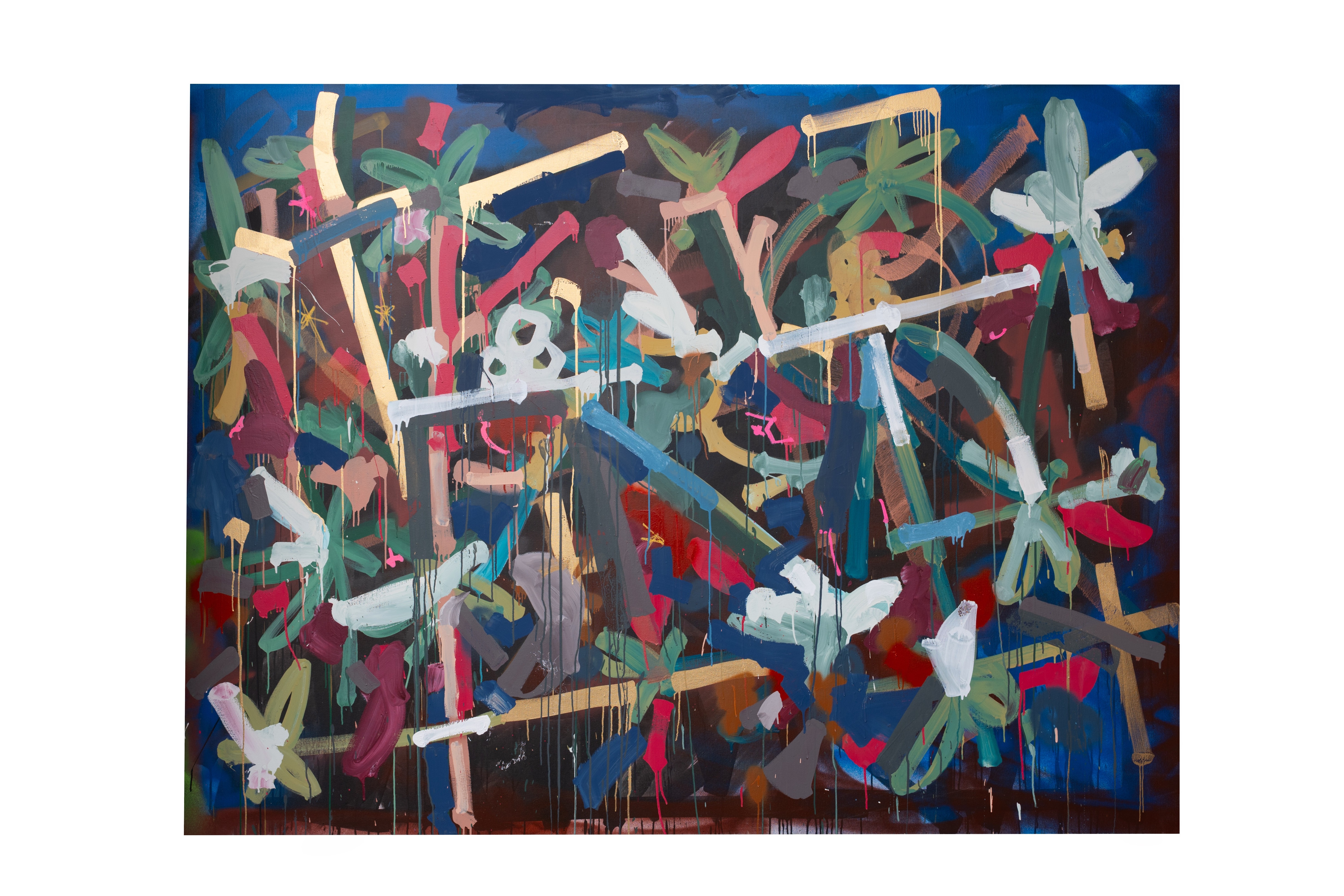
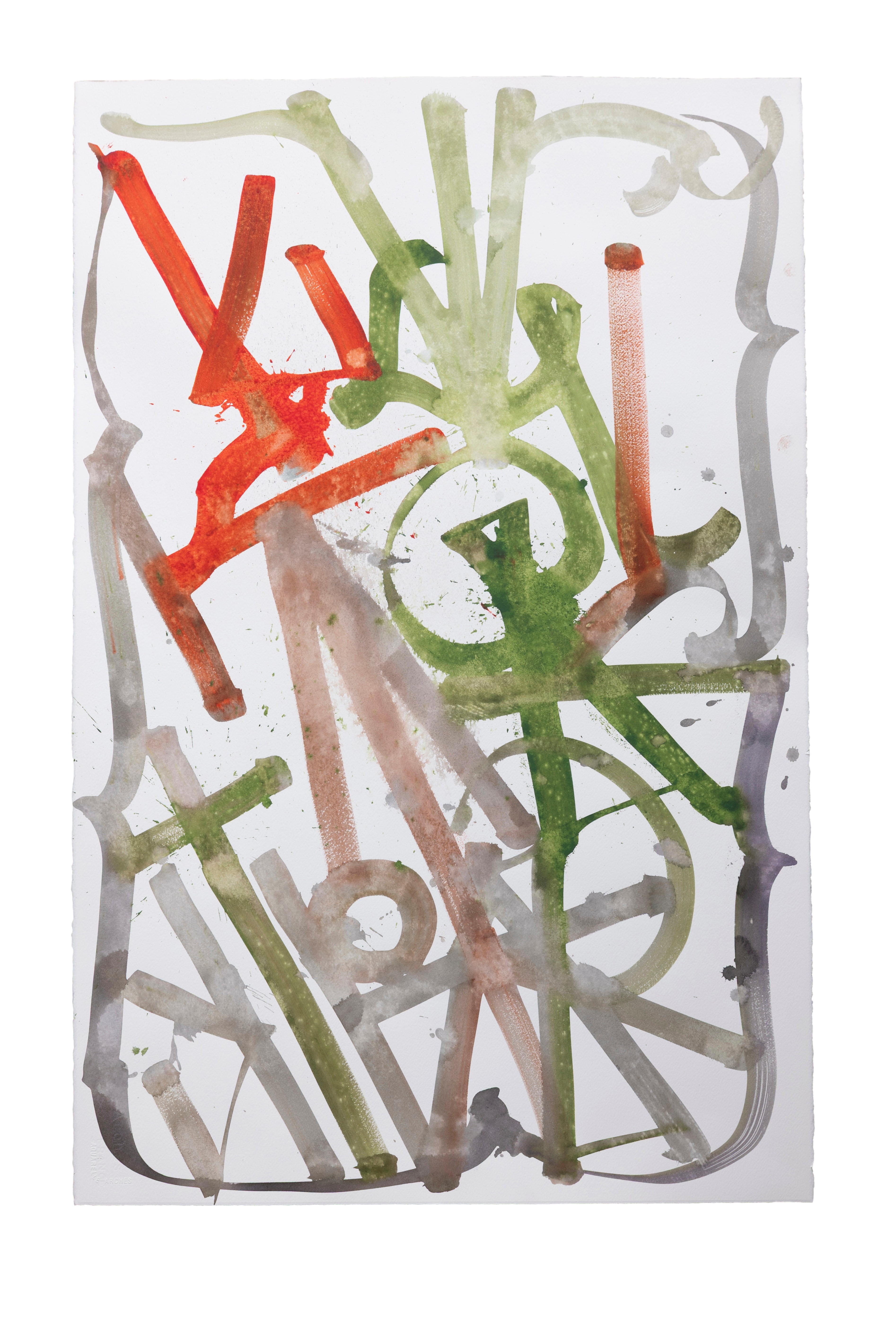
Color decisions remain deliberate. Monochrome compositions emphasize structure, while the occasional use of red or blue introduces symbolic weight without overwhelming the script. Such restraint ensures the palette keeps attention focused on the lettering system itself.
Spatial organization evokes tablets or scrolls, with characters stacking in columns that feel architectural. Borders sometimes frame the text to cement a sense of permanence, suggesting inscriptions that could exist on stone as easily as canvas.
Types of RETNA Art You Can Buy
RETNA’s market occupies a middle-to-upper tier within contemporary street-derived art. Prices vary widely by medium, scale, and date. Unique paintings command the highest values. Works on paper and prints provide entry points for newer collectors.
Auction appearances have become more consistent over the past decade. Major houses such as Phillips and Sotheby’s have offered large canvases and select works on paper.
Results fluctuate based on size and provenance. The early 2010s period, when gallery representation expanded and institutional attention increased, remains particularly sought after.
Valuation depends on five specific variables:
- Scale and Medium: Large canvases generally outperform smaller works.
- Date of Production: Early gallery-period works attract steady interest.
- Hand-Finishing: Visible brushwork and drips signal direct authorship.
- Provenance: Exhibition history and prior ownership influence value.
- Edition Size: For prints, smaller runs are more likely to hold value consistently.
While RETNA’s market has not experienced the sharp speculative spikes seen around some artists associated with street culture, his work has appeared consistently at auction over the past decade. Prices vary based on size, date, and provenance, leading many collectors to approach the work with a long-term perspective rather than short-term resale in mind.
Original RETNA Paintings and Murals
Unique canvases and painted panels occupy the top tier. These works feature layered paint, pronounced drips, and sustained manual execution. Prices for large canvases have often landed between $40,000 and $150,000 at auction, with some variation depending on scale and period.
Collector considerations:
- Full authorship and singularity.
- Strong visual presence in large spaces.
- Conservation requirements for heavy paint surfaces.
- Limited availability on the secondary market.
Murals rarely enter resale channels but contribute significantly to visibility and reputation. Institutional or architectural commissions anchor the demand for studio works.
Works on Paper by RETNA
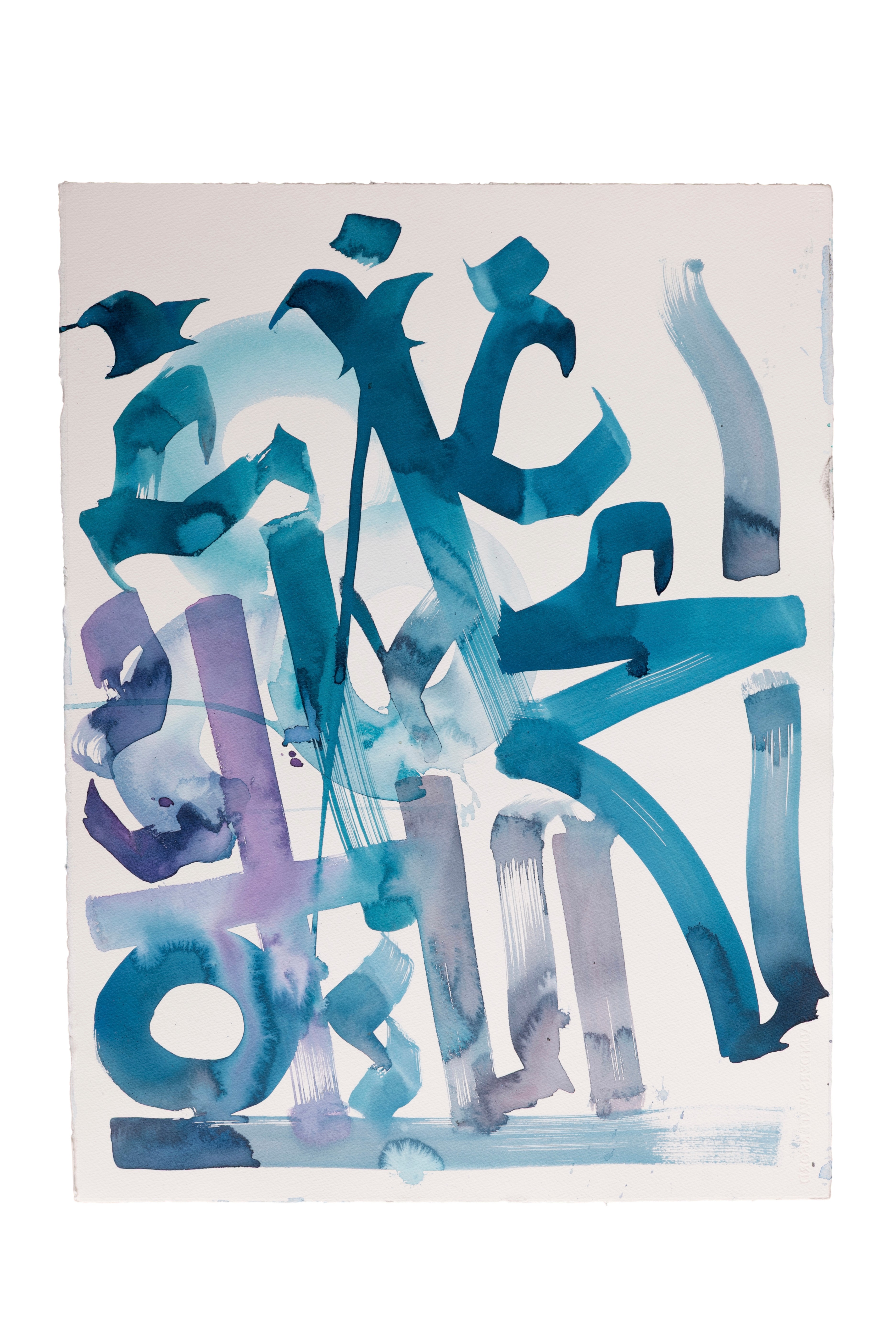
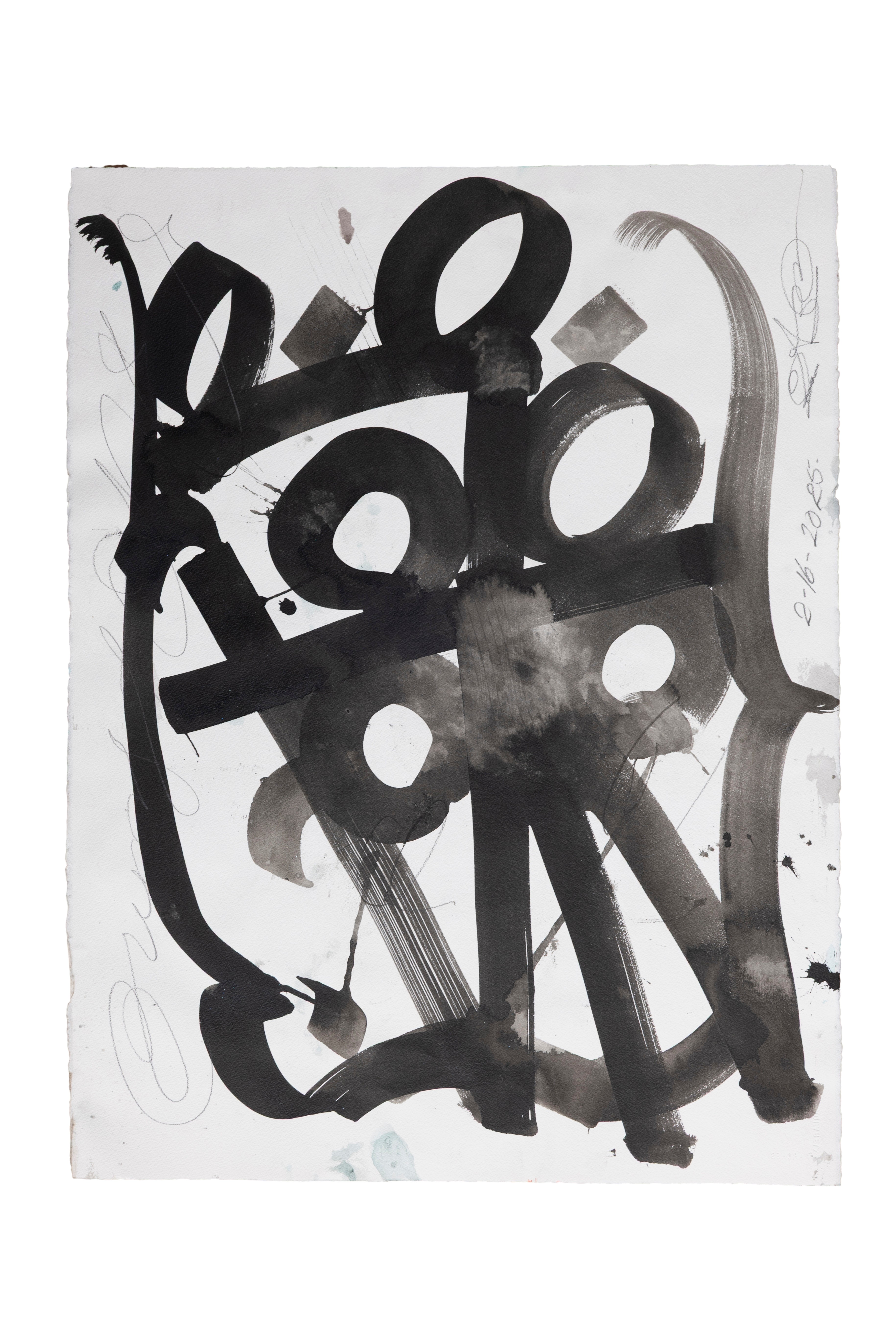
Works on paper provide access to original compositions at lower price levels. Ink and watercolor pieces tend to reveal more spontaneous gestures. Pricing depends on size, date, and provenance.
Advantages:
- Direct evidence of hand execution.
- Manageable scale for private collections.
- Lower acquisition cost than large canvases.
- Flexibility in display.
Challenges:
- Sensitivity to light and humidity.
- Need for archival framing.
- Greater vulnerability to environmental damage.
Limited Edition RETNA Prints
This is the most accessible segment. Most limited edition prints circulate through gallery releases and specialized print studios, making them a practical entry point for collectors looking to buy RETNA art. Edition size plays a major role in value, as smaller runs maintain scarcity while larger editions can saturate the market. Artist proofs typically command higher prices, and hand-finishing adds uniqueness through additional paint or detail. Signature also matters, since hand-signed works generally hold stronger resale potential. Overall, smaller, hand-finished variants tend to perform more steadily over time compared to large edition releases.
Choosing the Right Entry Point
Collectors approaching RETNA’s market weigh aesthetic interest against resale considerations. A measured strategy helps navigate both.
Suggested approach:
- Focus on works with clear provenance and documentation.
- Review auction histories for comparable pieces.
- Prioritize strong compositions over trend-driven images.
- Confirm archival materials for works on paper.
- Consider long-term display conditions.
Patience tends to reward buyers in this segment. The market moves with steady momentum, avoiding dramatic fluctuations. Acquiring works with strong visual presence and documented history ultimately proves more important than chasing rapid appreciation.
Why RETNA Captivates a New Generation of Collectors
RETNA’s script aligns with contemporary visual habits shaped by digital culture and global typography. Dense fields of symbols mirror environments saturated with coded information. Viewers accustomed to scanning interfaces and symbols respond to that visual complexity.
His presence across fashion, architecture, and music extends recognition beyond gallery audiences. Murals command the street as public landmarks while studio works circulate through fairs and exhibitions.
Simultaneously, collaborations introduce the script to broader design contexts, cultivating a collector base that spans traditional art buyers and younger audiences entering the market.
The fascination persists for a few clear reasons:
- A distinctive and immediately recognizable visual system.
- Cross-cultural references embedded in the script.
- Consistent mural presence in major cities.
- A stable, active secondary market.
- Strong alignment with contemporary design culture.
Contemporary art now embraces the collision of street habits and classical forms, a space where RETNA operates with absolute command. His script carries the density of a language system and the authority of sustained manual execution. For collectors and observers alike, the appeal lies in that combination of structure, history, and visual impact.
Frequently Asked Questions
What does RETNA’s script mean?
RETNA’s script is a visual language system built from influences like blackletter, calligraphy, and ancient glyphs. Some works contain real words or quotations, while others function primarily as visual structure rather than readable text.
Can RETNA’s writing be translated?
Certain pieces can be translated when the artist or collaborators reveal the wording, but most works are intentionally opaque and designed to be experienced visually rather than read literally.
What influences RETNA’s art style?
His script draws structural inspiration from historical lettering systems, graffiti culture, and global typography traditions, which he fuses into a personal alphabet.
Is RETNA considered a street artist or contemporary fine artist?
He is both. RETNA emerged from graffiti culture but now exhibits internationally, produces studio works, and collaborates with major institutions and brands.
Where can I see RETNA murals in public?
His murals appear in major cities worldwide, often on architectural facades and public buildings, where his vertical script can be viewed at monumental scale.
Start Your RETNA Collection
If you are looking to acquire a RETNA, ArtLife Gallery offers curated access to investment-grade canvases and works on paper. Connect with us today to explore our current selection.