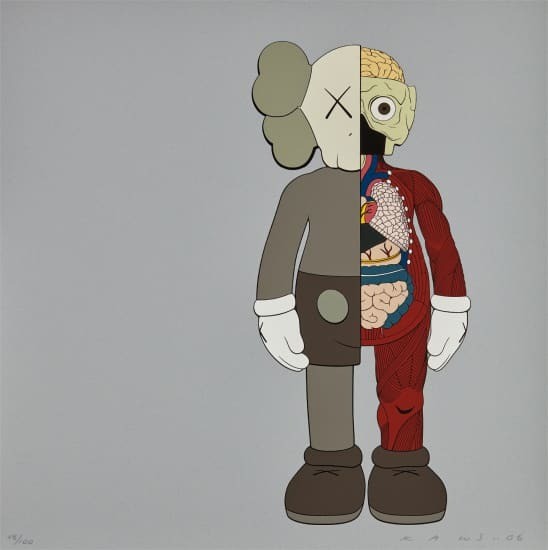
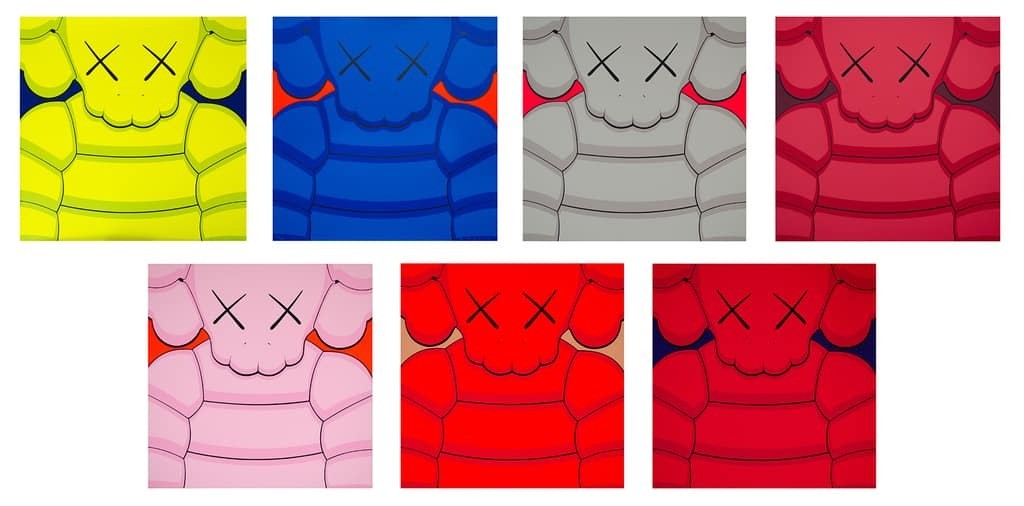
KAWS at the New York Botanical Garden in 2027 and What It Means for the Market
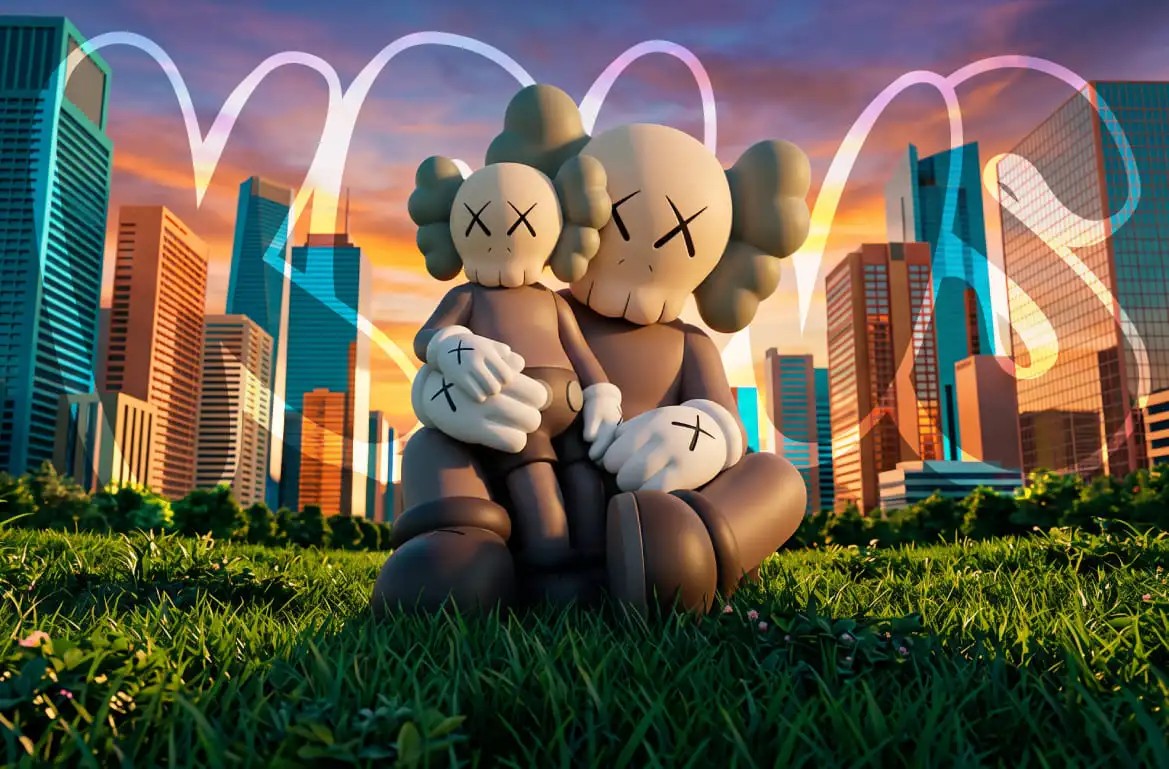
KAWS at the New York Botanical Garden in 2027
On May 22, 2027, more than two dozen KAWS sculptures go on view at the New York Botanical Garden in the Bronx. The season runs through October 24. The installation covers all 250 acres, and every piece goes outdoors.
The host institution is 135 years old, keeps 50 living collections, and has drawn record crowds with its exhibitions this decade. KAWS brings a separate kind of history. His outdoor projects have attracted audiences beyond any museum’s capacity, and his auction turnover peaked eight years before this opening.
What the Garden Has Confirmed
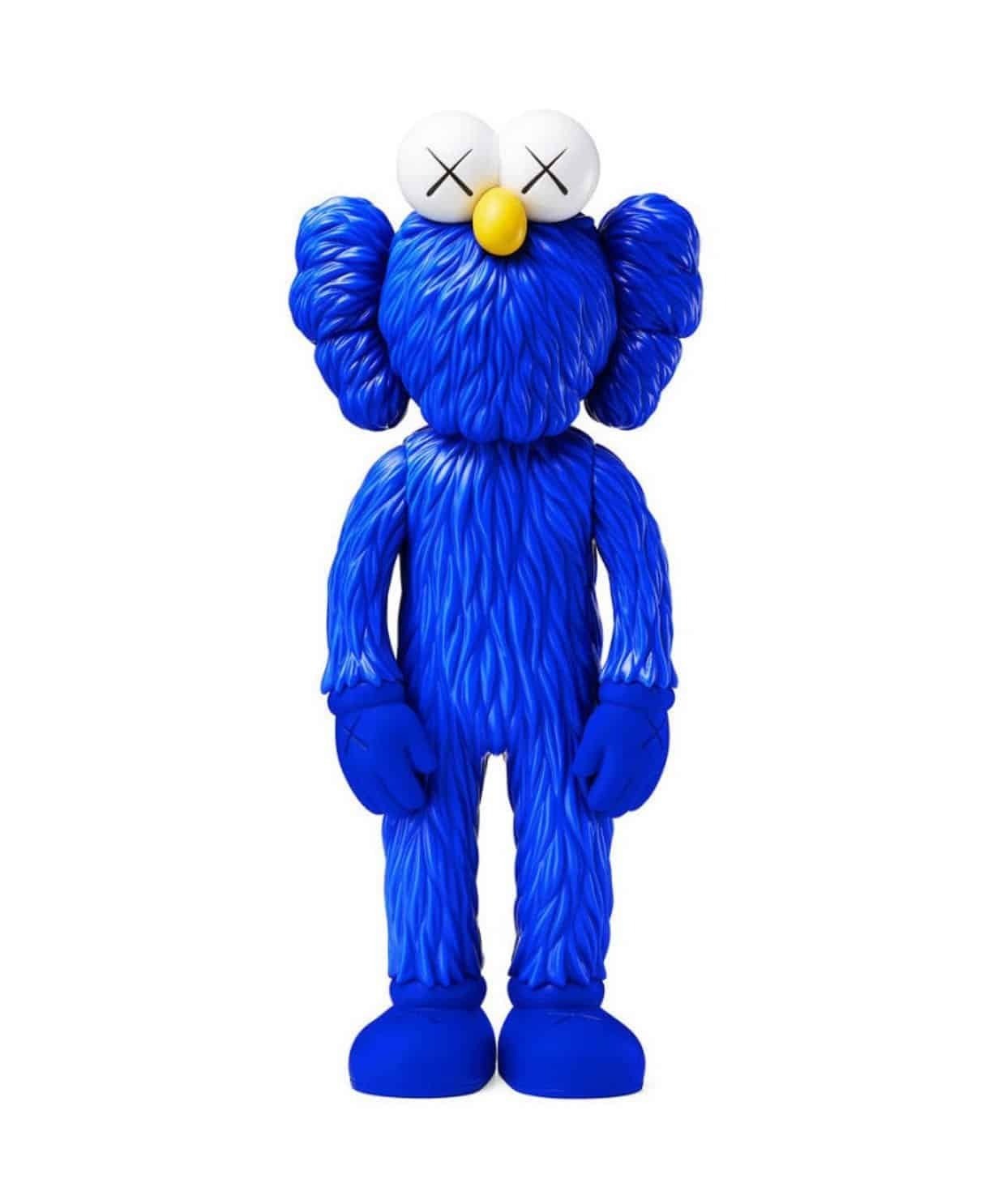
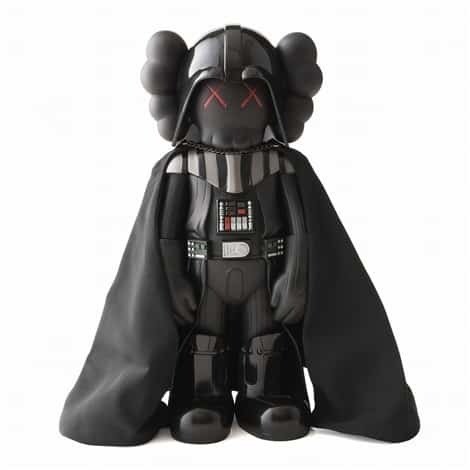
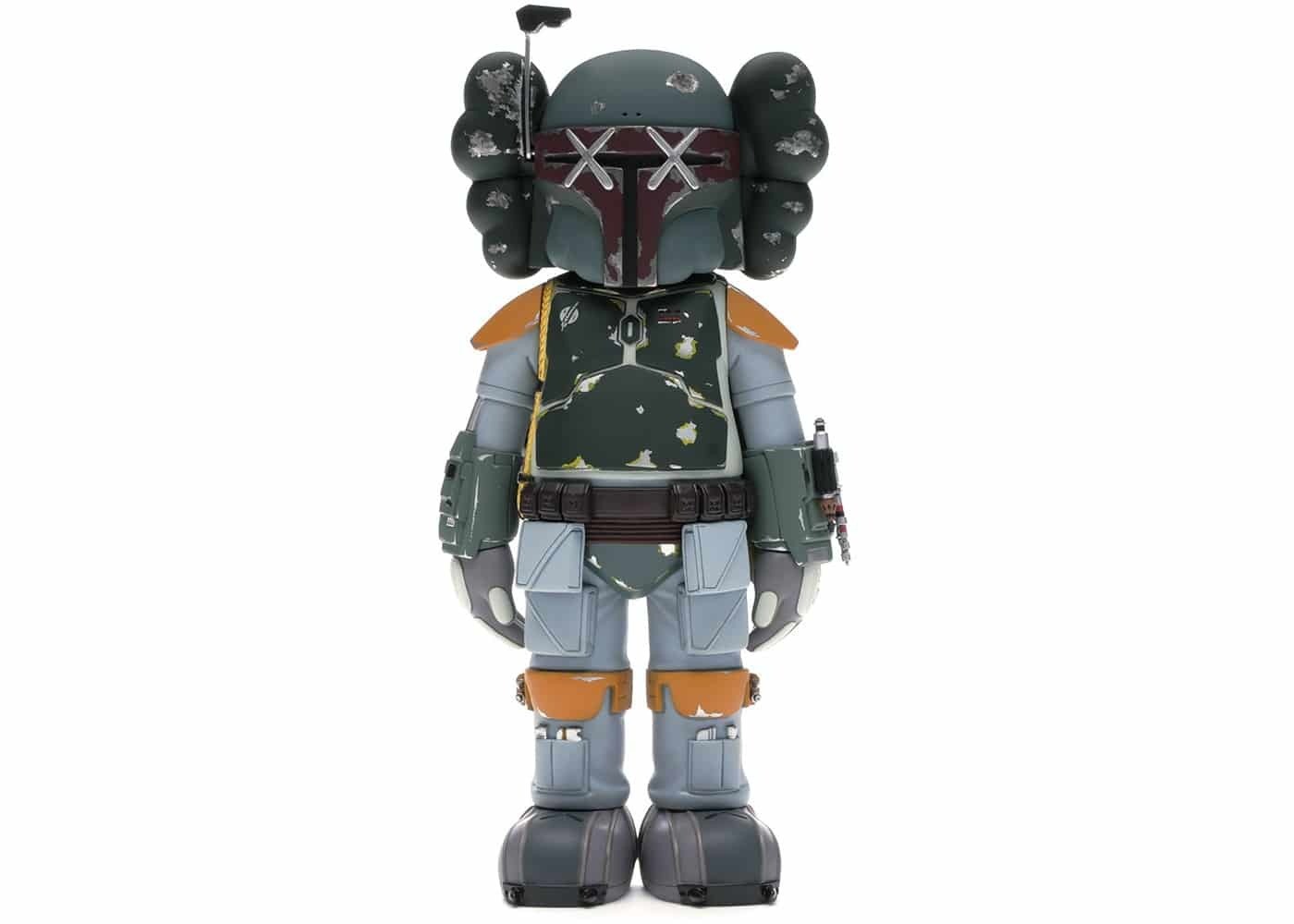
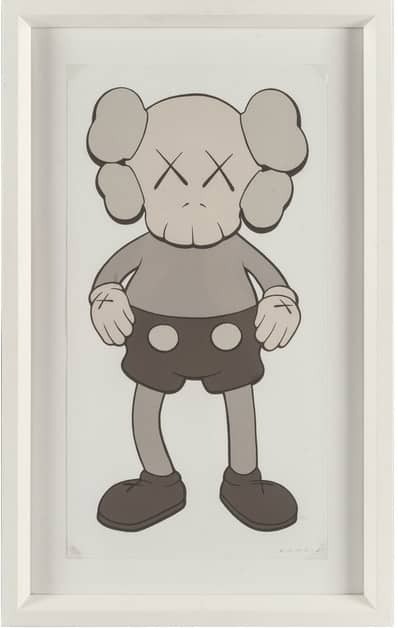
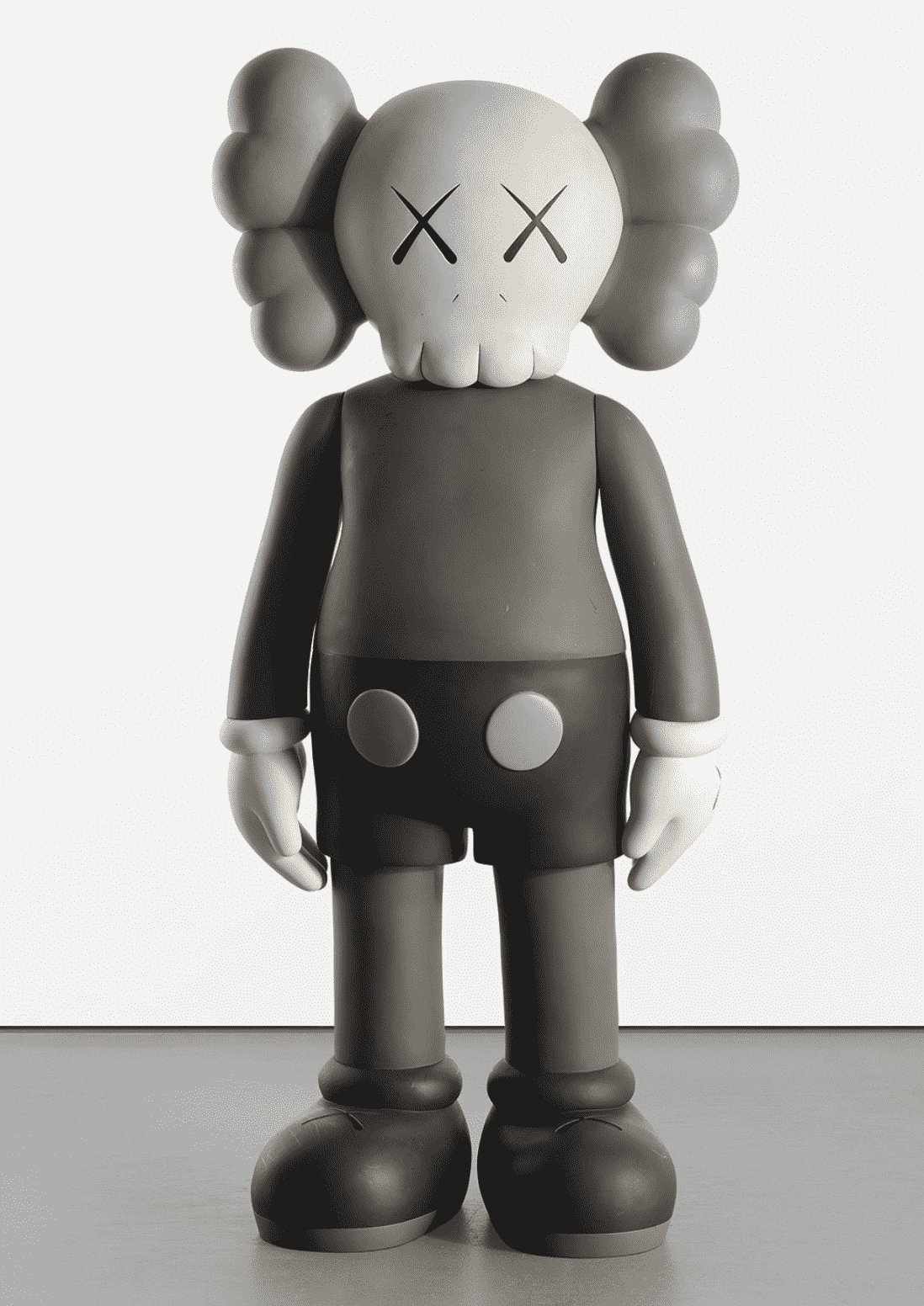
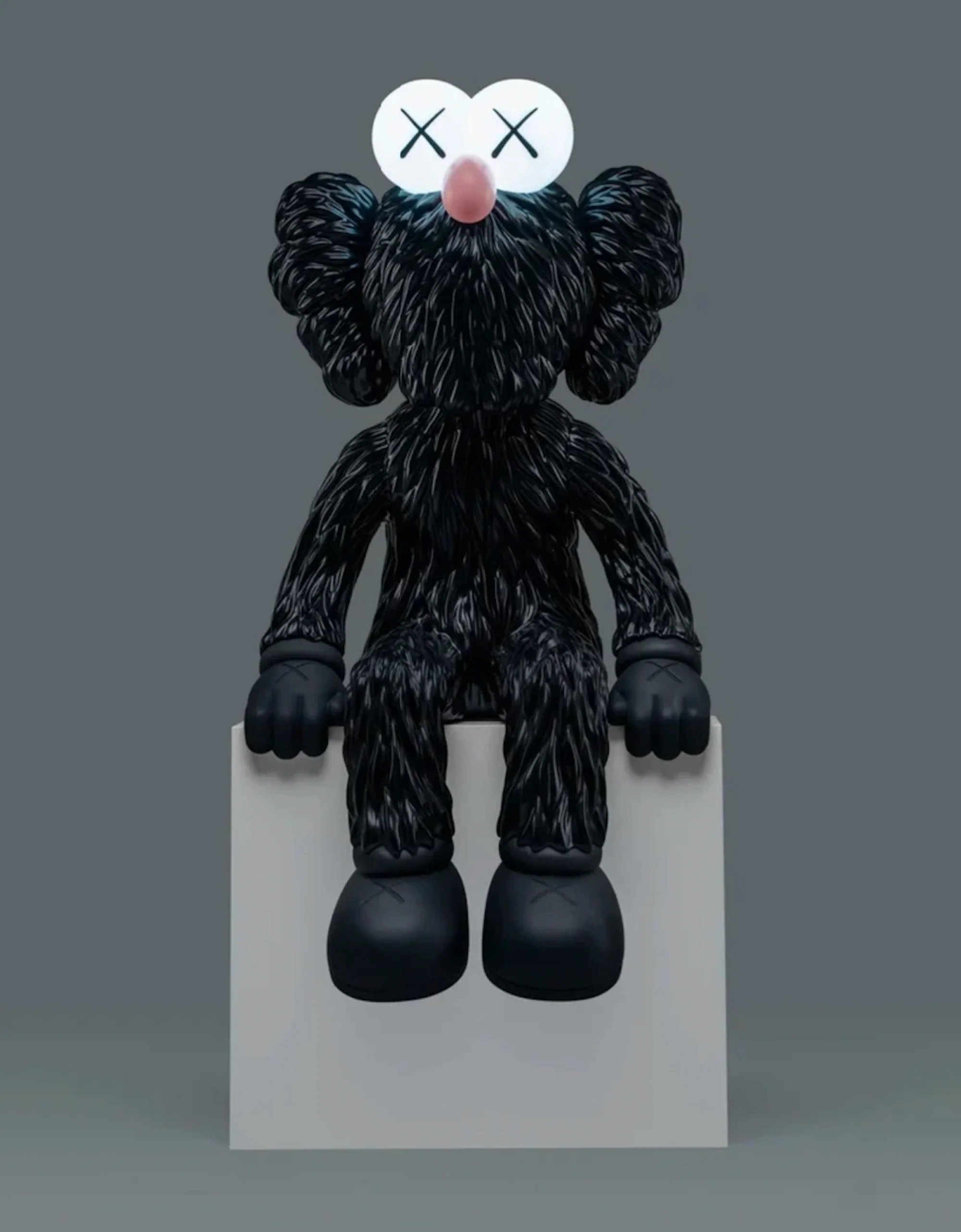
Newly commissioned works will appear alongside pieces that have never traveled to North America. The Garden has published no checklist, so nobody beyond the planning team knows which of KAWS’s recurring characters will populate the grounds.
NYBG calls the project the largest scale presentation of the artist’s work to date and one of the most ambitious exhibitions in its history.
In the Garden’s words, the show “Blurs the boundaries between contemporary art and the Garden’s living collections.” Jennifer Bernstein, chief executive and William C. Steere Sr. President since 2021, tied the lineup to “Our long history of collaborating with leading contemporary artists to present thought-provoking and visually dynamic experiences in the spectacular setting of our historic landscape and living collections.”
Bloomberg Philanthropies has signed on as presenting sponsor, and Bloomberg Connects will supply the digital experience. Both details appeared for the first time in the announcement of July 14, 2026, ten months before opening day. Funders at that level normally commit after budgets, timelines, and reviews are settled.
Tickets have no sale date. An alerts list is live on the exhibition page, and you can sign up to be told the moment sales open. The Garden has announced no curator.
Eighteen Museums and 20 Million Visitors
KAWS is Brian Donnelly, born in Jersey City in 1974 and based in Brooklyn. NYBG’s own artist biography lists eighteen solo exhibitions at major institutions on four continents since 2010. SFMOMA and Crystal Bridges both presented him in 2025. The Brooklyn Museum and the Serpentine came earlier, and the Modern Art Museum of Fort Worth dates to 2016. Right now the Albertina Modern in Vienna has him on view through September 27, 2026, alongside Basquiat, Haring, and Peter Saul.
In 2018 Donnelly launched HOLIDAY, a touring series of monumental figures produced with the creative studio AllRightsReserved. Most stops have gone up on public ground, outside any museum. In 2023 a pink Accomplice close to 150 feet long lay beside the Prambanan temples in Indonesia. Bangkok received a 59-foot Companion, positioned on a globe and holding the moon, in May 2025. Six months later a 36-foot inflatable went up on the SFMOMA roof, the fourteenth iteration of the project. A 105-foot version opened a two-month run at Manar Abu Dhabi that closed in January 2026.
SFMOMA puts cumulative attendance for the tour at more than 20 million visitors. No exhibition inside a building comes close. The Bronx season commits an institution’s own landscape to work at that scale for five months.
Avery Andon, chief executive of ArtLife Gallery, keeps the two apart. “A museum show and a public spectacle do completely different work for an artist. HOLIDAY has built more recognition than any indoor exhibition could. Institutional endorsement answers a different question. It means a board, a curatorial staff, and a review process have accepted the work as worth their reputation. The Botanical Garden is committing exactly that in 2027. It’s a 135-year-old scientific institution telling its members and its funders that these sculptures deserve a full season on its grounds. What I expect from 2027 is a much wider audience, and a set of images people will remember for years. Buyers price that kind of commitment long before opening day.”
The Garden Has Run This Experiment Before
NYBG has produced a contemporary art season nearly every year for a decade. Chihuly began the sequence in 2017, Georgia O’Keeffe followed in 2018, and Roberto Burle Marx arrived in 2019. Ebony G. Patterson took 2023, and Van Gogh’s Flowers set opening-weekend highs in 2025. The attendance record still belongs to Frida Kahlo in 2015, whose show drew more than half a million visitors. NYBG has announced no higher total since.
The 2021 season matters most for anyone weighing the KAWS booking. KUSAMA: Cosmic Nature allotted the full 250 acres to a blue-chip contemporary artist for a comparable stretch of months, with sculpture placed among the living collections. The 2027 plan repeats that format.
The Garden’s overview of that season describes outdoor installations across the grounds for an entire growing cycle. Enough time has passed since then to examine what followed for her market. Her price history makes the precedent useful.
Artprice reviewed 2025 in its April 2026 report on the Artprice100 index. Kusama holds 2.8 percent of that benchmark, and her prices fell 15 percent in a year when it climbed 11.2 percent to its highest level on record, recovering the 8.3 percent lost in 2024. The Garden gave her a full season in 2021, and bidders paid less for her work in 2025. On this evidence, attendance and auction demand move independently.
“The Kusama season is the cleanest comparison available,” said Nico Hayes, ArtLife’s senior director, “because the Garden used the same formula. Same acreage, a similar calendar, an artist of equal standing. It clearly worked as programming, since the institution booked KAWS on nearly identical terms. Her market went its own way regardless. To me that is a caution about what an exhibition can and can’t do for a price level. A garden season introduces an artist to hundreds of thousands of people who would never enter an auction room. Almost none of them bid. Supply, estates, and collector taste decide prices, and none of those things depends on how many people walked through a garden.”
Where the Museum Record and the Auction Record Split
The split dates to 2019. Auction turnover for KAWS peaked that year and has stayed lower ever since, a trajectory documented in our guide to his prices and auction records. Institutional demand moved the other way, with SFMOMA, Crystal Bridges, the Warhol Museum, and the Parrish all mounting solos across 2024 and 2025.
Volume has held while top prices have fallen. Artprice ranks him 24th among contemporary artists by auction turnover for the twelve months to June 2025, on 993 lots sold for a combined $9.57 million. Another 213 failed to find a buyer. The best single result across that whole year was $996,111. The KAWS Album, his 2005 Simpsons version of the Sgt. Pepper cover, took $14.8 million at Sotheby’s Hong Kong in April 2019, against a high estimate of $1 million.
The Artprice100 measures the hundred top-selling artists of every period. Its leading weights remain Picasso at 7.9 percent, Warhol at 5.1, Monet at 4.8, and Basquiat at 4.2. KAWS appears 81st on that list, at 0.3 percent.
Two interpretations fit the same facts. Either the museum record eventually attracts new bidders to the salesroom, or prices keep to their own course regardless of curatorial approval. Eighteen endorsements guarantee neither outcome.
“Museums and the auction room have disagreed about this artist since 2019, and that’s rare at his level of visibility,” Andon argued. “Institutions kept committing. Eighteen solos since 2010, two major American museums in 2025 alone, and now the biggest outdoor project of his career. Turnover peaked in 2019 and hasn’t recovered. When curators and bidders part ways, the pattern says either the curators are early or the bidders are right, and you won’t know which until the next cycle. The Garden season is a test of that question at the largest scale anyone has attempted with his work.”
What Nine Months of Notice Gives a Buyer
Nine months remain before opening day. The calendar between now and then holds few fixed dates, though a checklist must surface eventually and ticket sales will follow the alerts list. Collecting formats and entry prices are in our KAWS investment guide, so the question here is timing.
The Orchid Show, designed by Andy Cao and Xavier Perrot, runs in the Haupt Conservatory from February 6 and closes April 25, 2027, which leaves four weeks before KAWS opens. The Garden has already booked PLAY! with Cj Hendry for summer 2028, so the commitment to this format runs beyond one artist. Announcements between now and spring will come from the institution alone, since no catalogue, artwork list, or critical response exists yet.
For Hayes, the empty stretch ahead is the useful part. “Nine months is generous notice for a season of this size, and it changes how a buyer plans. The checklist hasn’t appeared, the curator remains unnamed, and tickets carry no date, so most of the information that will move sentiment is still ahead of us. For a collector, that gap is the whole opportunity. Attention builds on the announcement, again on the critics, and again on the attendance coverage, and each round prices in a little more,” he added. “Once the Garden’s marketing begins next spring, you’ll be competing with everyone who reads the same reviews.”
The Plan Between May and October
Two facts will be in place on May 22, 2027. An institution that has classified plants since 1891 will have committed its landscape, its sponsors, and a full public season to an artist who came up through graffiti and toy production. The peak year of his auction turnover will still be 2019. Five months in the Bronx will test whether that second fact can change, and no chart published before October 2027 can answer the question in advance.
Andon puts both records side by side. “The Garden has scheduled the most ambitious institutional presentation of this artist’s career, and the salesroom has not yet reacted. Both statements can stay true until the gates open. Seasons of this scale settle arguments slowly, and the autumn 2027 auctions will answer this one.”
The checklist, the ticket release, and the first reviews all arrive before the sales that follow. “Nine months of work remain for anyone who wants a position before then. Read the checklist when it appears, price the formats you care about, and decide what a season like this is worth to you. We’d tell any serious buyer what we tell ourselves. The preparation happens now, and the numbers arrive later.”
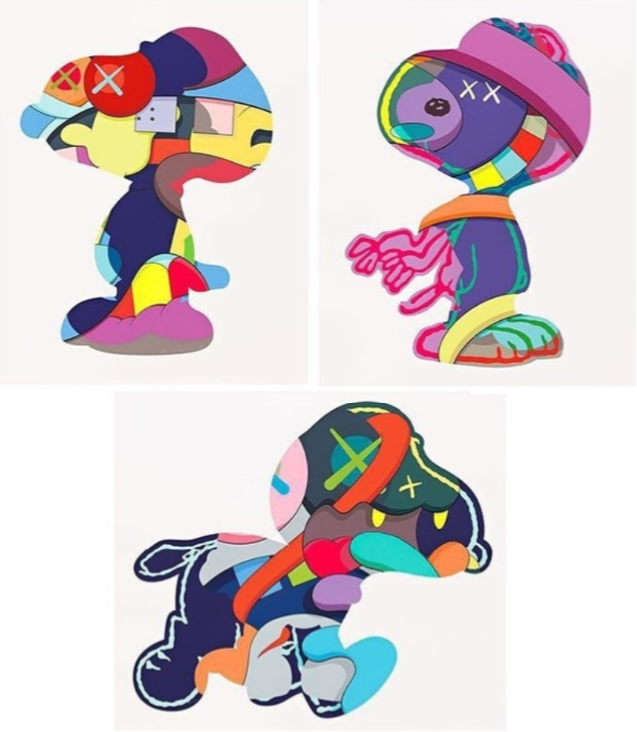
Looking to Buy a KAWS Figures or Screenprints?
We source investment-grade KAWS prints and figures that build real portfolio value. Contact ArtLife today to access our private inventory and acquire your next asset.