What Is Superflat? Understanding Takashi Murakami’s Art Movement
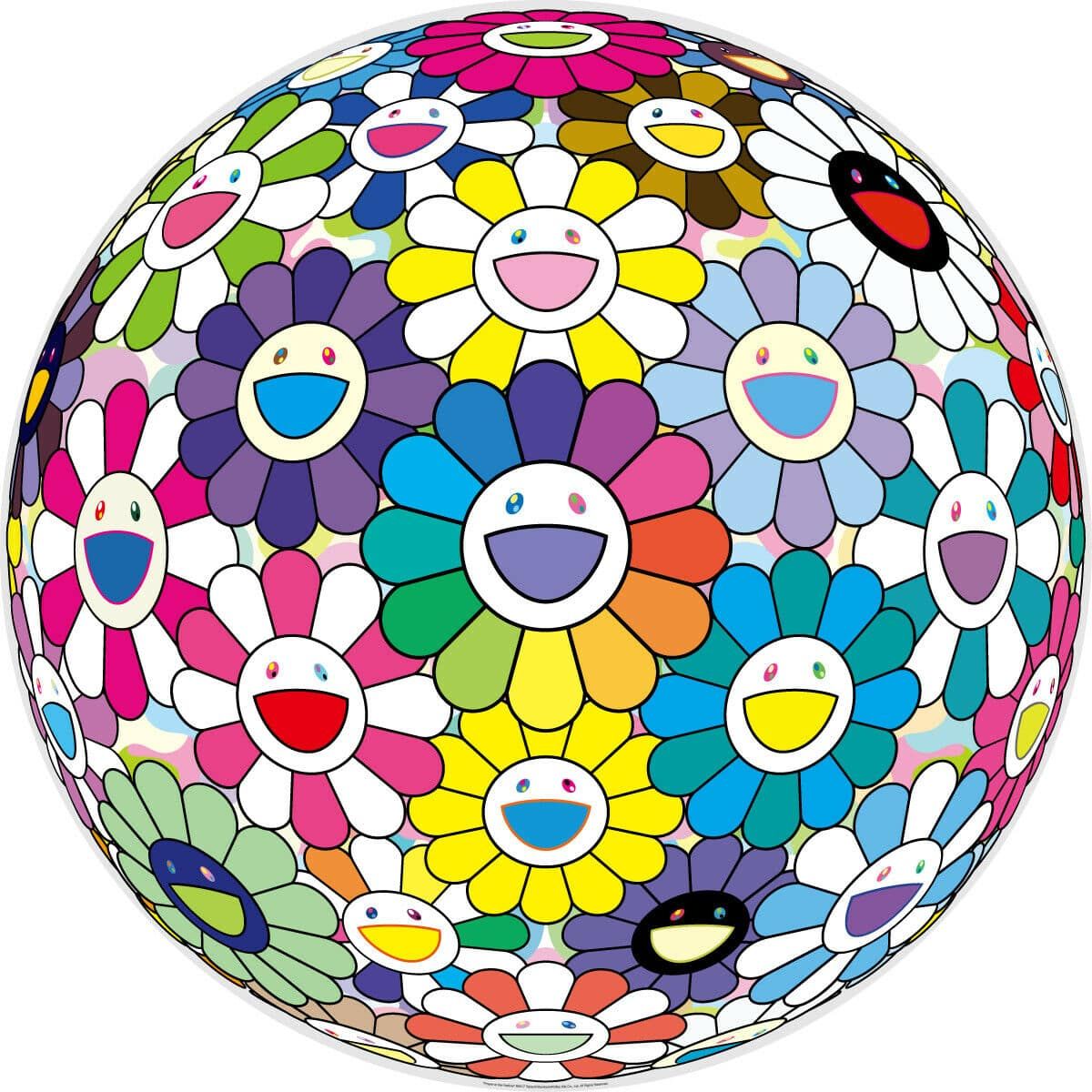
Murakami’s superflat art
Key Takeaways on Takashi Murakami & Superflat
- Superflat Founder: Blends Japan’s flat art traditions with pop culture, manga, anime, and otaku subculture.
- Style & Themes: Bold outlines, flat colors, critiques consumerism, kawaii culture, and blurred high/low art.
- Notable Motifs: Kawaii flowers (Gargantua on Your Palm), satirical mascot Mr. DOB.
- Influence: Inspired artists like Yoshitomo Nara, Chiho Aoshima, Aya Takano; sparked SoFlo Superflat.
- Art-Commerce Fusion: Turned art into merchandise, partnered with Louis Vuitton, designed Kanye West’s Graduation cover.
What Does Superflat Mean?
Superflat is based on Japan’s long history of ‘flat’ art and is influenced by the 2D images seen in manga and anime, both of which are salient to the country’s culture and entertainment. It’s also inspired by the larger otaku subculture, which in Japan refers to people obsessed with aspects of pop culture, especially manga and anime.
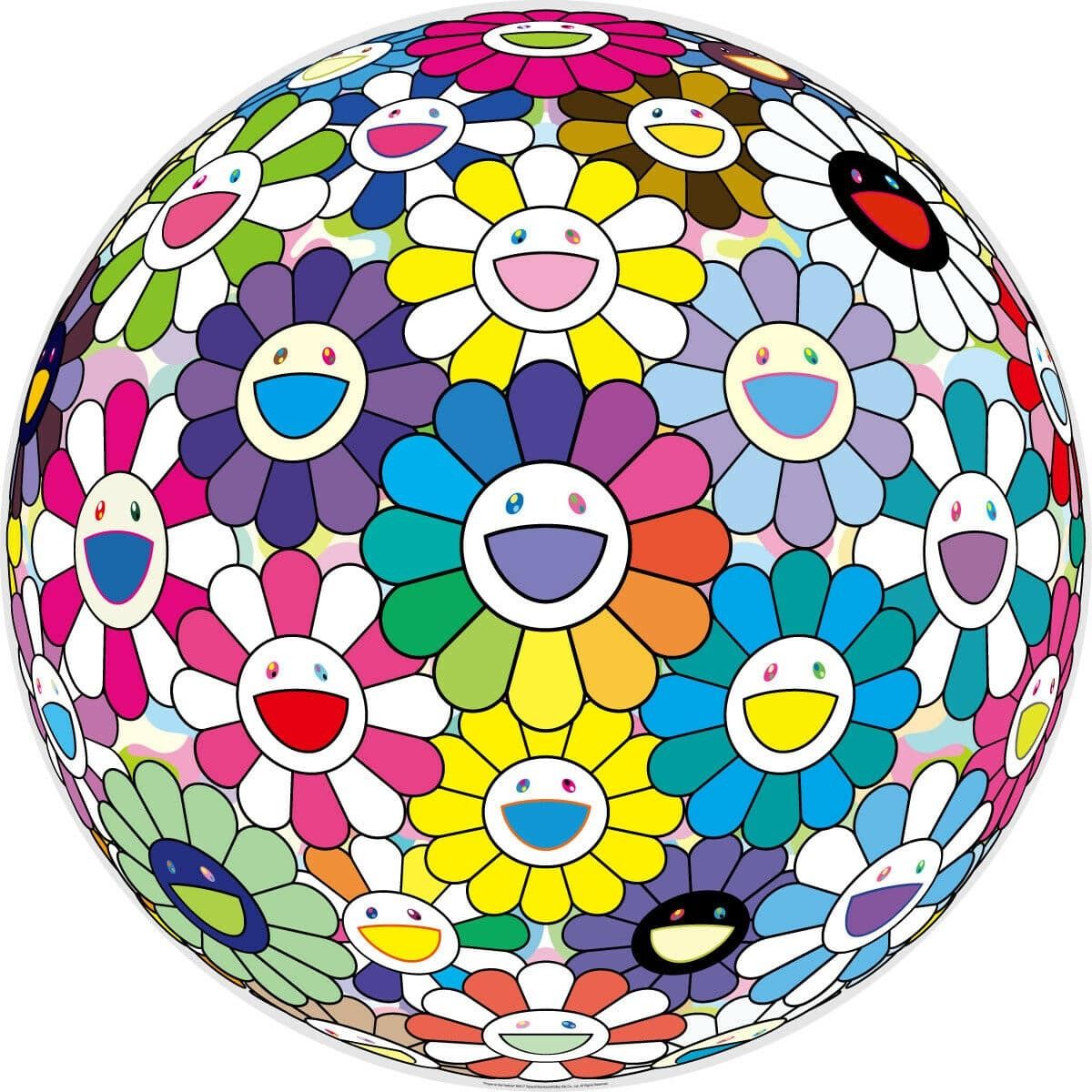
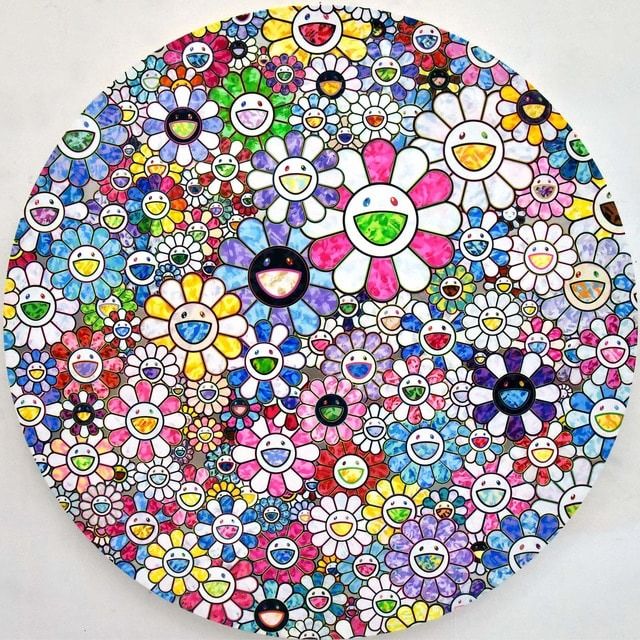
Key characteristics of Superflat art include bold cartoony outlines and flat planes of color, with virtually no elements of natural perspective or depth. Murakami’s Celestial Flowers is a clear example of this. Paintings and sculptures are the most common Superflat art forms, but the movement has also influenced fashion, design and other creative mediums.
How Does Superflat Reflect Its Japanese Roots?
Murakami curated and debuted his Superflat exhibition in 2000 that went on to tour West Hollywood, Minneapolis and Seattle.
In the exhibition catalogue, he wrote: “Initially, ‘Superflat’ was a keyword I used to explain my work. Once I started using it, though, I found that it was applicable to a number of concepts that I had previously been unable to comprehend, including ‘What is free expression?’ ‘What is Japan?’ and ‘What is the nature of this period I live in?’”
As well as referring to the ‘flatness’ of Japanese artistic traditions like manga, anime and ukiyo-e (Japanese woodblock prints and paintings), Murakami also uses this term to encapsulate what he sees as the shallow Japanese consumer culture post-World War II.
“World War II was always my theme,” he said in a 2014 interview with The New York Times. “I was always thinking about how the culture reinvented itself after the war.”
In this sense, Superflat shares certain similarities with the pop art movement made famous by artists like Andy Warhol and Roy Lichtenstein, as both styles take inspiration from popular culture. Murakami even founded a creative workshop called the Hiropon Factory, paying homage to Andy Warhol’s Factory.
And, like pop art, Superflat blurs the line between high and low culture by transforming commercial elements into art. Murakami believes that Japanese culture, in general, has been defined by the flattening of the divisions between high and low art, meaning there is little distinguishing them from each other.
What Are Some Common Themes Of Superflat Art?
Superflat is most commonly used to draw attention to the media, entertainment and consumption saturating Japanese culture. Many works also emphasize the overriding sexual fetishism seen post-war, such as ‘Lolicon’ media which typically depicts childlike characters with erotic undertones. Superflat artists often feature manga and anime-like subjects with exaggerated sexual features to explore and parody Otaku sexuality.
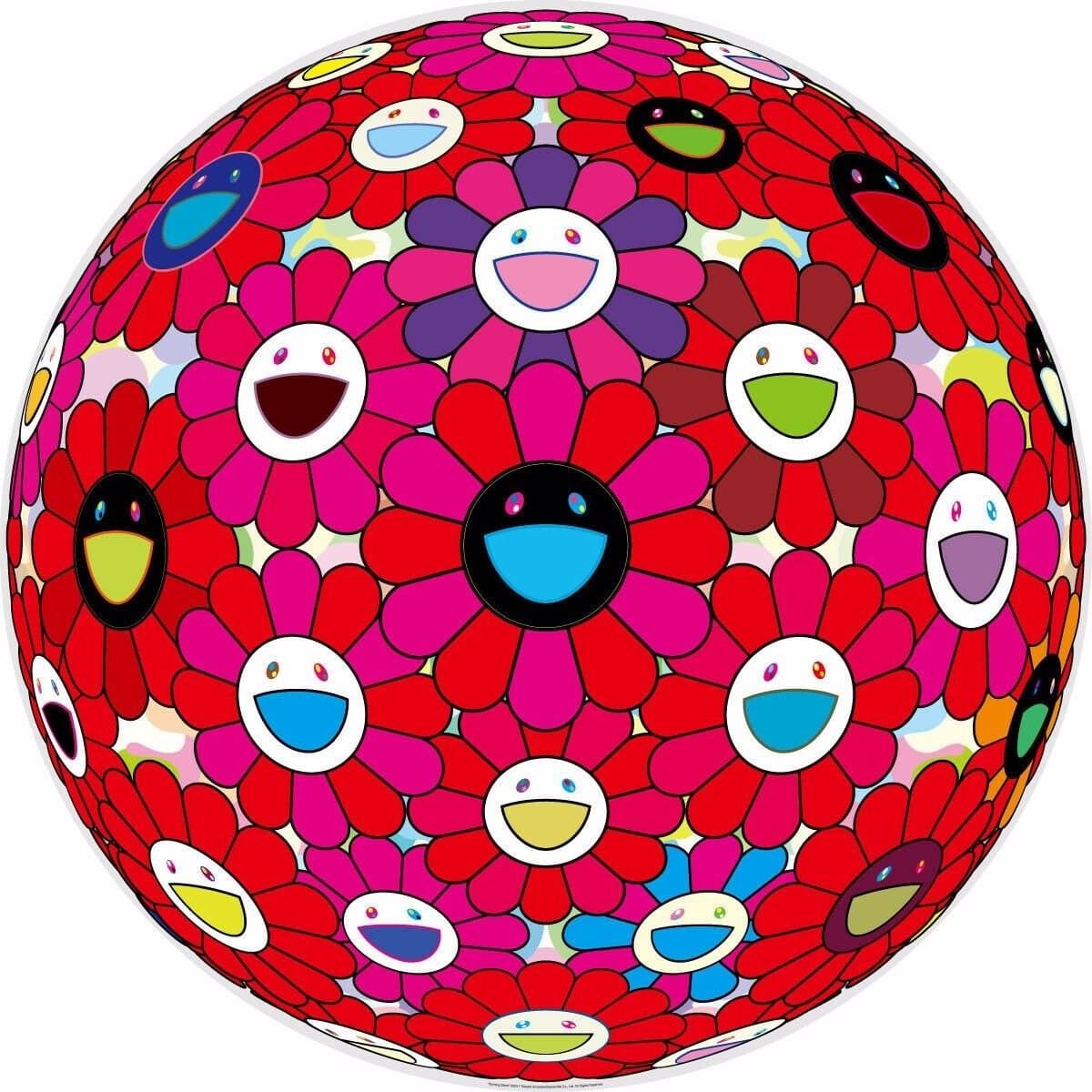
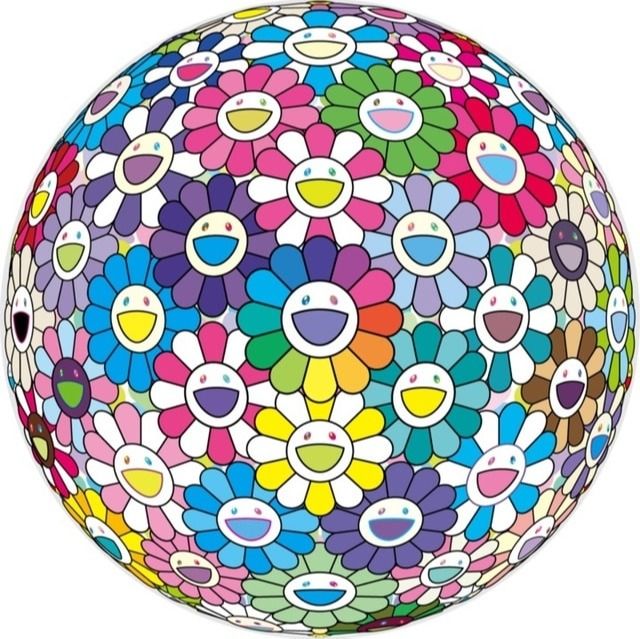
Another element of Japanese culture seen in Superflat artworks is kawaii — the Japanese culture of cuteness. This concept is usually applied to manga and anime characters, and not just human representations. For instance, Murakami uses kawaii flowers in Gargantua on your Palm to create a vibrant psychedelic world. Kawaii is also used to evoke child-like energy that conveys fear or reluctance to grow up.
In some Superflat art, commercial branding is explored. The most notable example is Murakami’s manic mouse character called Mr. DOB — a satirized version of Mickey Mouse. “I set out to investigate the secret of market survivability — the universality of characters such as Mickey Mouse, Sonic the Hedgehog, Doraemon, Miffy, Hello Kitty, and their knock-offs, produced in Hong Kong,” he said in a statement. The character has featured in many of Murakami’s works and has been reproduced in merchandise such as posters and T-shirts.
In her book Art in Consumer Culture: Mis-Design, art historian Grace McQuilten wrote: “Murakami’s DOB functions as commercial branding, and in the realms of art and commerce, celebrates the depthless nature of consumerism.”
How Has Murakami’s Superflat Influenced The Art World?
Other Superflat Artists
Murakami’s 2001 Superflat exhibition featured work by over a dozen other artists who helped to popularise the movement. Perhaps the most famous of them today are Yoshitomo Nara, known for his subversive cartoonish paintings and sculptures of animals and children, Chiho Aoshima, who depicts cute yet dark surreal landscapes, and Aya Takano, challenging otaku culture through a feminine gaze often involving androgynous characters.
The SoFlo Superflat Movement
Superflat was incredibly well-received in the West and inspired a brand new artistic movement called SoFlo Superflat in Southern Florida. The leading artists believed there was a 2D nature to life in the Sunshine State, which therefore warranted 2D representations in their art. This style also uses bright colors, bold outlines and flat imagery to depict a range of subjects and flatten boundaries between different visual mediums.
Superflat and Consumerism
Some argue that Superflat goes further than pop art in blurring the lines between high and low culture. Not only does the movement take low culture elements and make them high art, but Superflat turns these artworks into merchandise. As well as artists producing their work (many Superflat sculptures release their pieces as collectible miniature figurines, for example) and repackaging them into things like toys, T-shirts and keyrings that are more affordable, collaborations with other figures in popular culture are common.
It’s no surprise Murakami has been involved in a multitude of diverse collaborations over the years, covering music, fashion, and even sport. Murakami famously partnered with Louis Vuitton for over a decade, printing his colorful designs onto handbags and other accessories. He also designed the cover art for Kanye West’s third album, Graduation.
“Japanese people accept that art and commerce will be blended; and in fact, they are surprised by the rigid and pretentious Western hierarchy of ‘high art’,” Murakami explained. “In the West, it certainly is dangerous to blend the two because people will throw all sorts of stones. But that’s okay — I’m ready with my hard hat.”
Today, the Superflat movement saturates many aspects of global pop culture as artists continue to push these boundaries. Explore original works by Takashi Murakami and discover pieces that combine cultural impact with lasting value.
Frequently Asked Questions
What is Superflat in simple terms?
Superflat is an art movement created by Takashi Murakami that blends traditional Japanese flat aesthetics with modern pop culture influences like anime and manga. It is defined by bold colors, clean lines, and a deliberately two-dimensional look that reflects contemporary visual culture.
Why is Superflat important in contemporary art?
Superflat is important because it challenges the traditional separation between fine art and commercial culture. By combining elements of design, fashion, and mass media, it has reshaped how contemporary art is created, presented, and consumed, influencing artists, brands, and audiences around the world.
What are the key characteristics of Superflat art?
Superflat art is known for its flat compositions, bright colors, and bold outlines. It often incorporates imagery from anime, manga, and consumer culture, while exploring themes such as identity, globalization, and capitalism. The visual simplicity is intentional, masking deeper conceptual and cultural commentary.
How does Superflat relate to Japanese culture?
Superflat draws heavily on Japan’s artistic heritage, including ukiyo-e prints, while also reflecting postwar cultural shifts. It incorporates elements of kawaii aesthetics, otaku culture, and consumerism, creating a visual language that connects historical traditions with modern media and everyday life in Japan.
Is Superflat similar to Pop Art?
Superflat shares similarities with Pop Art in its use of popular culture and commercial imagery. However, it differs by being deeply rooted in Japanese history and aesthetics, and by more explicitly merging fine art with commerce, branding, and global consumer culture in a contemporary context.
Who are the most important Superflat artists?
While Takashi Murakami is the founder of Superflat, other important artists associated with the movement include Yoshitomo Nara, Chiho Aoshima, and Aya Takano, each contributing to its global recognition and development.
How did Superflat influence global culture?
Superflat has had a significant impact beyond the art world, influencing fashion, design, and entertainment. Collaborations with global brands and musicians helped bring the movement into mainstream culture, making it one of the most recognizable and commercially successful contemporary art movements worldwide.
Is Superflat art valuable for collectors?
Superflat artworks are highly sought after by collectors due to their cultural significance and strong market demand. Works by Takashi Murakami, in particular, have shown consistent value growth, making them attractive both as collectible art and as long-term investment pieces.
Add Takashi Murakami to Your Collection
Explore available works and connect with our specialists for pricing, detailed images, and personalized guidance to help you secure the right piece with confidence.