Roy Lichtenstein
Original Roy Lichtenstein Art and Limited Edition Prints
Discover Roy Lichtenstein art for sale at ArtLife Gallery, featuring iconic Pop Art prints and distinctive works by one of the 20th century’s most influential artists. Recognised for bold outlines, Ben-Day dots, vivid colours and comic-inspired imagery, Lichtenstein transformed popular culture into fine art. Explore available artworks and contact our team to discuss your acquisition.
Artwork
Sell Your Roy Lichtenstein Artwork with ArtLife
Considering selling a Roy Lichtenstein artwork? Request a free, no-obligation valuation from ArtLife and discover your artwork’s potential market value.
- FREE MARKET-LED VALUATION
- ACCESS TO SERIOUS COLLECTORS
- DISCREET PRIVATE SALES
- EXPERT HANDLING OF THE ARTWORKS
- STRATEGIC TIMING AND PLACEMENT
- GLOBAL REACH, PERSONAL APPROACH
Biography
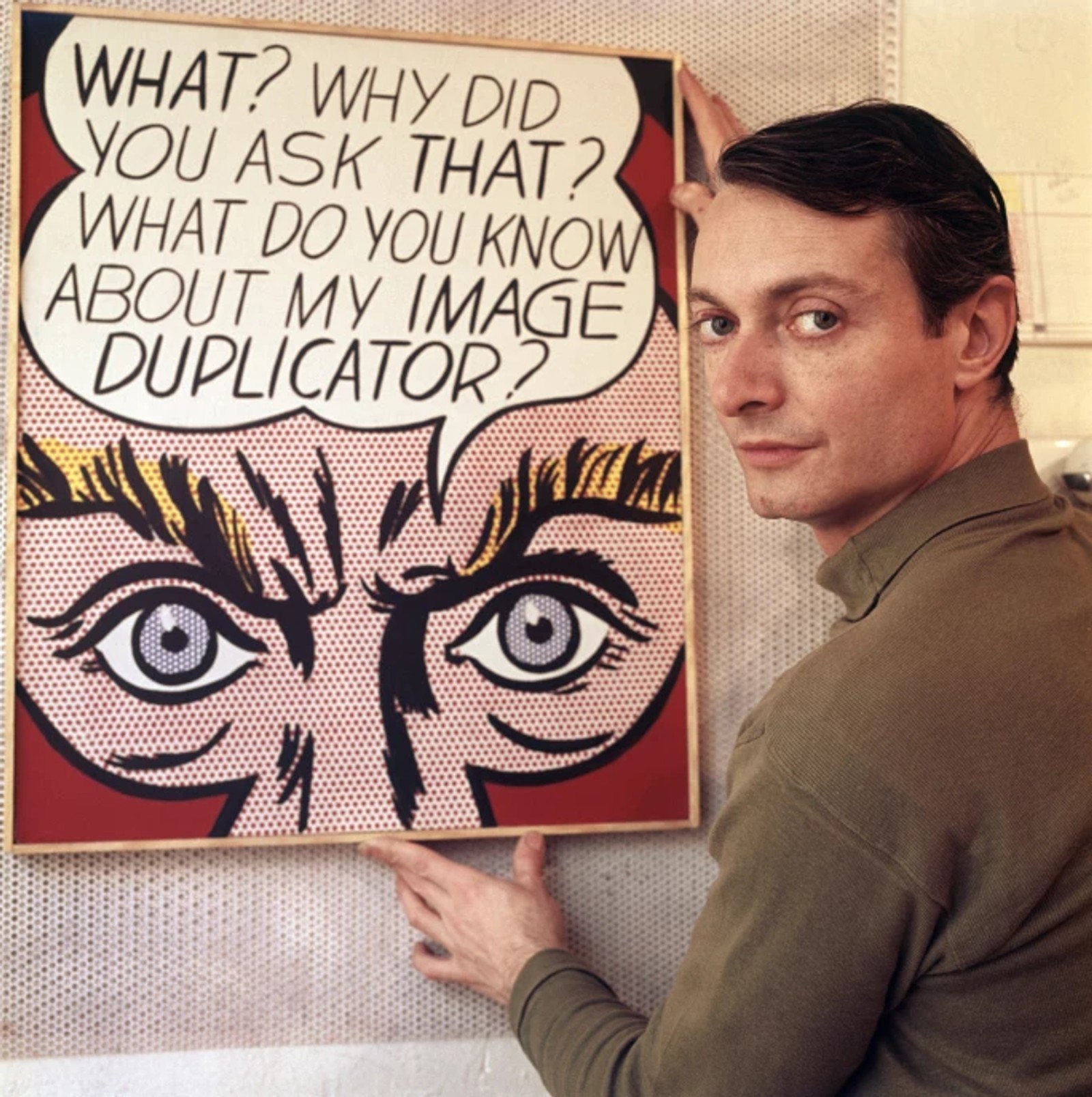
Roy Lichtenstein (1923–1997) was an American artist and a leading figure in Pop Art. He became internationally recognised for paintings and prints inspired by comic books, advertisements and the visual language of commercial printing. His work challenged traditional distinctions between fine art and popular culture, turning familiar images into carefully constructed compositions.
Across a career spanning painting, printmaking, sculpture and public art, Lichtenstein repeatedly explored how images are created, reproduced and understood. His work remains an important reference point for collectors interested in Pop Art and post-war American art.
Early Life and Artistic Education
Born in New York City on 27 October 1923, Lichtenstein developed an interest in art while growing up in Manhattan. He studied at Ohio State University, where his education included painting and art history. His studies were interrupted by military service during the Second World War, and he later completed his Master of Fine Arts degree in 1949.
His early work drew on several artistic traditions, including modern European art and American painting. During the 1950s, his style evolved as he explored different subjects and approaches before moving towards the visual language that would define his mature work.
Roy Lichtenstein and the Rise of Pop Art
Lichtenstein's breakthrough came in the early 1960s, when he began adapting imagery associated with comic books and advertisements. Rather than simply reproducing existing images, he changed their composition, scale, colour and emphasis, creating works that questioned how commercial imagery communicates meaning.
His work became closely associated with the Pop Art movement, alongside artists who challenged conventional ideas about artistic subject matter and the relationship between culture and commerce.
Lichtenstein's use of familiar visual sources also prompted debate about originality, appropriation and the role of mass media in art. Those questions remain central to understanding his legacy.
The Signature Roy Lichtenstein Style
Lichtenstein's work is instantly recognisable for several recurring visual features.
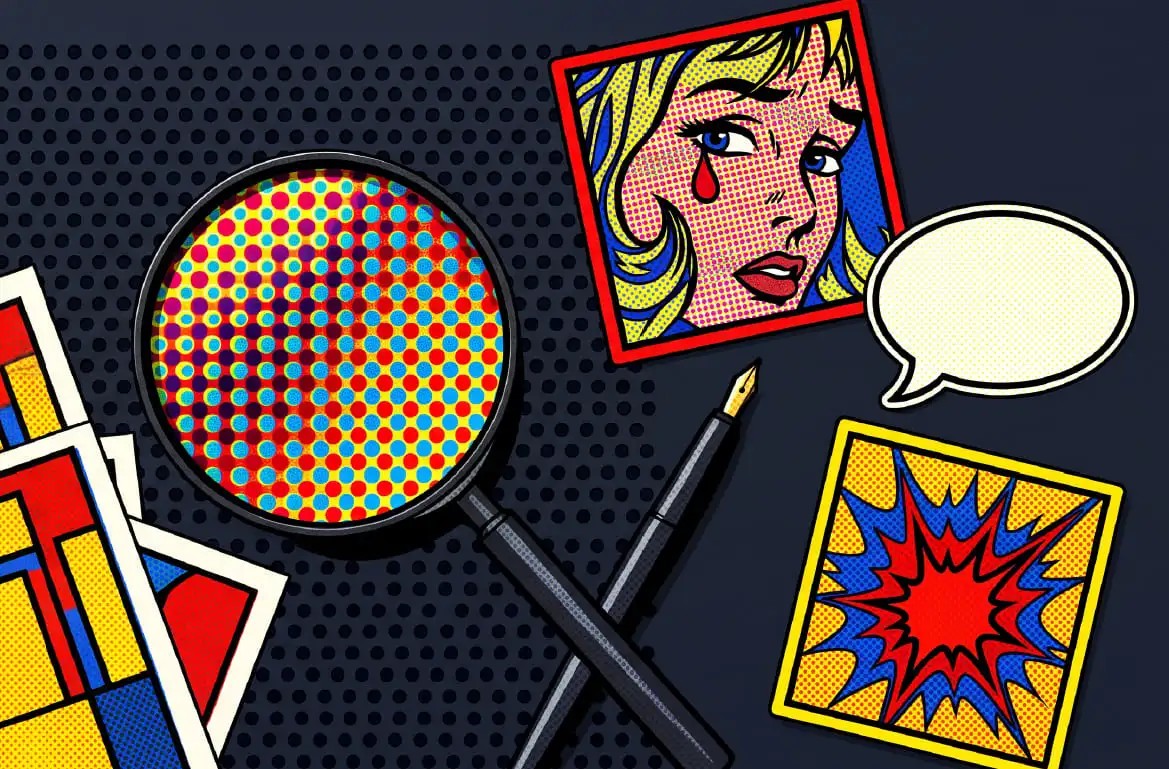
Ben-Day dots
Inspired by patterns used in commercial printing, these dots became one of his defining motifs. He used them to create tonal effects, texture and the appearance of mechanically reproduced imagery.
Bold outlines and flat colour
Strong contours and carefully controlled areas of colour give many of his works their graphic clarity. Primary colours and simplified shapes often heighten the impact of the composition.
Comic-inspired imagery
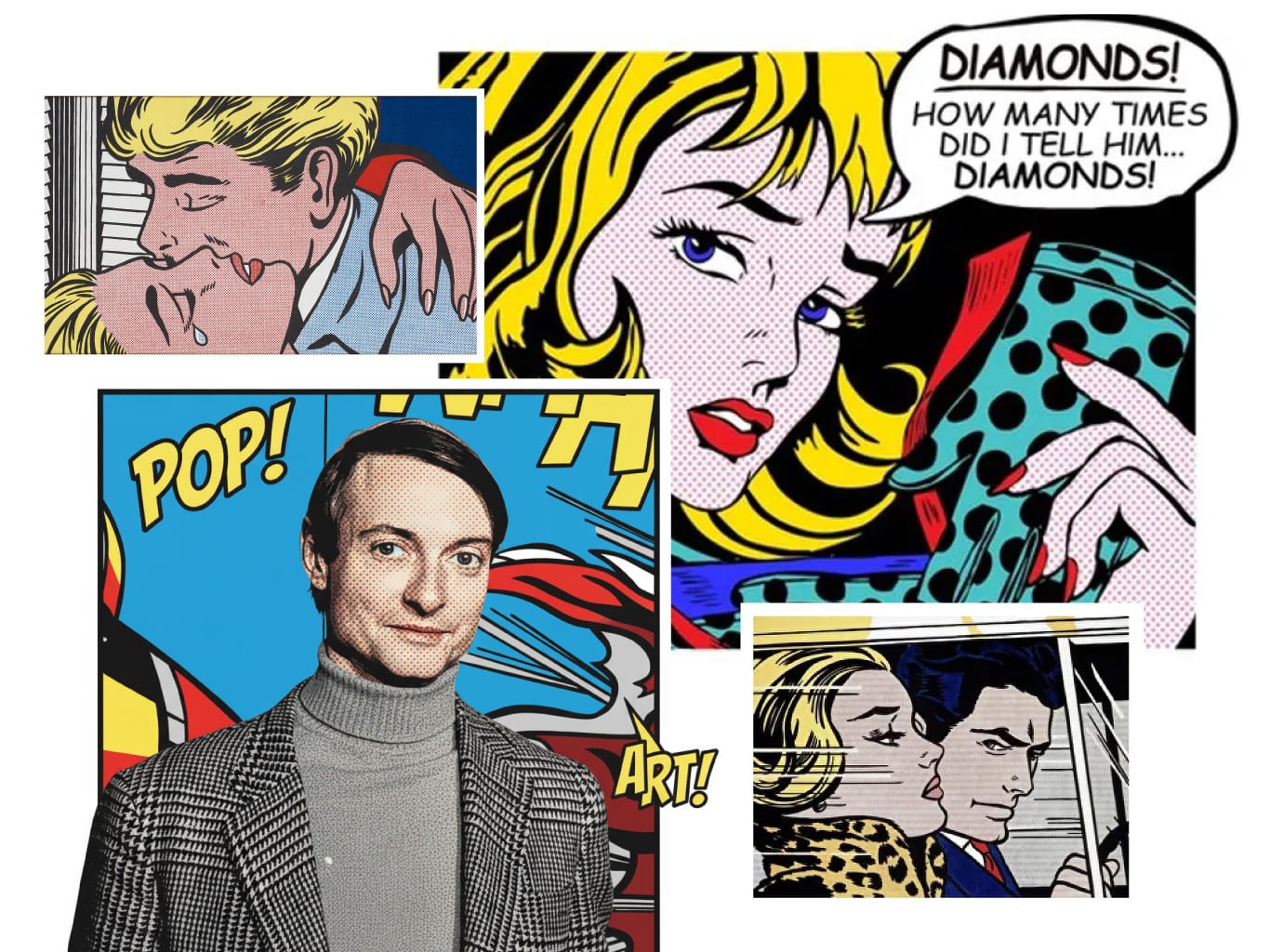
Speech bubbles, dramatic cropping, exaggerated gestures and emotionally charged scenes appear throughout his best-known works. Lichtenstein transformed these conventions into compositions that invite viewers to question the original image and its meaning.
Reinterpretations of art history
He later turned his attention to subjects associated with earlier artists and established artistic movements. By translating these subjects into his own visual language, he explored the difference between an original image and its reproduction.
Later Career and Artistic Legacy
Lichtenstein continued to experiment with landscapes, mirrors, interiors, still lifes, sculpture and other subjects. His practice demonstrated that his work extended well beyond comic-inspired imagery.
He died in New York on 29 September 1997. Today, his paintings, prints and sculptures are represented in major museum collections, and his influence continues to shape discussions about Pop Art, commercial imagery and the boundaries of fine art.
How to Buy Roy Lichtenstein Art with Confidence
Buying a Roy Lichtenstein artwork requires more than recognising a familiar image. Whether you’re considering an original painting, limited-edition print, screenprint or lithograph, factors such as medium, edition size, condition, provenance and documentation can influence its value and desirability.
Before purchasing, verify the artwork’s details, review its condition and compare available information with reliable catalogue records. When buying online, check the seller’s documentation, shipping and insurance arrangements, and request additional details if anything is unclear.
ArtLife can help you explore available Roy Lichtenstein artworks and make more informed collecting decisions.
Roy Lichtenstein Art Value and Market Insights
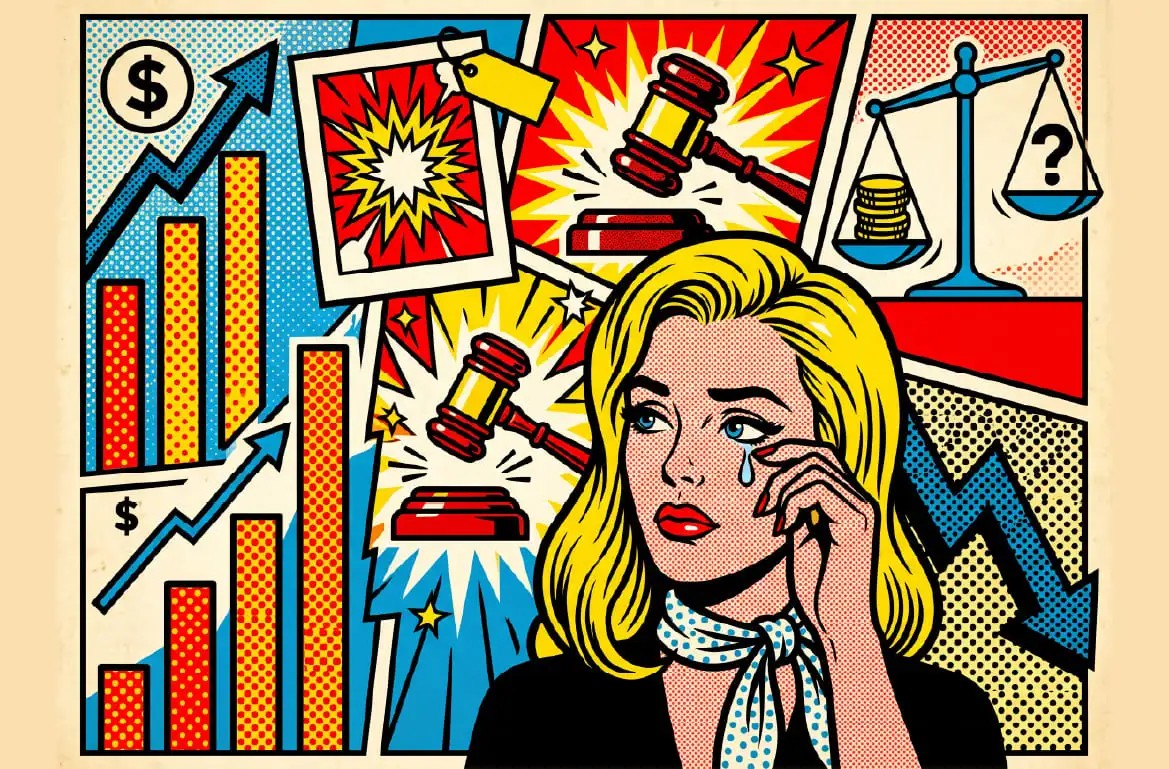
Roy Lichtenstein artwork values vary by medium, subject, edition, condition, provenance and collector demand. Original paintings, sculptures, limited-edition prints and posters each have distinct markets, so every work should be assessed individually.
When researching prices, compare auction results for works with similar titles, editions, dimensions and condition. Distinguish estimates and hammer prices from totals that include buyer’s premiums, and remember that asking prices do not guarantee sale values.
The Roy Lichtenstein catalogue raisonné and auction archives can help verify artwork details and research past sales, but historical results cannot guarantee future value.
Explore Roy Lichtenstein’s Art Series
Roy Lichtenstein explored a diverse range of subjects, from comic-inspired scenes and emotional imagery to landscapes, seascapes and reinterpretations of art history. Series such as Brushstrokes, Haystacks and Cathedrals, Reflections and his figure-based works reveal how he transformed familiar motifs through bold outlines, simplified colour and graphic patterns.
Each series offers a different perspective on Lichtenstein’s approach to Pop Art, challenging traditional ideas of artistic expression and image-making. Explore ArtLife’s available collection to discover Roy Lichtenstein artworks currently offered to collectors.
Understanding Roy Lichtenstein Prints and Their Authenticity
Roy Lichtenstein prints vary by technique, edition, signature status and production history. When assessing a print, examine its medium, dimensions, edition numbers, proofs, provenance and supporting documentation. A signature or edition number alone does not establish authenticity or determine value.
The Roy Lichtenstein catalogue raisonné can help verify artwork details, while publisher records and specialist assessments may provide further evidence. It is also important to distinguish original fine art prints from exhibition posters and reproductions, which can depict the same imagery but differ significantly in status and market value.
Frequently Asked Questions
You can browse available Roy Lichtenstein artworks through ArtLife Gallery and enquire about a particular print or original work. Check the individual listing for current availability, price, medium and other documented details.
The price of a Roy Lichtenstein print depends on its image, medium, edition, signature, condition, provenance and current demand. Comparing the same edition or closely comparable works is more useful than relying on a single price range for the artist as a whole.
Some of Lichtenstein's prints are original works produced through printmaking processes as part of his artistic practice. Others may be posters or reproductions of existing images. The specific object, its production history and its documentation determine how it should be described.
Compare the work with reliable catalogue records and examine its medium, dimensions, edition information, inscriptions and provenance. A signature alone is not conclusive. If significant discrepancies remain, consider an assessment by an appropriately qualified specialist.
Collectors often research the Brushstrokes, Haystack, Cathedral, Landscapes and Reflections works, alongside his well-known comic-inspired imagery. The desirability and value of a particular piece depend on its individual characteristics and the market for comparable works.
A signature may influence a print's desirability and price, but it is only one factor. The image, edition, condition, provenance and comparable sales also matter, and signature status should be verified rather than assumed.
You can contact ArtLife with details and photographs of your artwork to enquire about an initial review. Any valuation or selling arrangement will depend on the work, the available documentation and the gallery's current services and acceptance criteria.
Available categories depend on current inventory. Check the live listings or contact ArtLife to ask about a specific painting, print or other work. Any sourcing request should be confirmed with the gallery before relying on availability.
Start Your Roy Lichtenstein Collection
Looking to acquire a Roy Lichtenstein? ArtLife Gallery provides curated access to investment-grade canvases, works on paper, and prints. Connect with our specialists to explore available works.