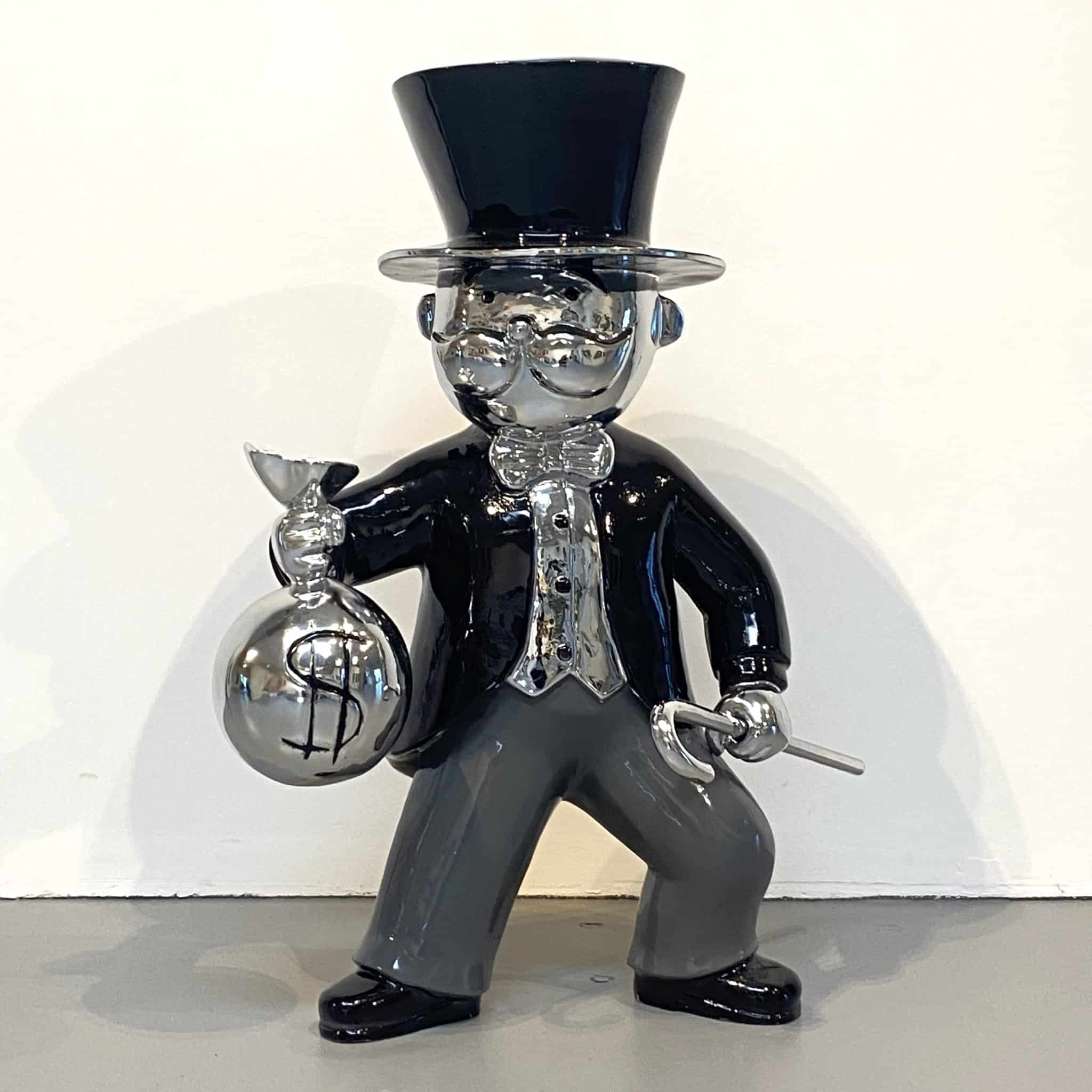
Alec Monopoly HPMs, Prints, and Originals Explained
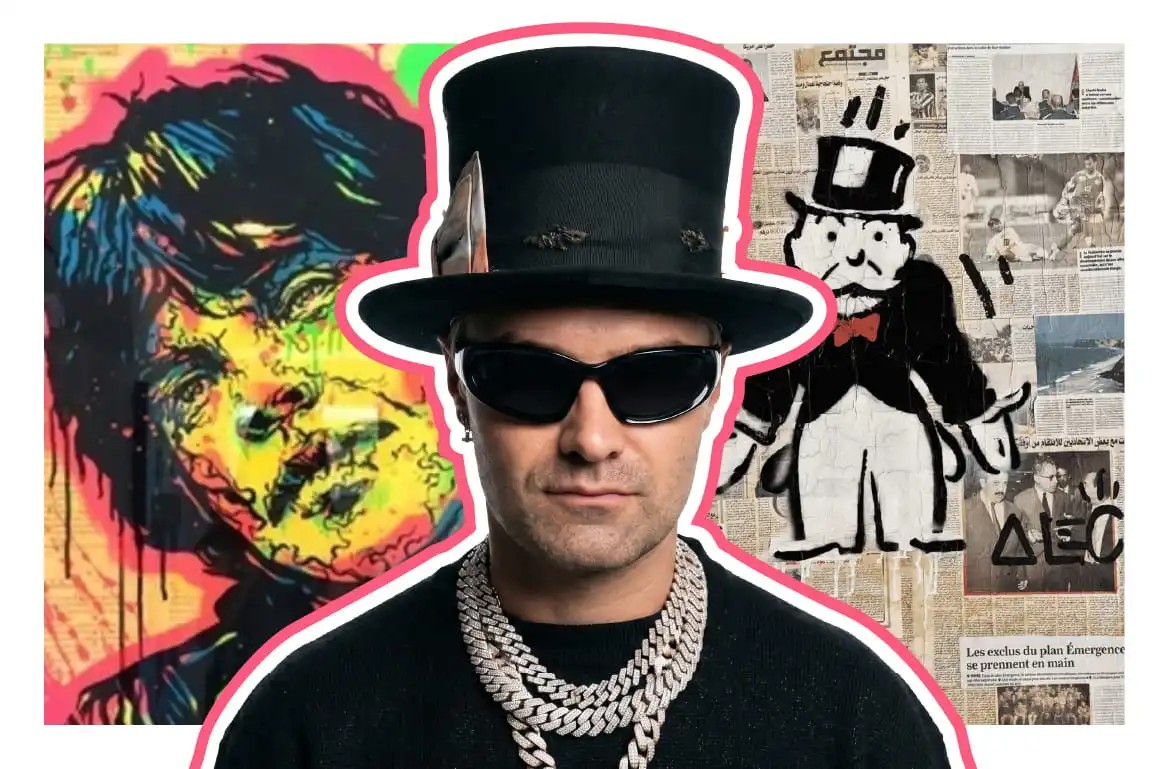
Alec Monopoly HPM explained
Three words come up every time you shop for Alec Monopoly art. Original, HPM, and print. They sound close, but they are not, and the difference decides what you pay and what you can get back later.
An original is one of a kind, made entirely by the artist from a blank surface. A print is a copy run in a set number. An HPM falls between the two, a print the artist went back into and reworked by hand. Knowing which is which tells you what you are really buying, what it should cost, and whether it keeps its value when you sell.
Understanding Alec Monopoly HPM Editions
What Is an Alec Monopoly HPM?
An HPM is a hand-painted multiple. It begins as a print, then Alec goes back in and works over it by hand with acrylic, spray paint, or resin. The result is that every copy in the run comes out a little different. You get the look and feel of a painting at a price much closer to a print.
What Does HPM Mean in the Art World?
The letters stand for hand-painted multiple, and the term reaches well beyond Alec Monopoly. You see it across street and pop art, wherever an artist takes a finished edition and adds real paint on top. Some galleries write it as a hand-embellished print or a hand-finished edition. The label shifts from one place to the next. When you see any of them on a listing, just confirm if there is real paint on the surface, or only ink.
How Alec Monopoly HPMs Are Created
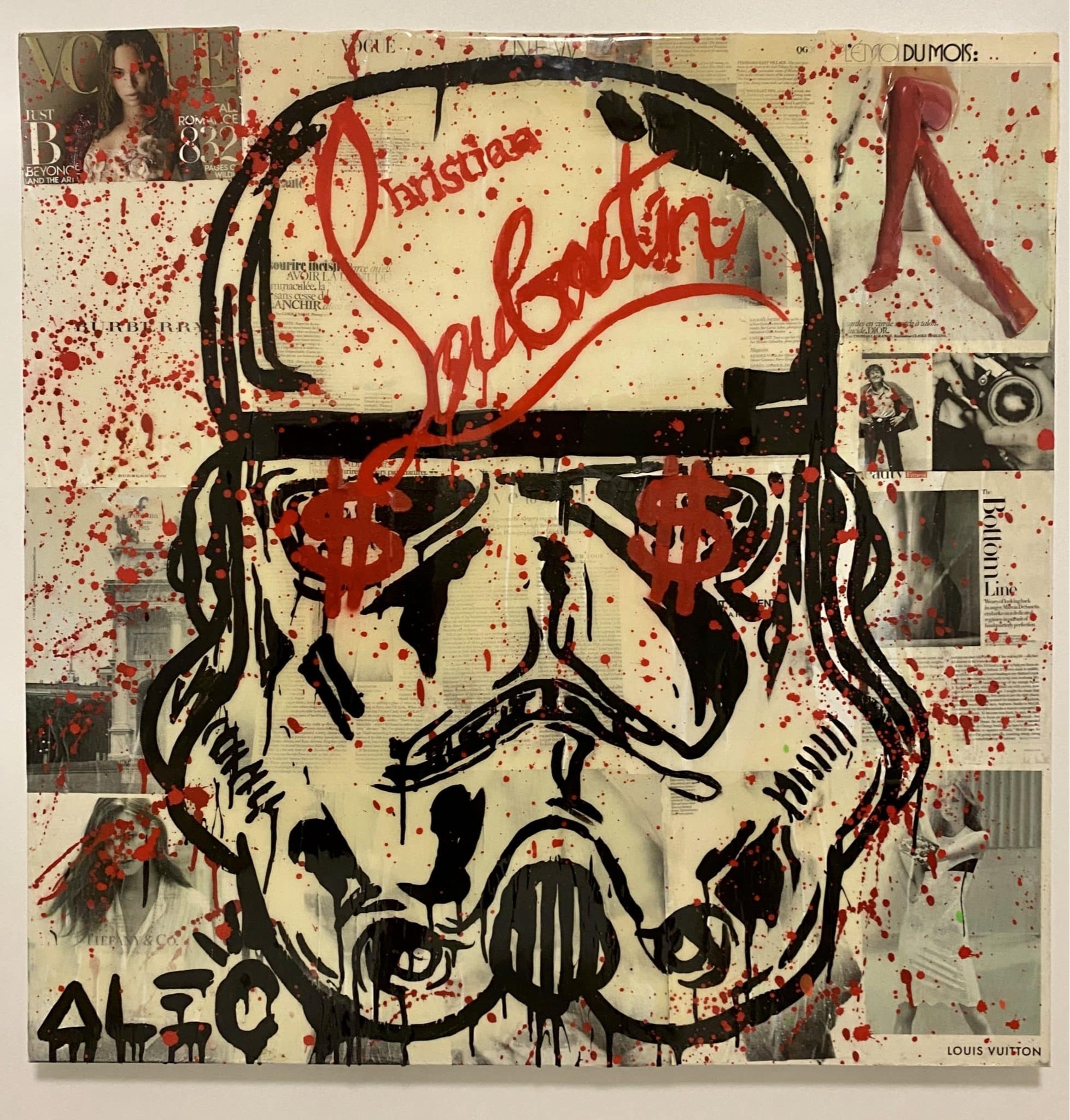
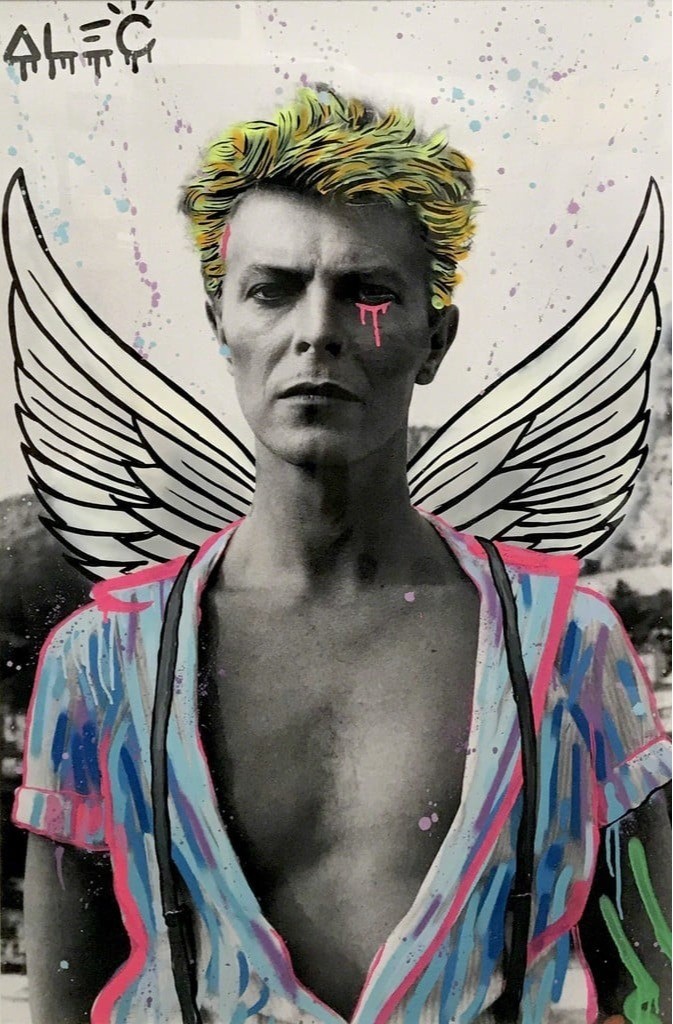
It starts with a high-quality print of one of his images, often a giclée or a screenprint on heavy paper or canvas. Then he works over that base with layers of acrylic, drips and spray, and occasionally a thick coat of resin or diamond dust on top. Every pass is done by hand.
Why Every HPM Is Unique
This is the part that matters for value. The printed base is the same across the run, but what he adds on top is not. Where Alec drops the paint, how thick the resin goes, which areas get spray and which stay clean, all of that shifts from one piece to the next. Even in an edition of fifty, your copy carries marks no other copy has. It is far closer to a one-of-a-kind painting than any flat print, and that difference comes through in the price.
According to Avery Andon, CEO of ArtLife Gallery, “The picture underneath is printed, but everything on top is Alec’s own hand. That is why two copies from the same run never look quite the same. You are buying real handwork, not a flat reproduction.”
Are HPMs Considered Original Art?
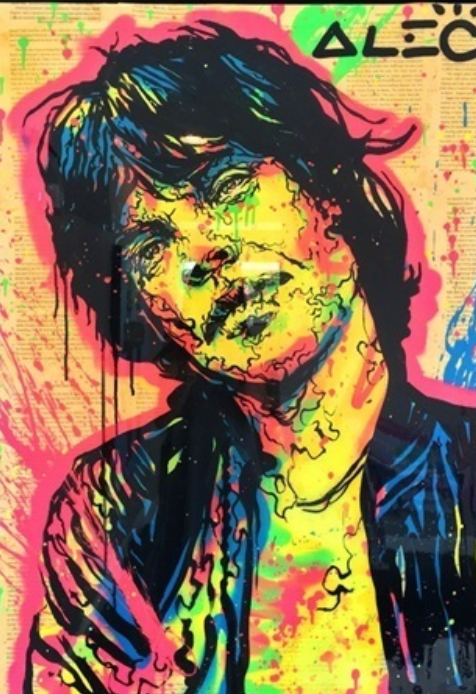
Not quite, and this confuses people. A true original like this ICONS: Mick Jagger original painting is built entirely by the artist from a blank surface. An HPM begins from a printed image. The picture underneath is a reproduction. But the paint, resin, and finish on top are original, laid down by Alec Monopoly himself.
Most galleries and auction houses put HPMs in a category of their own, above a standard print and below a one-off canvas. The honest answer is an HPM is part reproduction, part original, and priced to land right in between.
Alec Monopoly Originals vs HPMs vs Prints
These are the three formats you will run into, and they are priced in that order. An original is a single painting or object, made fully by the artist, and the most valuable of the three. An HPM is a reworked print, unique in its finish. A print is a straight reproduction in a set number. Here is how to tell them apart.
What Defines an Original Artwork?
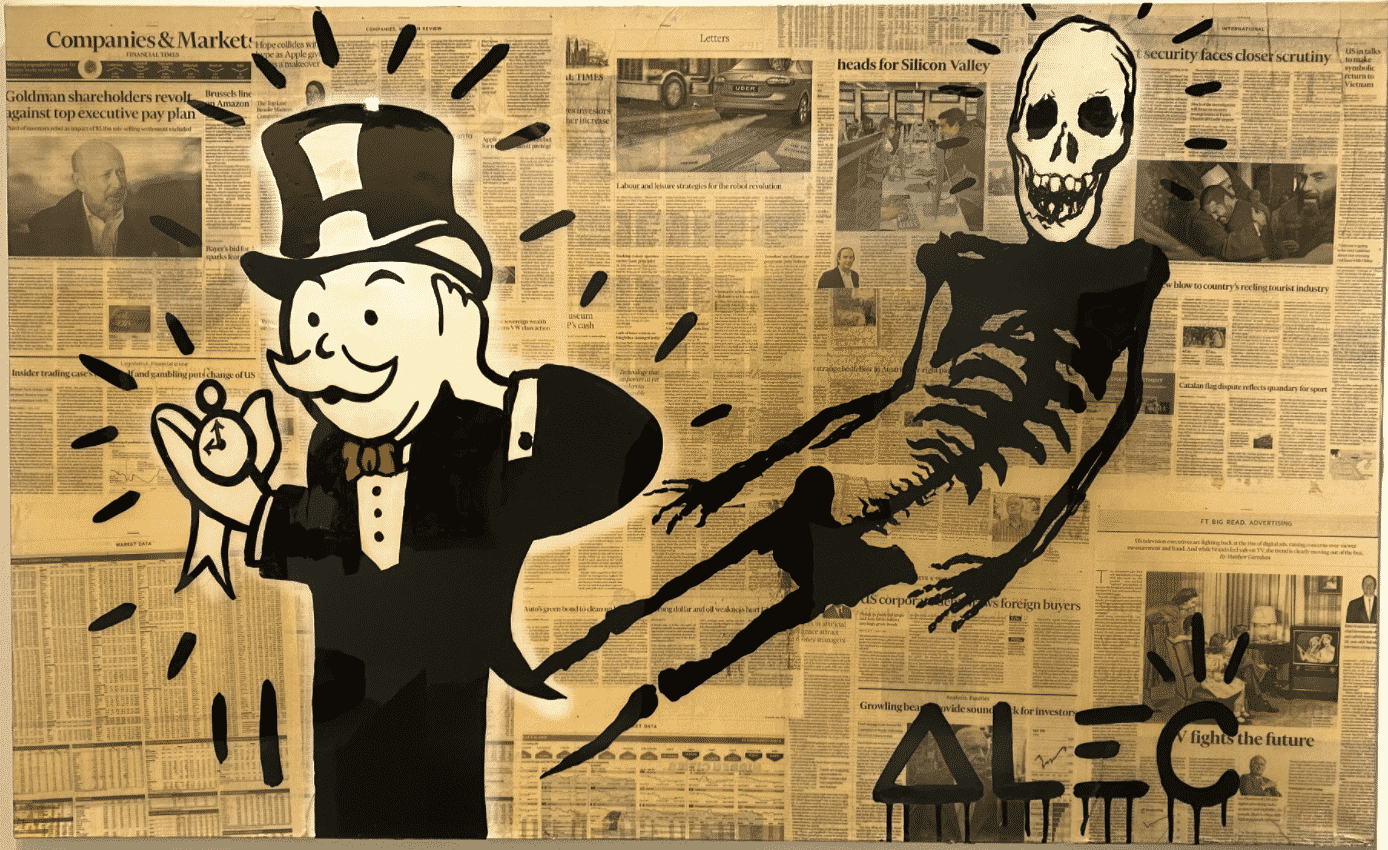
An original is made start to finish by the artist, on a blank surface, with nothing printed underneath. With Alec Monopoly, that means an acrylic-and-spray canvas, mostly loaded with collage and resin, or a hand-painted object like one of his sculptures or a painted Hermès bag.
There is only one. No copies, no matching version waiting in someone else’s collection. That is why originals top his market, and why his auction records all belong to single pieces.
What Is a Limited-Edition Print?
A print is a copy of one of his images, run in a fixed number and then closed. Say an edition of fifty. The artist and publisher make fifty, number each one, and that is the end of it. The good ones are signed and numbered by Alec in pencil, written as a fraction like 12/50, which shows exactly where your copy falls in the run. Sotheby’s calls a print a multiple original, more than one but still a real work, not a poster. The smaller the edition, the rarer your copy.
How HPMs Bridge the Gap
For a lot of buyers, the HPM is the practical middle choice. You pay well below original prices and still get real paint and resin laid down by the artist, never a flat sheet off a press. That is the trade most collectors are glad to make, and it is why strong HPMs of his best images tend to keep their value better than standard prints when the time comes to sell.
Open Editions vs Limited Editions
This difference is what tells you whether a print will be worth anything later. A limited edition has a set, published number, then it closes for good. An open edition does not. The publisher can keep printing it as long as people buy, and the supply never runs out. Limited, signed, and numbered is what you want if resale matters even a little. Open editions, posters, and unsigned merchandise are not made to keep value. Tate keeps a clear glossary of these terms if you want the textbook wording.
| Feature | Original | HPM | Limited Print |
|---|---|---|---|
| Uniqueness | One of one | Unique embellishments | Identical editions |
| Artist handwork | Full | Partial | None |
| Edition size | Single | Limited | Limited or open |
| Signature | Usually | Usually | Sometimes |
| Price range | Highest | Mid-to-high | Lower |
| Collectibility | Highest | Strong | Moderate |
How to Authenticate Alec Monopoly Artwork
Fakes and misattributed prints are everywhere with Alec Monopoly. Paperwork is everything. Before you pay, line up his signature and edition number, a certificate of authenticity, a clear ownership history, and proof of who published or sold the piece. Miss one of them and you are guessing.
“Three things I would never skip,” says Nico Hayes, Senior Director at ArtLife Gallery. “The signature and edition number in pencil, in his own hand. A certificate of authenticity that ties back to the studio, not something a seller ran off at home. And the history, who owned it and where it sold before.”
Those details are your only protection against a bad buy. Let’s break down how to check them.
Check the Signature and Edition Number
Start with the work itself. A real signed print carries his signature in pencil, on the front lower edge, with the edition number next to it as a fraction like 24/150. That number tells you the size of the run and where your copy falls in it.
You may also see letters in place of a number. AP means artist’s proof, a small batch outside the main edition that the artist keeps back. Christie’s flags a missing signature, or one printed onto the sheet where a real one should be, as one of the first warning signs.
Verify the Certificate of Authenticity
Every legitimate Alec Monopoly piece should come with a certificate of authenticity, a COA. It ties the work to the studio’s own records, the title, the year, the edition, the medium. A COA on its own is not bulletproof, since a faker can print one too.
What you want is a COA that matches the studio or the official publisher, not a slip of paper a random seller typed up. Ask who issued it. If the answer comes back vague, consider it a red flag.
Review Provenance Documentation
Provenance is the paper trail of who owned the piece before you. Gallery invoices, past auction records, exhibition history, anything that shows where the work has been. For Monopoly, a clean trail back to an authorized gallery or a known collection works in your favor twice over.
It confirms the piece is real, and it makes your own resale easier later. A work with gaps in its history, or none at all, should slow you down and get you asking more questions before you pay.
Confirm Publisher or Gallery Details
This is the step most beginners skip. Monopoly’s originals and sculptures run through one official channel. Eden Gallery has been his sole exclusive distributor since 2018, working through its own spaces and partner galleries.
Authorized prints and collaborations come with publisher details you can check. Before you buy, find out who released the piece and whether the seller ties back to that chain. A work that traces to the studio, Eden, or an authorized partner is solid.
Common Counterfeit Warning Signs
A few things should make you stop and look closer. A price that runs well under what similar editions sell for is the first. The most common dodge with Alec Monopoly work is a flat giclée with no real brushwork dressed up as a hand-painted multiple, so check that the paint is actually on the surface.
Edition numbers matter too. If the number does not match the known run, or a piece sold as limited carries no number at all, the edition is not what the seller claims. The obvious fake is his image slapped on a t-shirt or a phone case and sold as fine art. If a seller dodges your questions about any of this, that alone is reason to pass.
What Determines the Value of Alec Monopoly Art?
Format is the most valuable factor, then edition size, subject, and condition. His unique work pulls the top numbers, and the format you pick sets the price band before anything else.
Original vs HPM vs Print
Format does more to the price than anything else. The order runs the way you would expect: original first, HPM next, print last, and the gaps between them are wide. What lifts an HPM above a print is that added paint, so a strong HPM of one of his best images can climb toward original money. A print earns real money only when it is signed, numbered, and from a small run. Get the format right and you already know which tier your price belongs in.
Edition Size and Scarcity
An edition of twenty-five is rarer than an edition of two hundred. The smaller the run, the harder your copy is to replace, and the more a buyer will pay to have it. Artist’s proofs fall outside the main run in tiny numbers, which is why collectors chase them. An open edition, with no cap at all, runs the other way. Endless supply, no real scarcity, and little to gain.
Subject Matter and Demand
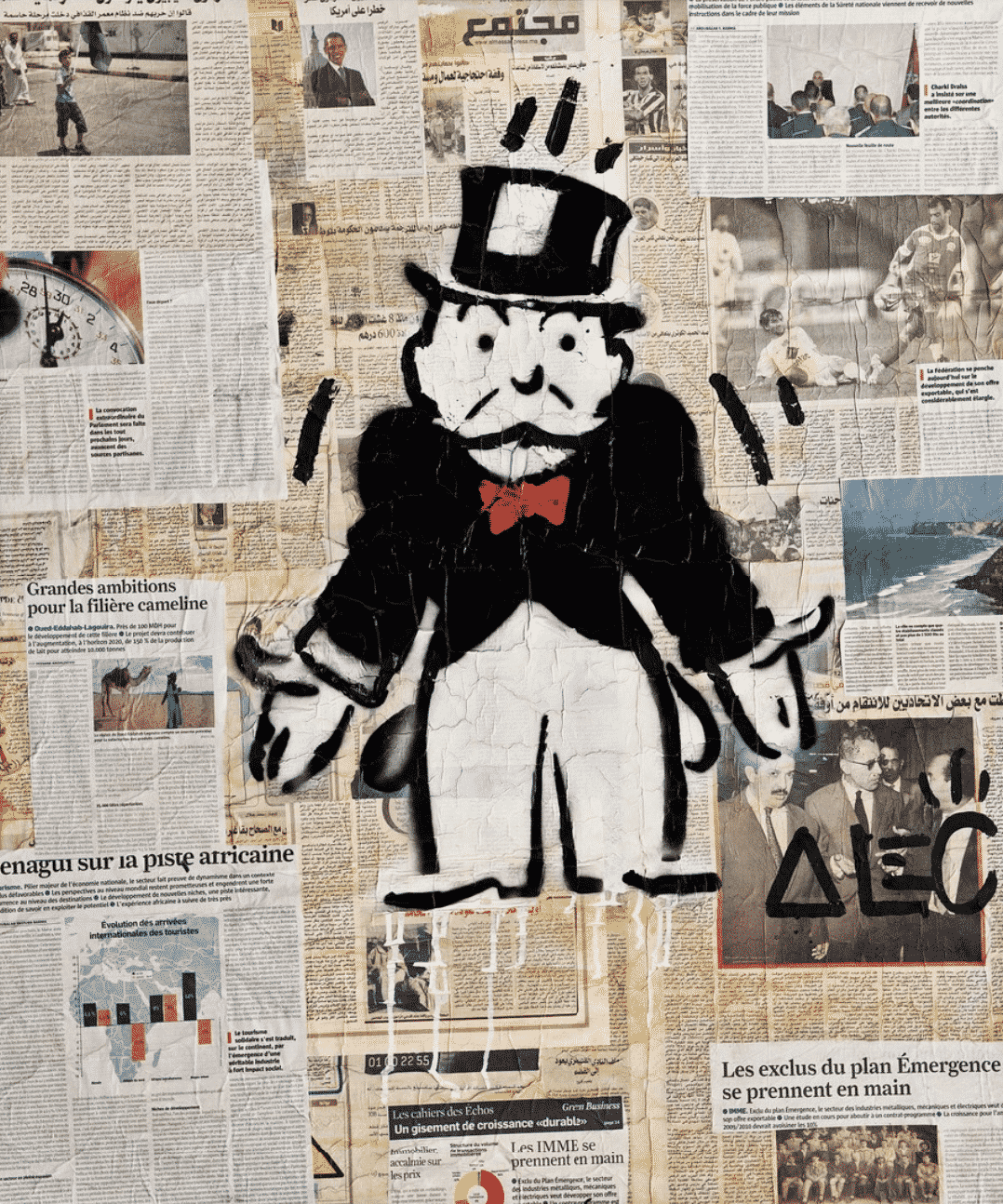
Subject works alongside format. Two prints can come from the same edition size, and the one showing the Monopoly Man will still find a buyer faster than one of a minor character. His core images carry the demand, so a print or an HPM of a strong subject resells more easily than the same format of a weak one. For the full picture of which characters and series lead, see our guide to Alec Monopoly’s Signature Art Series and Themes.
Condition and Conservation
His pieces are heavy with resin, spray, and mixed media, and that surface can chip, scratch, or yellow if it is handled badly or hung in the sun. On an edition it matters even more, since a buyer can line your copy up against every other one in the run and pick the cleanest. Protect the work from direct light and dampness, and keep every piece of paperwork with it.
What Each Format Sells For
Format sets the price band before anything else. Signed prints run from a few hundred dollars up to several thousand for rare early editions. Hand-painted multiples generally land around $2,500 to $3,600. Originals start in the tens of thousands and climb into six figures for his strongest canvases and objects. For the auction records and how his wider market has moved, our guide to Alec Monopoly at auction lays out the numbers in full.
Which Format Should You Buy?
There is no single right answer. It comes down to your budget, what you want from the piece, and how much you care about resale. A signed print is a fine way in. An HPM gives you more for a bit more. An original is the big commitment.
Best for New Collectors
If you are just starting, begin with a signed, numbered print or an entry-level HPM. You get an authorized Alec Monopoly piece for a fraction of what an original costs, and you learn the market with less on the line. Stick to his core characters, the Monopoly Man and Richie Rich, since those resell the easiest if your taste shifts later.
“If you have a smaller number to spend, a signed and numbered print of the Monopoly Man is a great first piece,” says Andon. “Move up to an HPM when you can, because you get that hand-painted texture and it tends to do better when you resell.”
When you are ready to buy Alec Monopoly art, go through the studio, his gallery Eden, or an established name like ArtLife, and the paperwork is right from day one.
Best for Long-Term Collectors
If you plan to keep a piece for years, put your money into unique work or strong HPMs of his signature characters. Exclusive canvases and hand-painted objects have led every one of his record sales, and a well-chosen HPM of the Monopoly Man can track close behind.
Lock down the provenance and the COA before you pay, no exceptions, and choose a piece you really like. Our Alec Monopoly Investment Guide shows you exactly how to build a collection with resale in mind.
Questions to Ask Before Buying
Before you hand over money, ask a few plain questions. Is this an original, an HPM, or a print? If it is an edition, how big is the run, and is my copy signed and numbered? Who published it, and who owned it before me? Can I see the COA and the provenance? A real seller has no trouble with any of these questions.
Frequently Asked Questions
Is an HPM an original?
An HPM starts as a print, so the base image is a reproduction. But Alec Monopoly reworks each one by hand with paint and resin. The finish is original and every copy is unique. The trade puts it in its own category, above a print and below a true one-of-a-kind painting.
Are HPMs more valuable than prints?
Yes, as a rule. The hand-painting makes each HPM unique, while a standard print is one of many identical copies. That uniqueness, plus the paint-and-resin surface, pushes HPMs well above prints and closer to original canvases, above all when the subject is one of his core characters.
Do Alec Monopoly prints appreciate in value?
Some do, some do not. Signed, numbered prints from small, sold-out editions of his best images can climb on the secondary market. Open editions, unsigned prints, and merchandise generally do not, since the supply never runs dry. If you care about resale, stick to signed and numbered, and the smaller the run the better.
What is a giclée print?
Giclée, said zhee-clay, is a high-quality digital print. A fine inkjet printer sprays pigment ink onto archival paper or canvas, which keeps color and detail far better than a cheap poster. The word is French for “to spray.” Many of Alec Monopoly’s paper prints and HPM bases begin as giclées.
How can I verify authenticity?
Look at the piece and the paperwork together. You want the signed edition number, a certificate of authenticity that matches the studio or publisher, a clear ownership history, and a seller tied to an authorized channel. Cross-check the COA against the publisher, not just the seller’s word.
Ready to Start Your Collection?
Success in this market hinges on insight and access. ArtLife delivers both. We source investment-grade prints and blue-chip canvases that build real portfolio value. Contact ArtLife today to access our private inventory and acquire your next asset.