The Roy Lichtenstein Investment Guide to Market Trends, Values and Risks

The Roy Lichtenstein Investment Guide
Artnet ranked Roy Lichtenstein sixth among all artists at auction in 2025, his best year since 2015. In May 2026 Christie’s offered his painting Anxious Girl with an estimate of $60 million. Bidding stopped at $39.5 million, or $46 million with fees.
Buyers clearly want his work, but at the high end they still turn down prices that run ahead of recent results. Anyone buying a Lichtenstein as an investment has to plan for that, along with the costs of ownership and the time it can take to sell.
Is Roy Lichtenstein Art a Good Investment?
Lichtenstein’s work can be a sound long-term holding, but it is not a safe bet. His market is deep and international, and demand rose sharply in 2025. Returns depend on the specific work, the price you pay, the costs of buying and selling and how long you can wait for the right sale.
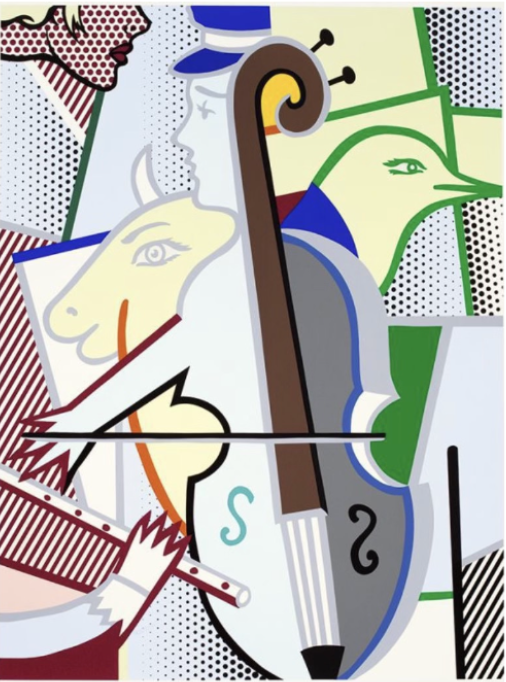
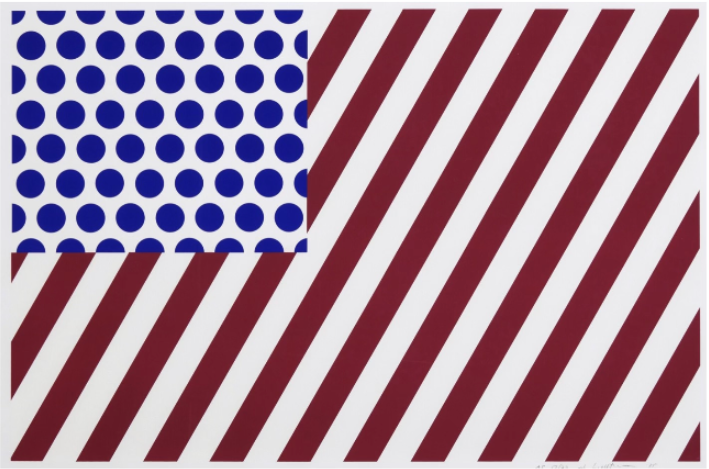
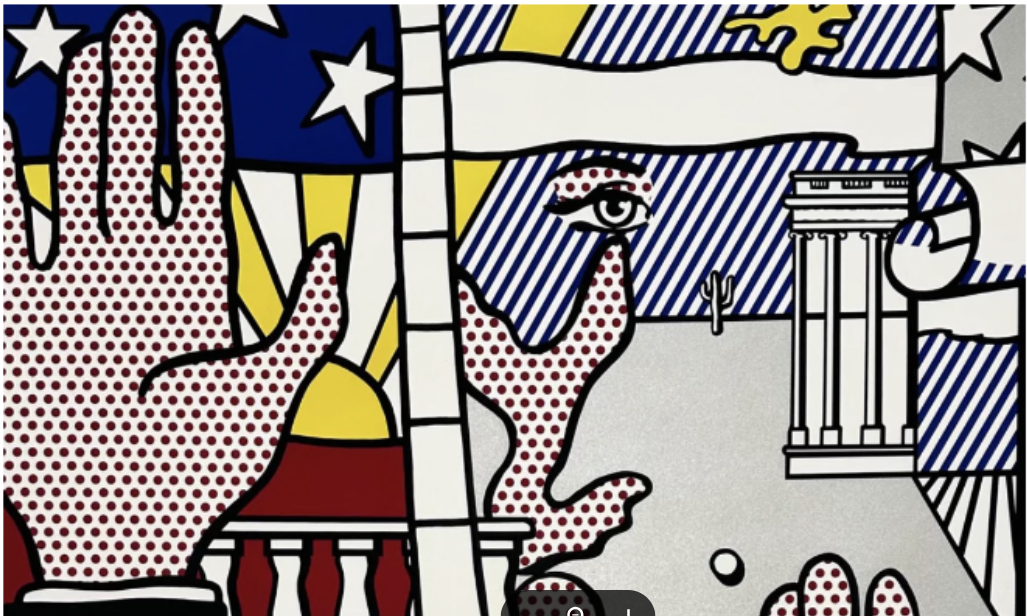
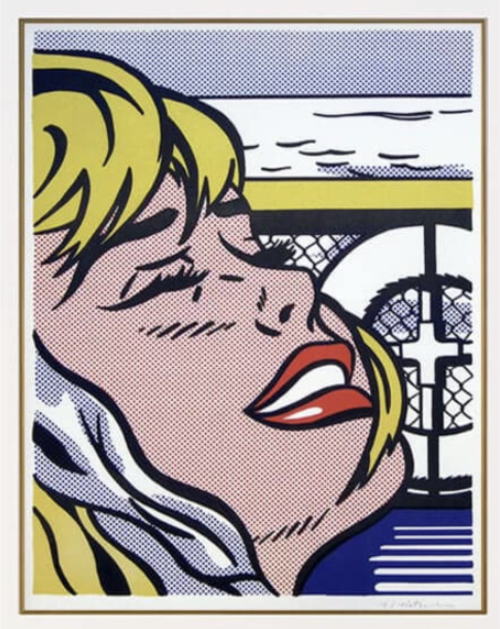
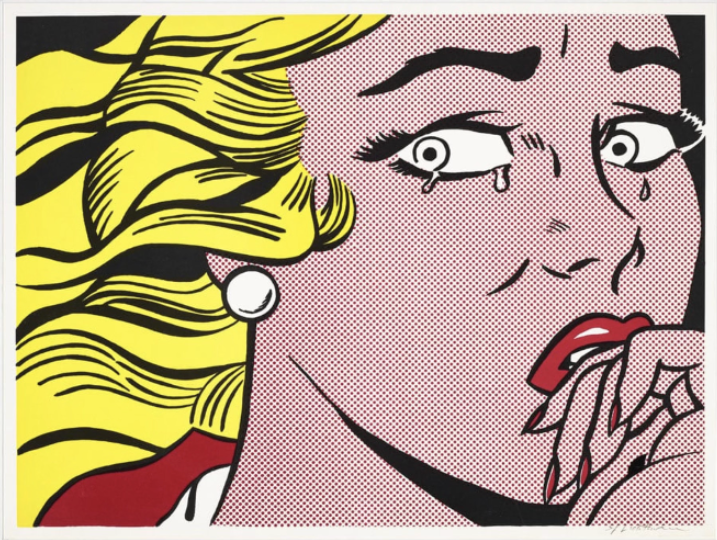
Roy Lichtenstein was one of the artists who defined American Pop Art in the early 1960s. He took images from comic strips and advertising and repainted them with the dots and heavy outlines of his signature style.
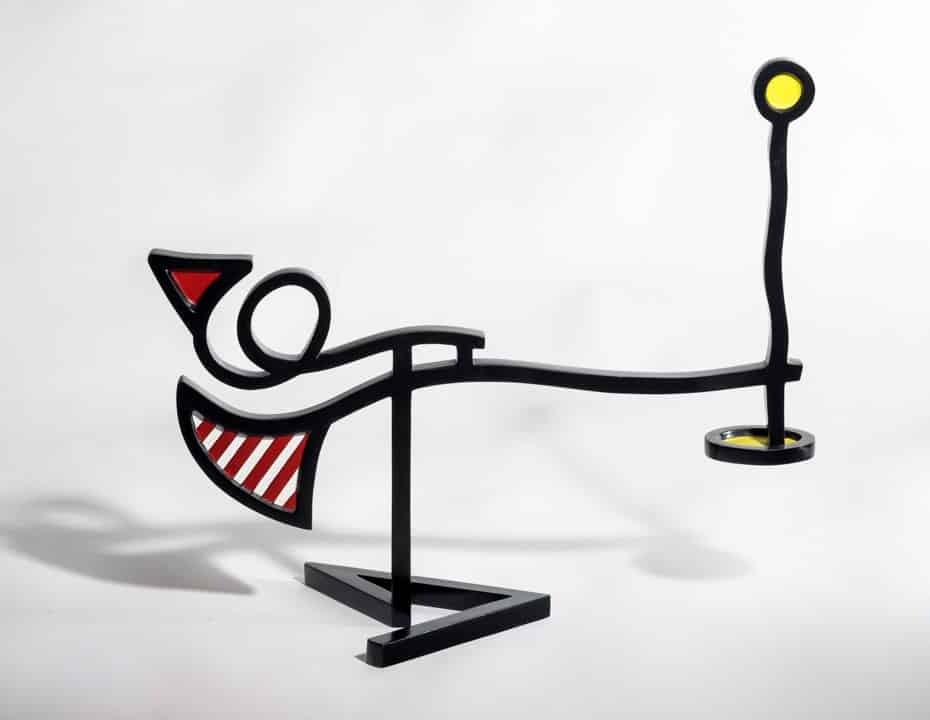
His work comes in two very different forms. Paintings, drawings and studies are unique and sell for tens of thousands to tens of millions of dollars. Prints and multiples were issued in editions from a handful of sheets to several hundred, and most cost far less.
Understanding Roy Lichtenstein’s Art Market
His market splits into unique works, editions and posters. Each has a different price level, buyer base and set of risks. No new work has entered the market since his death in 1997. Everything now trades on the secondary market, through auction houses, galleries, private dealers and online platforms.
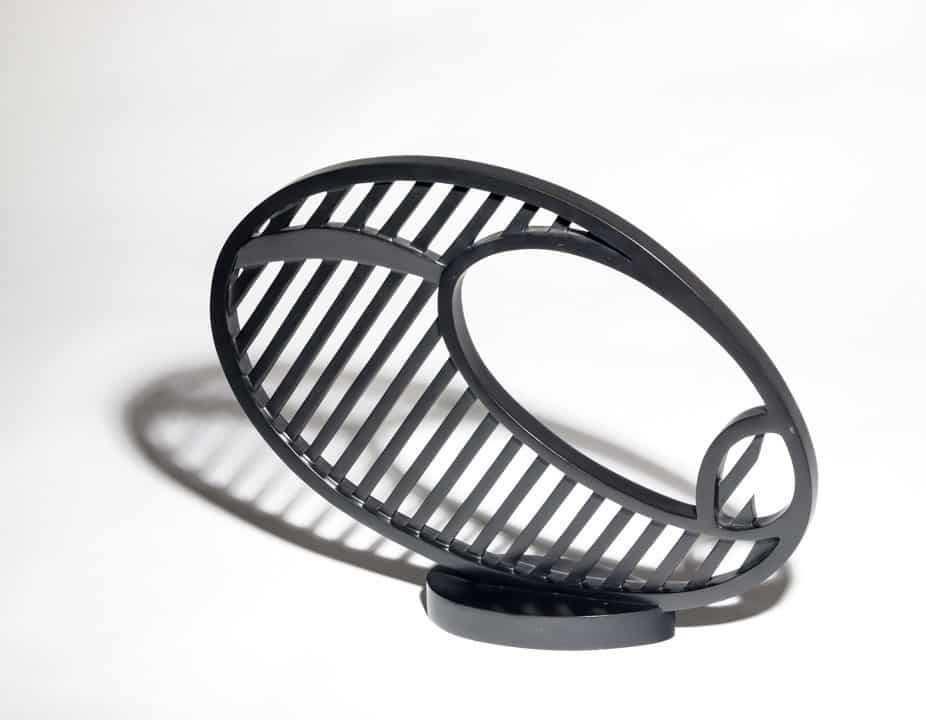
Paintings sell for millions and rarely come up, which means one result can land far from its estimate. Drawings and studies start in the tens of thousands. Enamels and other multiples can reach painting prices. Girl in Mirror, an enamel from an edition of eight, made $6.22 million at Sotheby’s in May 2026. Posters are the cheapest way into his market, and most signed prints sell for less than six figures.
Primary-Market Versus Secondary-Market Sales
With no primary market for new work, the closest thing to one in recent years has been his family’s collection, which Sotheby’s has offered in stages since November 2024. Every other Lichtenstein for sale comes from a private owner reselling it. Price levels follow how many examples exist. Each painting is unique, while a print has as many direct comparables as its edition has sheets.
Roy Lichtenstein Market Trends: What Do Auction Results Show?
Auction results since 2015 point to a market that fell hard and then recovered. Lichtenstein’s yearly auction total dropped sharply by 2022 and climbed back in 2025, when more of his lots came up for sale than ever. The average price per lot has risen every year since 2024.
Artnet’s July report gives the long view. His auction total reached $214 million in 2015, the year Nurse set his auction record at $95 million. By 2022 the total had fallen to $46.9 million and his ranking to 54th place. In 2025 a record 745 lots came to auction, well above the usual 500 to 600. The total climbed to $172.2 million.
How to Interpret Price Trends Across Different Periods
One major painting can lift a whole year. The 2025 total was unusual because the top 10 lots made up only a quarter of sales, whereas in a normal year they make up the bulk of it.
Average prices need the same care. Artnet put the average lot at $436,913 in 2026 through July, up from $145,712 in 2024 and close to the 2015 high of $443,848. Rising averages can mean that more expensive works came up for sale. They do not prove that the same print is worth more than it was.
Record Sales Versus Typical Market Activity
Records make headlines, but they say little about the price of a typical work. Between November 2024 and May 2026, Sotheby’s sold 263 of the 266 lots it offered from the family, to buyers in 38 countries, for $175.6 million against a high estimate of $148.1 million.
Avery Andon, chief executive of ArtLife Gallery, sees two different markets at work: “At the very top, buyers take their time. They know every comparable sale, and a painting has to feel right on quality and on price before they commit. Prints are a different business. There are far more buyers between $20,000 and $200,000, and a good impression with clean paperwork rarely waits long for one.”
Which Roy Lichtenstein Prints and Series Attract Collectors?
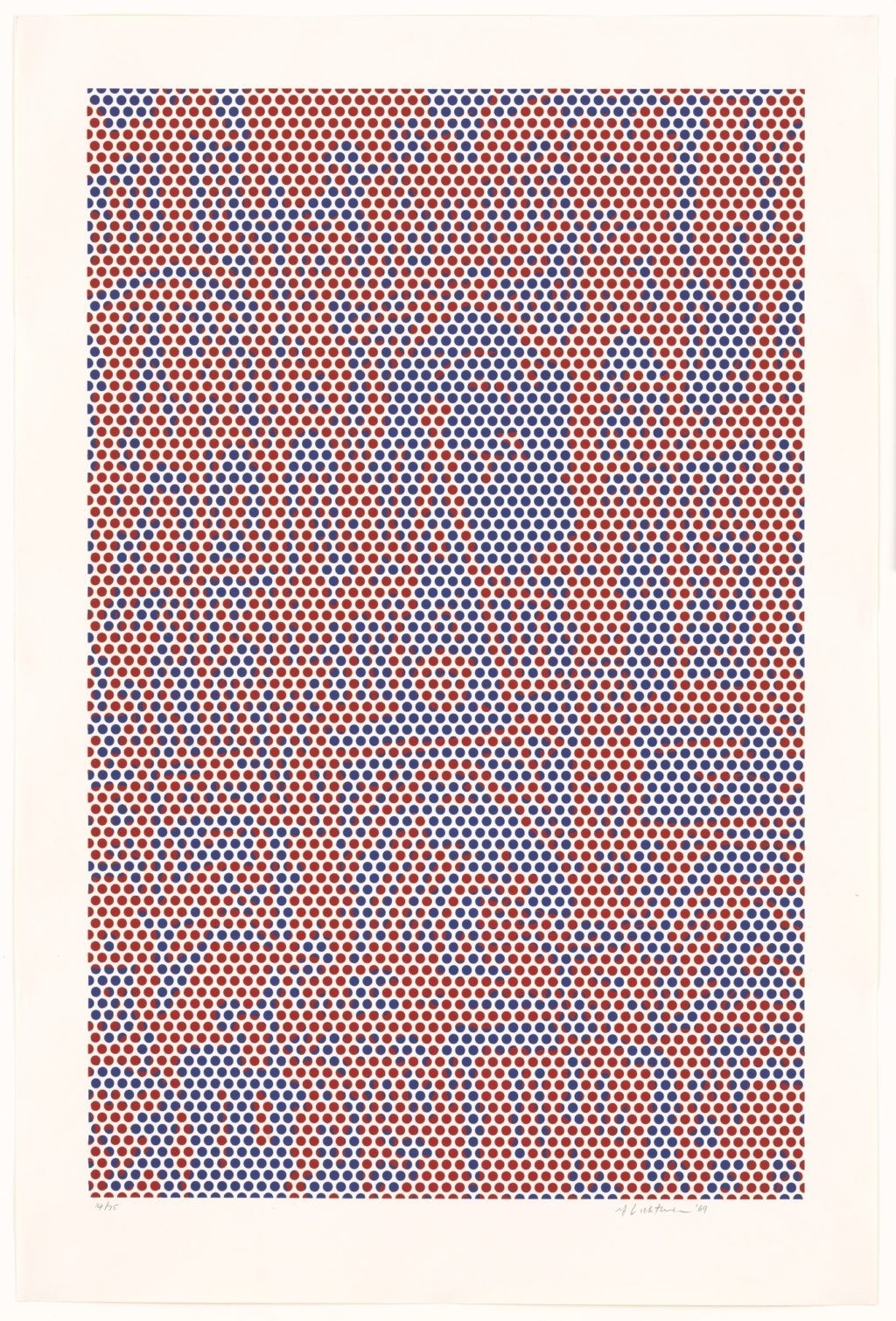
Collectors pay most for prints that are clearly Lichtenstein at his best and kept in strong condition. His large print projects from 1969 to 1994 and his 1960s Pop images attract the most competition. Small editions help only when buyers want the image.
Artnet reported The Gun in America (1989), estimated at $20,000 to $30,000, sold for $342,000, while the 1965 lithograph Sunrise brought $114,300 against an estimate of $8,000 to $12,000. David Galperin, head of contemporary art at Sotheby’s in New York, pointed to the competition for prints at the $100,000 level.
Comparing Major Series and Subjects
Each series has its own strengths and its own gaps in the data:
| Series | Year and workshop | What drives demand | Data limits |
|---|---|---|---|
| Brushstroke | 1965, edition of 280 | One of his best-known Pop images | Condition varies widely, since many sheets were framed and hung without care |
| Haystacks and Cathedrals | 1969, Gemini G.E.L. | His versions of two Monet series | Some states exist in very few impressions and rarely come up |
| Reflections | 1990, Tyler Graphics | Large scale and several techniques on one sheet | Results vary widely from one image to the next |
| Water Lilies | 1992, Saff Tech Arts | Enamel on stainless steel, unusual for a print | Trades apart from his prints on paper |
| Nudes | 1994, Tyler Graphics | His last prints with Tyler and his first female nudes | Few public results in 2026 |
Why Scarcity Does Not Automatically Mean Investment Value
Haystack #6, State II exists in just 13 impressions. That makes it scarce, but also hard to price, because few past sales support a figure. Artist’s proofs follow the same logic and beat numbered sheets only when the image and condition justify it.
What Determines Roy Lichtenstein’s Art Value?
Value comes from the image, the medium, the edition and impression, condition, provenance and documentation. No single factor decides the price. Signatures and famous provenance add value only when recent results for comparable works support them. One serious flaw can cancel the strength of everything else.
Each edition is identified in the online Roy Lichtenstein Catalogue Raisonné (RLCR) of his foundation and in Mary Lee Corlett’s catalogue of the prints. Authenticate Lichtenstein’s print against them before you weigh anything else.
The table compares two hypothetical prints. It illustrates the method and is not an appraisal:
| Factor | Print A (hypothetical) | Print B (hypothetical) |
|---|---|---|
| Image and series | Large 1990 interior from a well-known series | Small still life from the 1970s |
| Edition and impression | Artist’s proof from an edition of 60 | Numbered sheet from an edition of 250 |
| Signature | Signed and dated in pencil | Signed in pencil |
| Condition | Full margins and fresh color | Faded by light, small tear in the margin |
| Documentation | Publisher’s blindstamp, RLCR entry and gallery invoice | Blindstamp only, no invoice |
| Likely effect on value | Supports a price near the top of the range for its edition | Sells at a discount to clean sheets of the same edition |
Signed sheets in poor condition from large editions can sell for less than unsigned proofs with full documentation from small ones.
Roy Lichtenstein Resale Value and Market Liquidity
Liquidity is the ability to sell a work within a reasonable time at a price you accept. Lichtenstein prints find buyers more easily than most art, because similar sheets come to market throughout the year. Paintings and rare multiples take longer. Public auction data also misses the private sales that make up much of the market.
What Resale Value Actually Means
Resale value is what you would receive if you sold today, after fees. For most owners that means the hammer price a similar sheet would reach, minus the seller’s commission and costs.
Auction Frequency, Unsold Lots and Private Sales
Prints that reach auction regularly are easier to price and to resell. Hundreds of Lichtenstein lots are offered every year, and most owners can find recent results for their own edition. Even strong sales have gaps. At the live session of the family collection on October 7, 2026, 22 of 23 lots sold. Landscape with Cliff (Study), estimated at $300,000 to $400,000, did not.
The highest known price for Lichtenstein, $165 million for Masterpiece in 2017, came from a private transaction that no auction database records. Galleries and dealers sell many prints privately too, without publishing the price.
Why Liquidity Differs Between Artworks
Popular prints in good condition can usually find a buyer within one sale season. Paintings may need the right sale and a handful of bidders able to pay seven or eight figures. A realistic reserve helps a work sell faster. Holding out for a price that matches the last record can leave it unsold for a long time.
The Real Cost of Investing in Roy Lichtenstein Art
Owning a fine art piece costs much more than the hammer price. At auction, the house adds its fee to your winning bid, and you pay a commission again when you sell your Lichtenstein artwork. Shipping, insurance and conservation cost extra. Taxes and exchange rates can take another share before you see a profit.
At Phillips in New York, the buyer’s premium since April 12, 2026, is 29% of the hammer price up to $2 million. Sales tax may be added, depending on where the work is delivered.
Each house agrees the seller’s commission privately with the consignor. Negotiating it is one of the steps to get the best price when selling a work of art. You pay crating, shipping and insurance twice, once when you buy and again when you sell. American owners who sell at a profit face a federal rate of up to 28% on art held longer than a year, the rate for collectibles set by the Internal Revenue Service. Buyers paying in pounds or euros also take on currency risk. Confirm your own tax position with an advisor.
Say you buy a print at Phillips in New York for $60,000 at the hammer. With Phillips’ fee added, you pay $77,400 before tax. Now assume you later sell at auction with a 10% seller’s commission and $2,000 in shipping and insurance. To get your $77,400 back, the print needs a hammer price of about $88,000, nearly 50% above what you bid.
Nico Hayes, senior director at ArtLife, starts every return calculation with the costs: “Most people work out their return from the hammer price, and that’s the mistake. Add the premium you paid, the commission when you sell, the shipping and the insurance, and a print often has to gain 40 or 50 percent before you get your money back. On a five-year hold that’s realistic for the right image. On a two-year hold it usually isn’t.”
How Long Should You Hold a Roy Lichtenstein Artwork?
Plan to hold for several years. Costs this high mean a quick resale rarely makes money unless prices jump in the meantime. Holding longer gives the market time to cover your costs, though no period guarantees a gain.
Keep the time frame flexible. Strong auction seasons and major exhibitions can be good moments to sell. Owners who must sell on a fixed date take whatever the market offers that month.
The Risks of Investing in Roy Lichtenstein Art
The main risks are a fall in demand, doubts about authenticity, damage, slow resale and too much money tied up in one artist. Inflation, exchange rates and the returns you give up elsewhere add to them. Documentation, good care and a realistic purchase price reduce most of these risks.
Each risk needs its own check before you buy:
- Demand: Prices at the top can fall short of estimates, as Anxious Girl did in May 2026.
- Authenticity and title: No official body rules on his works today, so the paperwork has to prove what the print is and who owns it.
- Condition: Works on paper fade and crease. Repairs rarely bring back their full value.
- Liquidity and concentration: Collections built on one artist, or on one expensive work, depend on a single market.
- Inflation and opportunity cost: Money held in a print earns no interest or dividends until you sell.
Roy Lichtenstein Investment Scenarios: Upside, Base Case and Downside
The scenarios below follow the print from the cost example. They are illustrations, not forecasts:
| Scenario | What would have to happen | Resale hammer price | What you keep after costs | Result before tax |
|---|---|---|---|---|
| Upside | Strong demand for the series and new results at higher prices | $100,000 | $88,000 | Gain of about $10,600 |
| Base case | Prices stay where they are | $60,000 | $52,000 | Loss of about $25,400 |
| Downside | Demand weakens or condition problems appear | $45,000 | $38,500 | Loss of about $38,900 |
To stress-test a purchase, run the same numbers on the print you are considering. Price it at the low end of recent results, add every cost and check whether you could hold it through a weak season without needing to sell.
A Checklist for Buying Roy Lichtenstein Art as an Investment
Start by confirming exactly what the work is. Then look up past auction results for that edition, inspect it in person or through a full condition report and add up every cost. Decide in advance how long you can hold it and where you would sell it.
Work through these points for any Lichtenstein you are considering:
- Identity: Match the title, date, medium and edition to the RLCR and Corlett entries.
- Comparables: Collect recent results for the same edition and adjust each one for fees and condition, as you would when working out how much a Roy Lichtenstein print is worth.
- Condition and history: Request a condition report and every invoice, exhibition record and earlier sale.
- Total cost: Work out the full price with auction fees, tax, shipping, insurance and framing included.
- Exit: Name the auction house or dealer you would sell through and what they would charge.
- Budget: Spend only money you can leave in the work for several years.
Is Roy Lichtenstein a Long-Term Art Investment?
Lichtenstein’s work can hold its value well for collectors who buy a strong image in good condition at a sensible price and can afford to wait. Past results, including the gains of 2025 and 2026, do not predict what comes next. Browse the Roy Lichtenstein works available for sale at ArtLife and talk to our gallery experts about the piece you have in mind.
Frequently Asked Questions
Is Roy Lichtenstein art a good investment?
Lichtenstein’s market rewards buyers who choose the right image, avoid overpaying and hold for years. Demand grew sharply in 2025 and reaches collectors worldwide. Returns still depend on the exact work and on buying and selling costs, which can push the break-even well above the purchase price.
Do Roy Lichtenstein prints increase in value?
Prices for Lichtenstein best prints have climbed in recent years, with some results far above their estimates. Growth is uneven. Large editions, damaged sheets and minor images can stay flat for years. Expect a gain only from a desirable image in good condition bought at a fair price.
What affects Roy Lichtenstein’s resale value most?
Demand for the image comes first, followed by edition size, condition and documentation. Buyers pay most for recognizable Pop subjects and his major workshop projects in clean condition. The number of similar sheets on the market also matters. Steady sales help set a clear price.
Are limited-edition Roy Lichtenstein prints more valuable?
Smaller editions usually command higher prices, but only when the image is in demand. Rare states of minor subjects can be harder to sell than popular images from large editions. Judge each print by its own sales record and condition before paying extra for scarcity.
How can I assess the investment potential of a Roy Lichtenstein print?
Look up recent results for that edition and adjust them for fees, condition and provenance. Then total the costs of buying and selling to find your break-even price. Finally, check how frequently that print appears at auction and how long you could hold it.
How long should I hold a Roy Lichtenstein print?
Expect to keep it for several years at least. Buying and selling costs mean a print usually needs a large rise before you make money. Keep the date flexible as well, so you can sell in a strong season and avoid a forced sale in a weak one.
Looking to Buy a Roy Lichtenstein Artwork?
Explore available Roy Lichtenstein artworks with ArtLife Gallery. Our specialists can guide you through prints, editions, provenance, pricing, and acquisition opportunities tailored to your collecting goals.