How Does Banksy Stay Anonymous And Make Money?
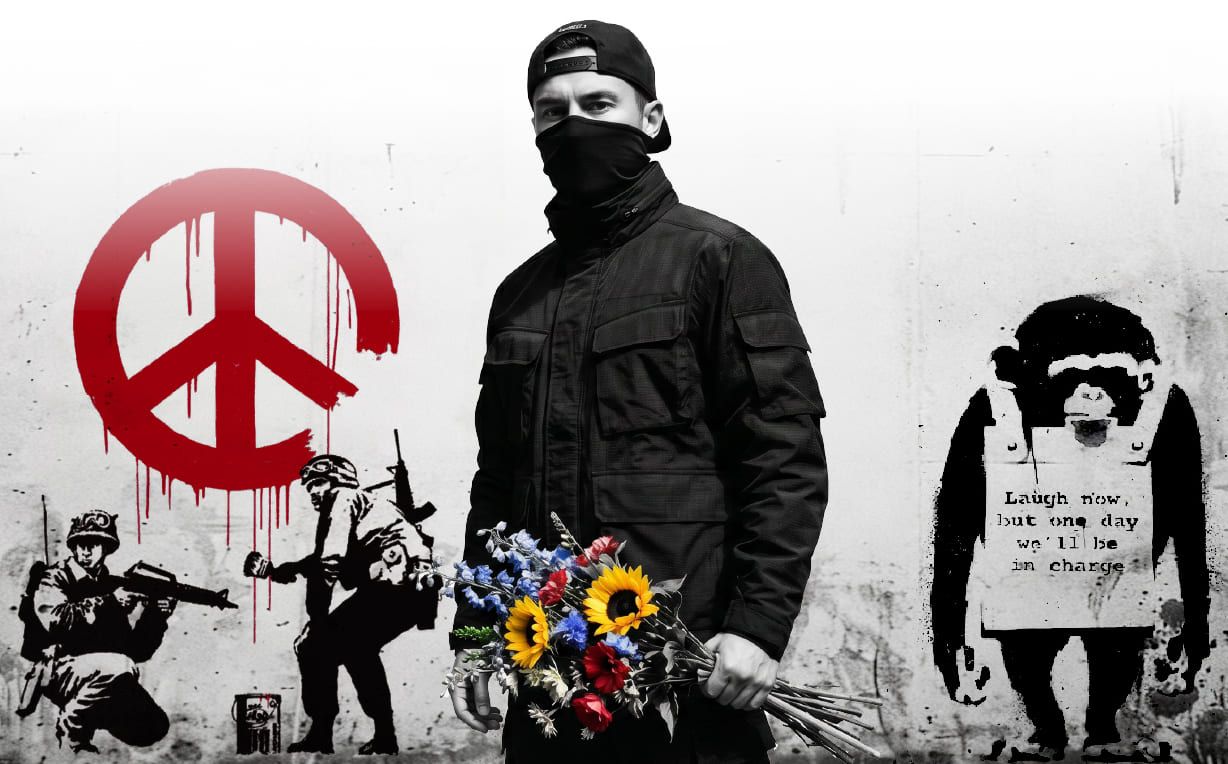
How Banksy stays anonymous and profitable
People have been speculating over who he could be for years, but none of these theories have ever been proven. And despite this anonymity, the verified works attributed to him continue to sell for huge sums of money. Which begs the question — if no one knows his real identity, how does Banksy actually make money?
Key Takeaways: How Banksy Stays Anonymous and Profitable
Banksy hides his identity to avoid legal trouble while enhancing the mystery that drives his global fame. He uses fast stencil techniques to create his street art quickly and covertly, allowing him to work unnoticed. Although Banksy first gained recognition as an anonymous street artist, his income now comes from a diverse range of commercial ventures. In his early career, he earned revenue through affordable limited-edition prints sold via the Pictures on Walls collective.
Beyond selling limited-edition prints and original artworks, he generates revenue through acclaimed projects such as Exit Through the Gift Shop, Dismaland, and The Walled Off Hotel. His official authentication office, Pest Control, also plays a crucial role in protecting the value of his artwork by verifying authenticity. Together, these ventures have helped Banksy build one of the strongest brands in contemporary art while maintaining exceptional demand among collectors and investors worldwide.
Who Is Banksy?
This was supported by a 2016 study showing that Gunningham’s known movements correlated with Banksy’s artworks. Others believe that Banksy is 3D, Banksy’s former collaborator in the DryBreadZ (DBZ) Crew of graffiti artists, while comic book artist Jamie Hewlett is a suspect too. Another theory is that he is Damien Hirst’s alter-ego. None of these claims have ever been proven, and given how much the mystery feeds into Banksy’s brand, he won’t be giving up his identity in a hurry.
How Has Banksy Concealed His Identity For So Long?
Banksy kicked off his career in the 1990s, and has managed to keep his identity under wraps in the decades since. His signature stencil style has been key in allowing him to preserve his anonymity, as he can complete his work much more quickly by following this method compared to painting freehand.
In this day and age, it seems almost impossible that somebody so famous has managed to escape detection for so long, but according to his former agent Steve Lazarides, Banksy has used some very creative methods to stay anonymous.
“It’s amazing what you can do with a high-vis jacket and some cones. Obviously, he couldn’t do it now. But then, I never saw him paint at night. Never,” he told.
Sky News in 2019. Another one of their tricks involved a fake film where “Banksy would have a piece of paper, purportedly from [Lazarides] as a producer, telling him where to go and paint and that he had permission to paint there for this fictitious film”.
How Does Banksy Make Money?
Seeing as nobody knows who Banksy is, it begs the question: how exactly does he get paid? Like the majority of street artists, he doesn’t actually make any money from most of his work due to the fact that he paints onto walls rather than canvases.
In this respect, his anonymity makes no difference to his profits. However, his fame means that other people have tried to cash in where he cannot. It has become common for art dealers and property owners to remove and sell entire walls that bear an original Banksy.
Although Banksy built his reputation painting illegal murals on public walls, his income extends far beyond street art. Through limited-edition prints, immersive exhibitions, filmmaking, and carefully managed commercial projects, Banksy has created one of the most successful business models in contemporary art. At the same time, his commitment to anonymity has strengthened the exclusivity of his work, increasing demand among collectors and investors worldwide.
Limited-edition prints and original art sales
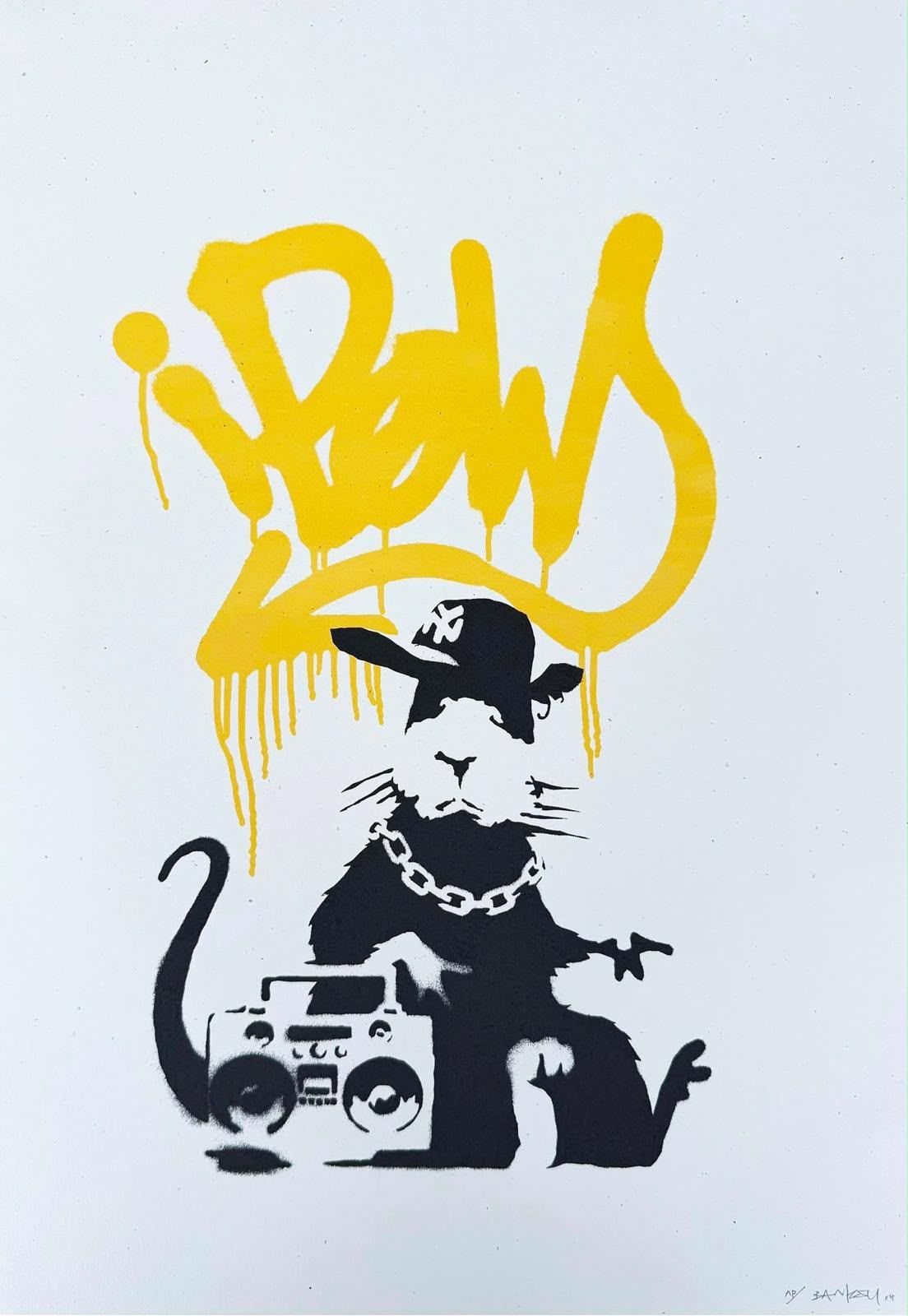
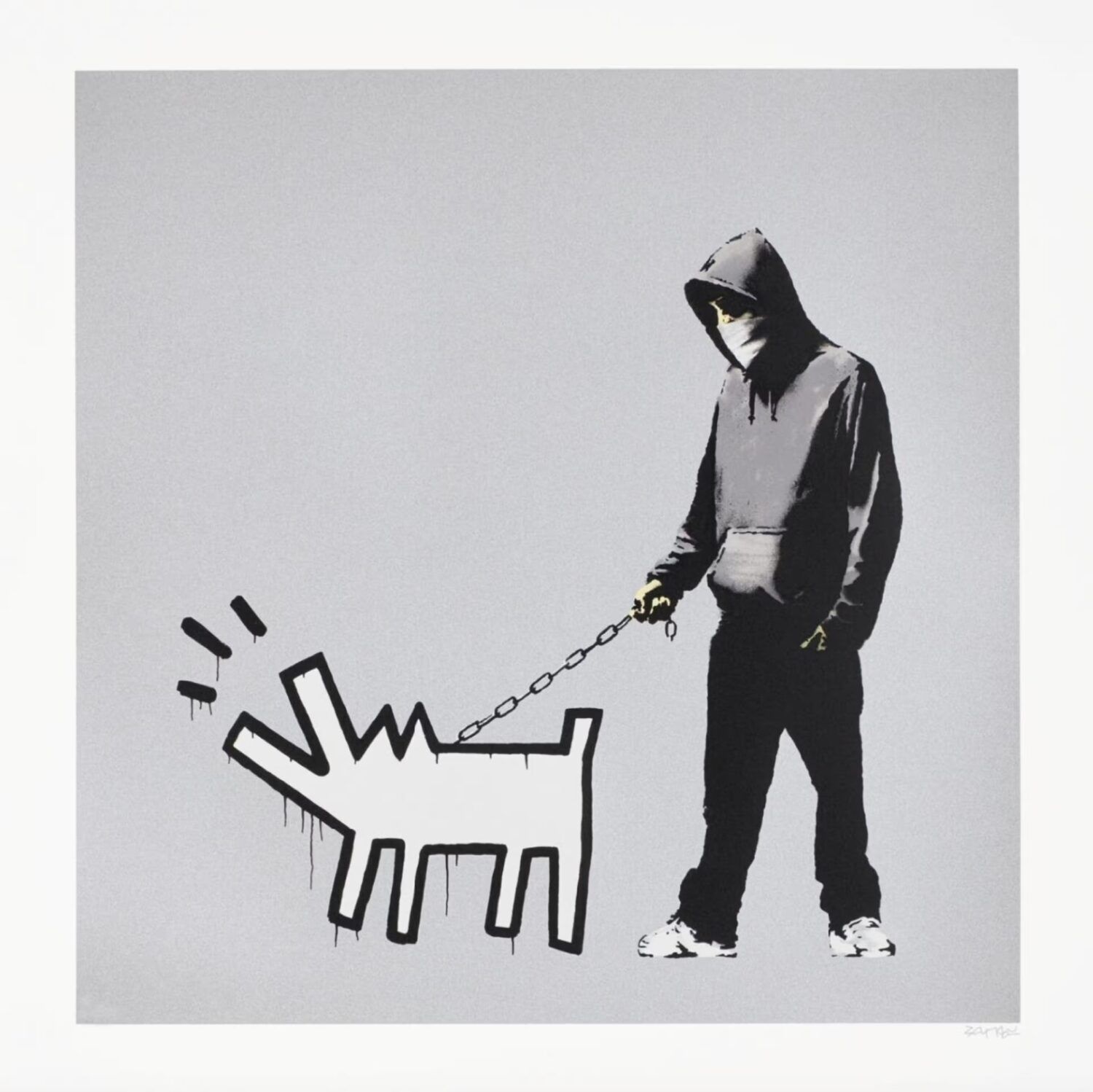
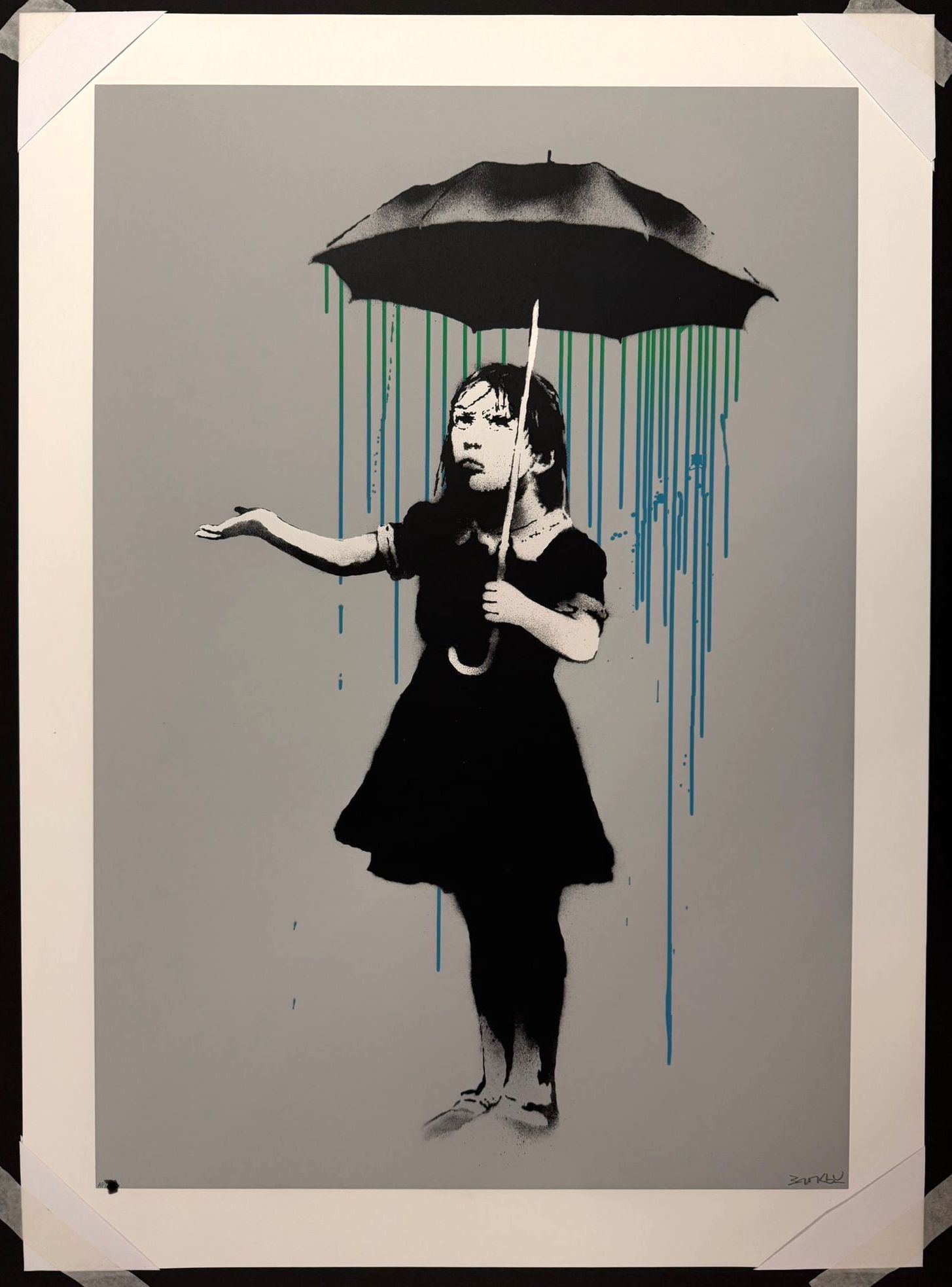
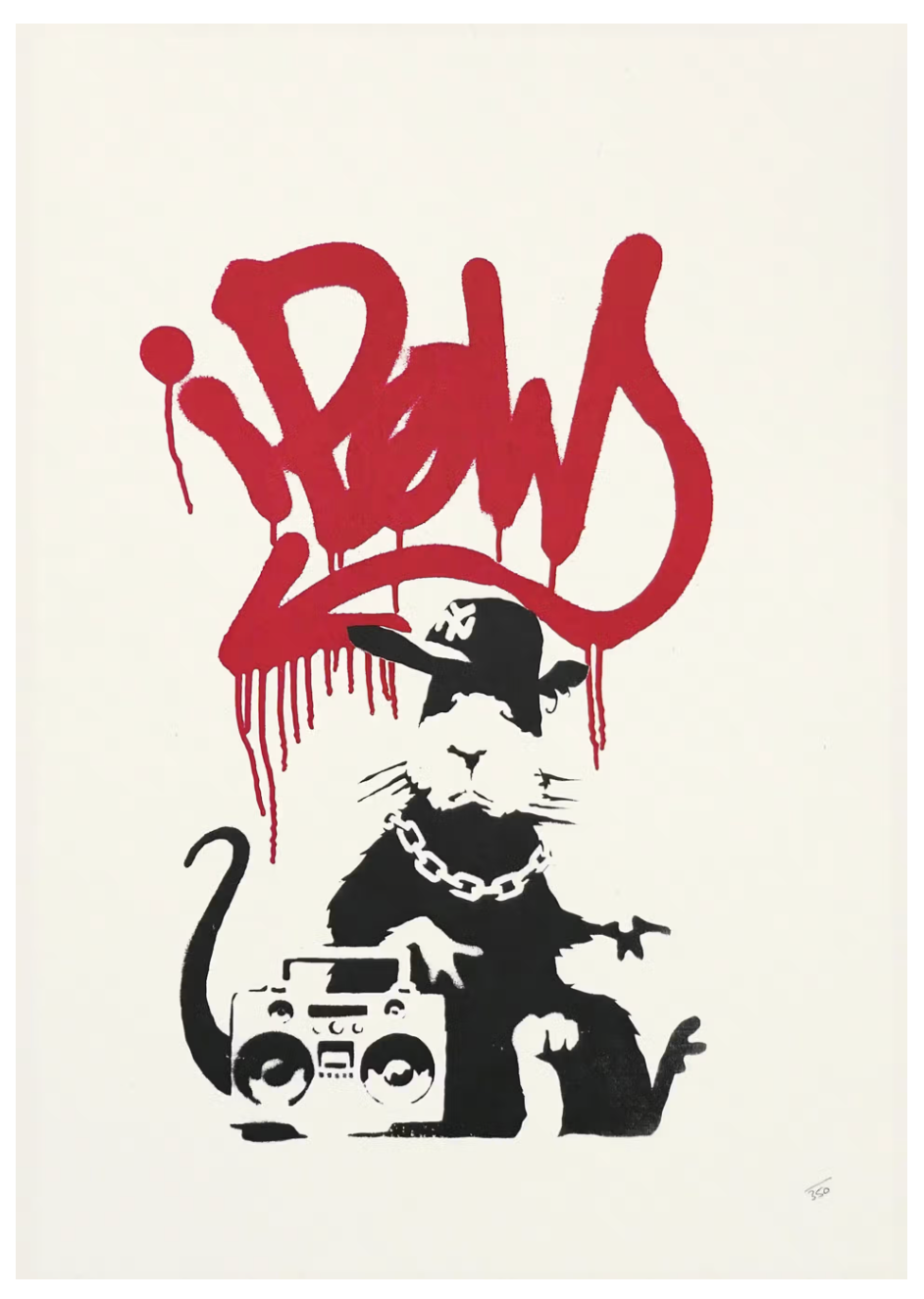
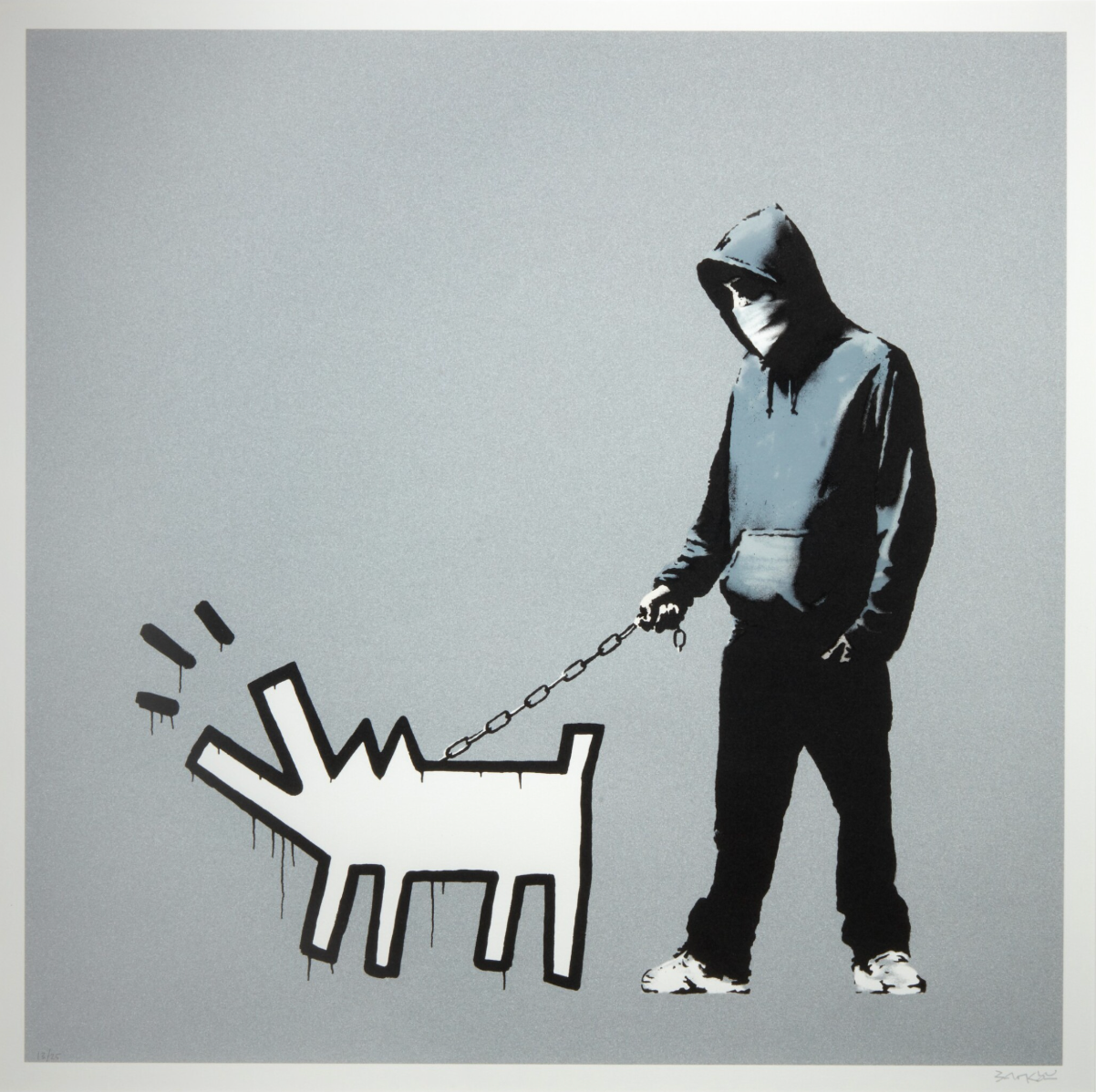
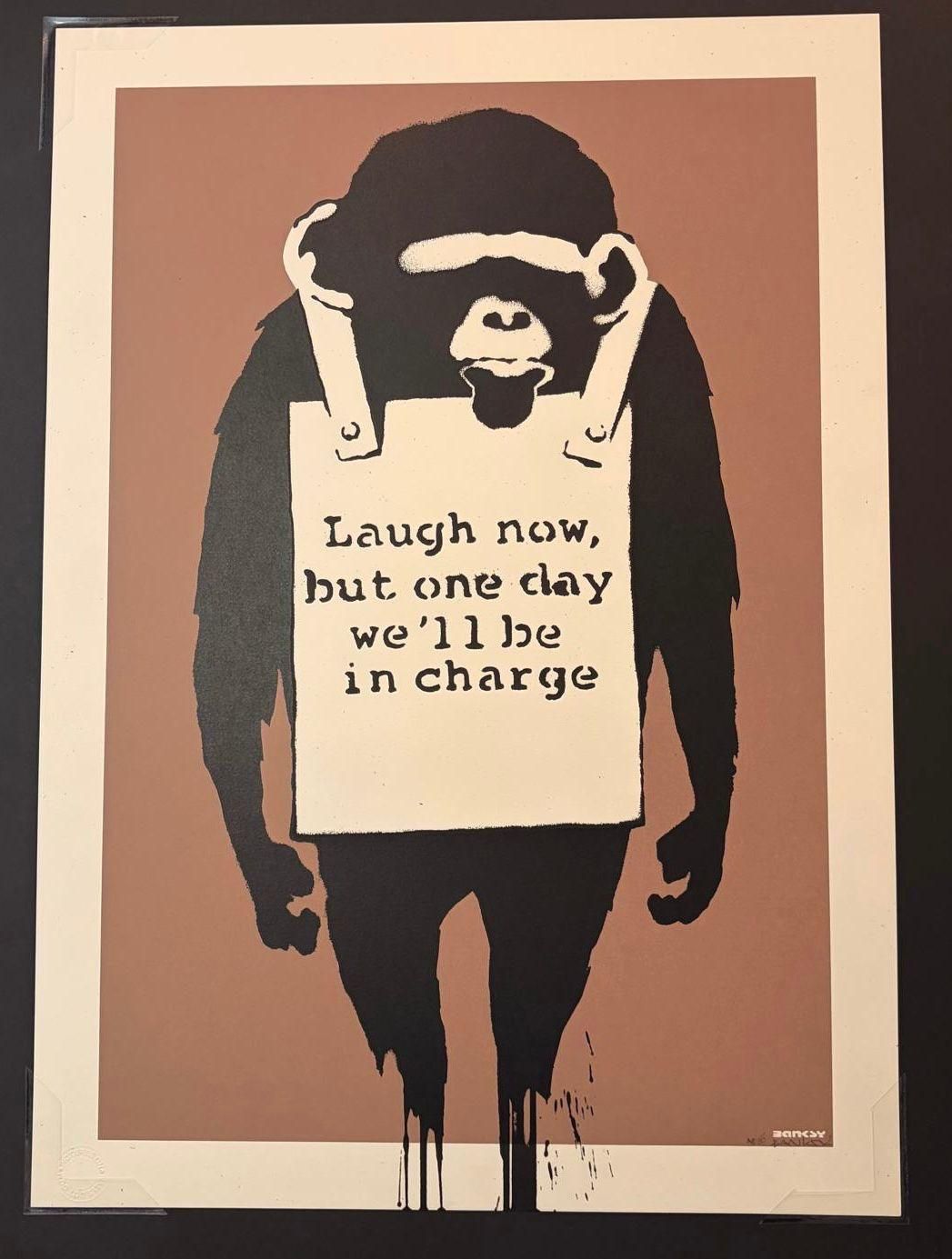
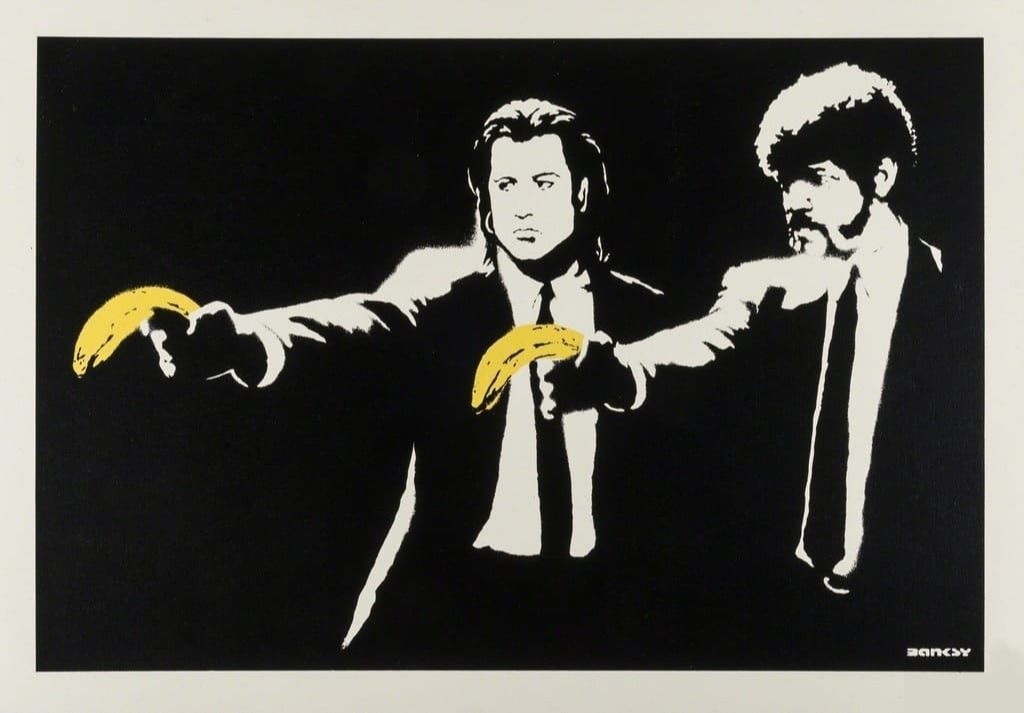
The largest source of Banksy's wealth comes from the sale of limited-edition screenprints and original artworks. During the early 2000s, Banksy released signed and unsigned screenprints through publishers such as Pictures on Walls, often in editions of 150 to 750. Across dozens of limited-edition print releases, Banksy is believed to have generated millions in primary sales. Today, his authenticated original artworks and rare signed prints are among the most valuable contemporary art investments, regularly achieving six- and seven-figure prices at auction and through private sales.
Pest control office
In 2009, Banksy established Pest Control Office, his official authentication service, to combat forgery and protect collectors. Rather than selling artwork directly, Pest Control verifies genuine Banksy prints and originals by issuing Certificates of Authenticity (COAs). Most reputable galleries, dealers, and auction houses require this certification before accepting a Banksy artwork for sale. Although no financial information has ever been released, Pest Control plays a vital role in maintaining confidence in the Banksy market, protecting the value of his artworks, and supporting long-term collector demand.
Exit Through the Gift Shop
Banksy expanded into filmmaking with the release of Exit Through the Gift Shop in 2010. The documentary follows Thierry Guetta, later known as Mr. Brainwash, and blurs the line between documentary and satire. Produced on a modest budget estimated at under $1 million, the film earned approximately $5.3 million at the global box office, in addition to revenue from streaming platforms, television licensing, and DVD sales. It also introduced Banksy's work to a far wider audience, further increasing demand for his art.
Dismaland
In 2015, Banksy launched Dismaland, a temporary dystopian theme park in Weston-super-Mare that satirized politics, consumerism, and modern society. The exhibition attracted more than 150,000 visitors during its five-week run. With tickets priced at £3 each, admission alone generated an estimated £450,000, before accounting for merchandise, books, food and beverage sales, and licensing. While the event delivered an estimated £20 million boost to the local economy, Banksy also demonstrated that immersive art experiences could become commercially successful while remaining true to his artistic vision.
The Walled Off Hotel
Opened in Bethlehem in 2017, The Walled Off Hotel combines hospitality, political commentary, and contemporary art. Marketed as offering "the worst view in the world," the hotel overlooks the Israeli West Bank barrier and features Banksy-designed rooms, an art gallery, a museum, and a gift shop. Although the hotel's financial performance has never been publicly disclosed, revenue is generated through accommodation bookings, exhibitions, guided tours, and exclusive merchandise. The project has become one of Banksy's longest-running commercial ventures while also supporting the local Palestinian economy.
Books, licensing, and official merchandise
Banksy has also generated income through officially published books, exhibition catalogues, and carefully controlled merchandise connected to projects such as Dismaland and The Walled Off Hotel. Unlike many contemporary artists, he rarely licenses his imagery for mass-market products, helping preserve the exclusivity of his brand. Although sales figures remain private, these publications and official products provide an additional revenue stream while strengthening Banksy's global reputation.
Does Banksy make money from auction sales?
Despite the record-breaking headlines surrounding Banksy's artwork, he generally does not profit when collectors resell his prints or paintings. Once a work enters the secondary market, auction proceeds are paid to the seller rather than the artist. For example, Love Is in the Bin sold for £18.6 million, while Game Changer achieved £16.8 million at auction, yet these sales did not generate income for Banksy. Instead, headline-making auction results increase public awareness, reinforce collector confidence, and continue driving demand for authenticated Banksy artworks worldwide.
In fact, when Devolved Parliament sold for a record-breaking $12,142,893, Banksy himself commented: “Record price for a Banksy painting set at auction tonight. Shame I didn’t still own it”.
Banksy may not approve of his own commercial value, but as new releases are so rare, those who want to own one of his pieces will usually have no choice but to turn to the secondary market. Current estimates suggest there are only around 30,000 authentic prints in existence, all in understandably high demand.
What Banksy's Success Means for Collectors
Banksy has built one of the most recognizable brands in the art world without ever revealing his identity. By combining anonymity with scarcity, social commentary, and carefully managed commercial ventures, he has transformed street art into a global market worth millions. Whether you're fascinated by the mystery behind the artist or considering Banksy as part of your collection, understanding how his market works is essential. To discover the editions attracting the strongest collector demand, explore our guide to the 15 best Banksy prints to buy right now. If you're evaluating Banksy as a long-term asset, our comprehensive Banksy investment guide explains market trends, authentication, and the key factors that influence value before you buy.
Build Your Banksy Collection with Confidence
Banksy's market rewards authenticity, rarity, and informed buying decisions. ArtLife offers access to verified Banksy prints and original artworks, with expert guidance throughout the acquisition process.