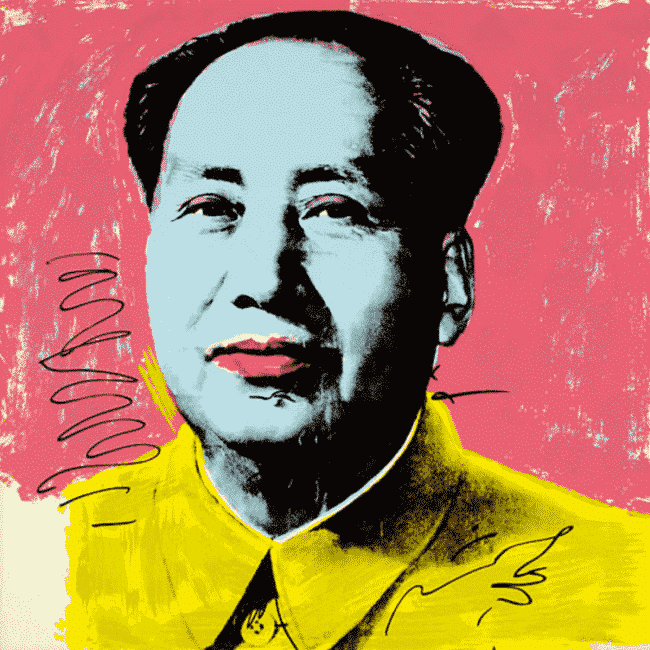
Should You Invest in Andy Warhol? What 2026 Tells Buyers for 2027
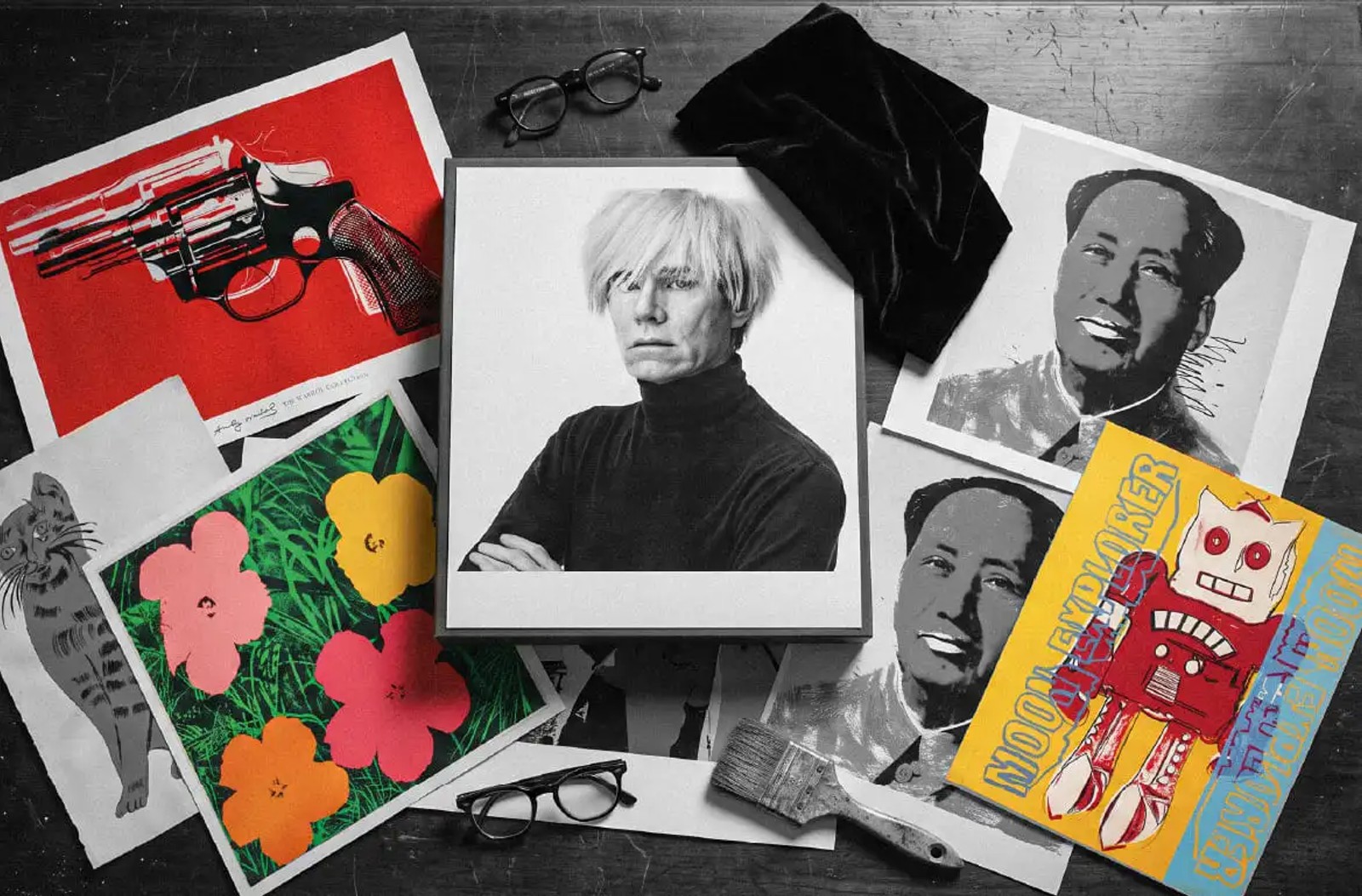
Should You Invest in Andy Warhol
Warhol is the first name many people mention when they talk about art as an investment. He is known all over the world, he made thousands of works and something of his comes up at auction almost every week.
Fame has not protected every buyer, though. In 2018 a collector paid $33.5 million, before fees, for Double Elvis [Ferus Type] at Christie’s. In May 2026 the same canvas hammered in the same saleroom for $23 million.
So is Warhol still worth buying? Should you start with a print or a painting, and what kind of return is realistic as 2027 begins?
Investing in Andy Warhol: Key Facts at a Glance
In five points, this is where his market stands after the 2026 sales:
- Paintings: The record is $195 million, paid in 2022 for a 1964 portrait of Marilyn Monroe.
- Prints: Good Marilyn sheets from 1967 sell for six figures. Complete portfolios cost millions.
- Returns: Even famous canvases can sell at a loss.
- Costs: Buyers pay a premium on top of the hammer price. Sellers may pay a commission as well.
- Authenticity: The Warhol Foundation stopped authenticating works in 2012. Today, the paperwork and the seller’s guarantee are your proof.
How Much Are Andy Warhol Paintings Worth?
What does a Warhol painting cost? The best canvases from the early and mid-1960s, the years of the Marilyns, the Elvis pictures and the car crashes, can pass $20 million. Small Flowers canvases and works on paper come up far more often and cost much less. Six 1964 Flowers, each 5 inches square, sold together for $2.2 million with fees at Sotheby’s in May 2026.
The record came in 2022, when Shot Sage Blue Marilyn (1964) sold at Christie’s for $195 million. No American artist has gone higher at auction. The story behind that portrait and his other famous pictures is in Andy Warhol’s top 10 paintings.
The early work is still what top buyers want. On the same May evening as Double Elvis, Christie’s sold Do It Yourself (Violin) (1962), one of his paint-by-number pictures, for $25.9 million with fees. The buyer was the dealer Jeffrey Deitch.
Then there are the canvases he painted with Jean-Michel Basquiat in the mid-1980s, a story ArtLife tells in its article on the Warhol and Basquiat collaboration.
Investing in Andy Warhol Prints
The easiest way into Warhol is a screenprint. Good impressions from the famous series, printed in editions of a few hundred sheets, bring six figures at auction. If your budget is smaller, look at later editions and less famous subjects.
The benchmark is the Marilyn Monroe portfolio of 1967, 10 screenprints of the same face in different colors, published in an edition of 250, with 26 artist’s proofs. It was the first portfolio from Factory Additions, the print company Warhol had founded a year earlier. In April 2026 Christie’s offered six proofs of those prints with an unusual history. Warhol had given them as a thank-you to Dr. Giuseppe Rossi, who operated on him after he was shot at his studio, the Factory, in 1968 and kept him alive. The best of the group made $406,400. The other five brought between $114,300 and $381,000.
Does a story like that explain the price? Only in part. The same week, Sotheby’s sold a Marilyn with no famous provenance, the color version catalogued as Marilyn Monroe II.26, for $217,600, well above its high estimate of $120,000. Read the condition report closely, too. When another impression of the same color version sold for $151,200 at Sotheby’s in October 2021, its report listed a soft crease along one edge and small nicks on the lower edge.
Complete sets cost far more. In May 2026 Sotheby’s sold the 10-print Ads portfolio of 1985, number 57 of 190, for $2.9 million, within its estimate of $2 million to $3 million.
The standard reference for his prints is Andy Warhol Prints: A Catalogue Raisonné 1962–1987 by Frayda Feldman and Jörg Schellmann (F&S). Dealers use its numbers to name each sheet. “F&S II.31” means one specific color version of Marilyn.
Watch out for sheets stamped “Published by Sunday B. Morning.” Two printers in Belgium produced them in 1970 with materials Warhol had supplied for a second Marilyn series. He changed his mind and tried to stop the project, but production went ahead. When someone brought him one, he signed it with the note “This is not by me. Andy Warhol.” The company has changed owners over the years and still prints them today.
Signatures, stamps and the different types of proof are covered step by step in How to Buy Your First Andy Warhol Screenprint.
What Kind of Long-Term Returns Can You Expect With a Warhol?
So what can you actually earn? It depends above all on what you paid. A famous canvas can still lose money. Double Elvis hammered for $10.5 million less in 2026 than at its previous sale in 2018.
The market itself was strong. Christie’s auction sales reached $3.5 billion in the first half of 2026, up 71%, while Sotheby’s rose 59% to $3.4 billion. Even so, not every Warhol went up with it.
Then come the costs. The auction house adds a premium for the buyer and may take a commission from the seller when the work goes back on sale. Insurance, framing and storage keep adding up while you own it. ArtLife’s guide to collecting and investing in art lists the current buyer’s premiums at the major houses.
Warhol does have one advantage over rarer artists. His prints sell so often that you can follow how a series performs season by season and pick a sale where comparable sheets did well.
What Moves the Price of a Warhol?
Why does one Marilyn sell for twice as much as another from the same portfolio? Usually it comes down to these details:
- Series: The best-known images, such as Marilyn, Mao and Campbell’s Soup, usually cost the most.
- Color version: Within one portfolio, some colorways sell for far more than others.
- Proofs: Trial proofs were printed in unique color combinations, so no two are alike.
- Provenance: A documented history can add to the price. In the Rossi sale, though, the color version made the bigger difference.
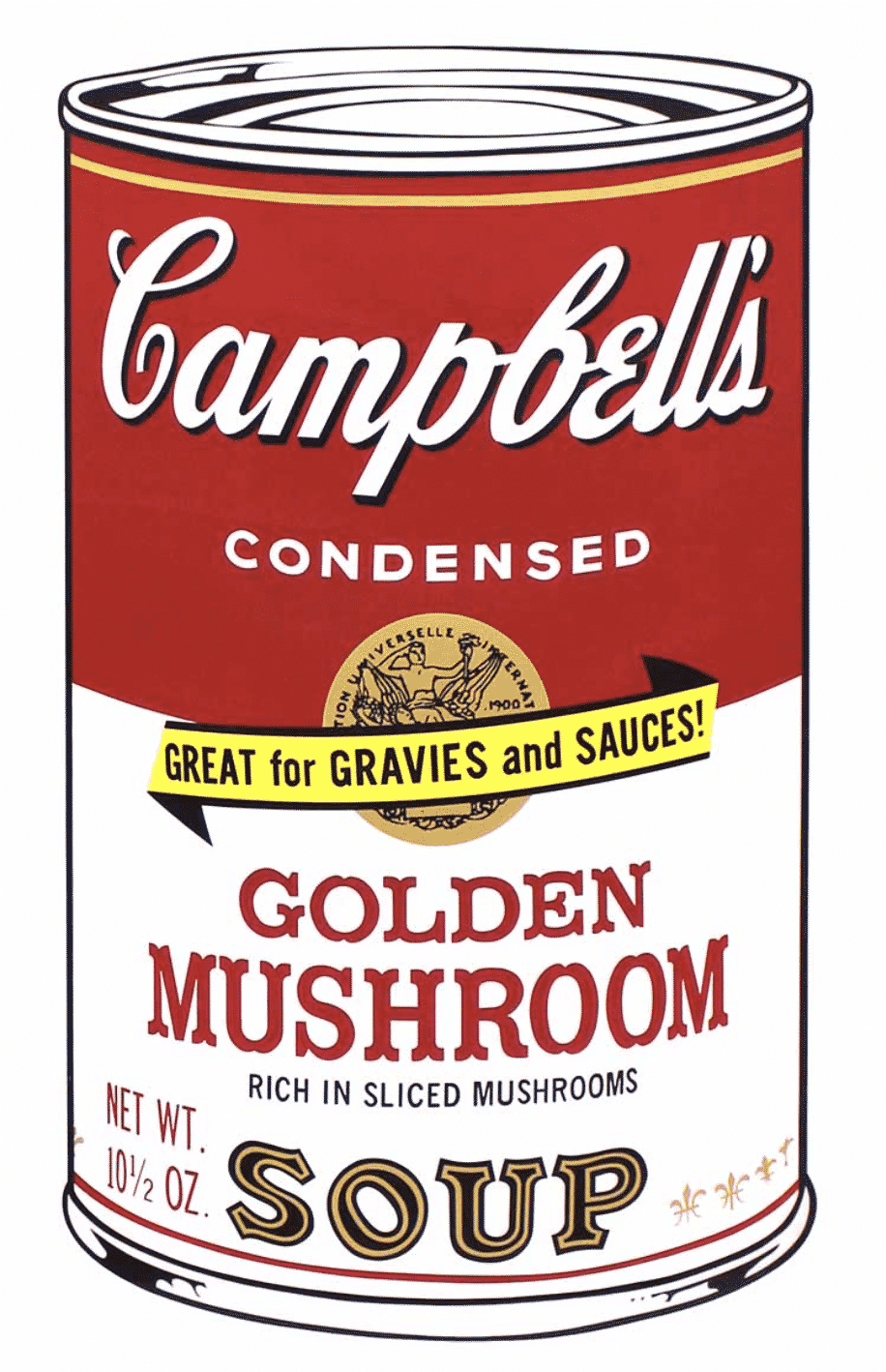
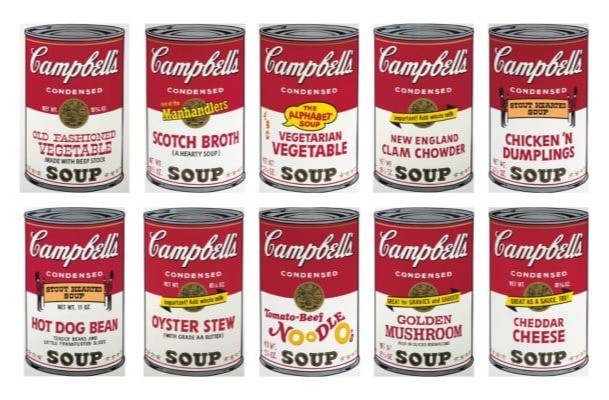
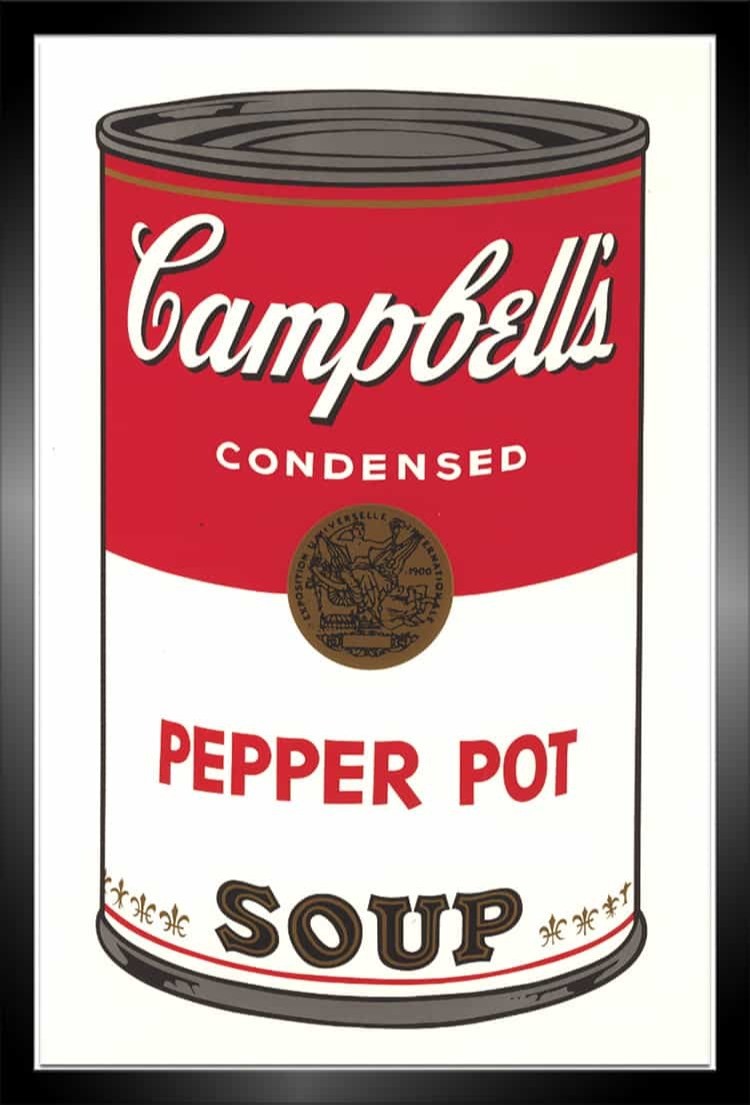
Edition size counts for less with Warhol than with most printmakers, because his main portfolios came in similar runs. The Marilyn Monroe portfolio of 1967, Campbell’s Soup I from 1968 and Mao from 1972 were each published in editions of 250. Endangered Species followed in 1983 with 150 sets. Inside those runs, demand for the image decides the price.
5 Warhol’s Biggest Risks for Buyers
The risks with Warhol are no secret. Each has a simple check:
- Supply: Warhol made thousands of works, many of them in print editions of 250 sheets. Broad demand keeps prices up, but it can soften for a whole series at once.
- Authentication: The Andy Warhol Foundation shut down its authentication board in early 2012 after years of legal fights over its decisions. Its president, Joel Wachs, told The Art Newspaper that the foundation’s aim was “to serve scholarship and not the market.” Buyers now rely on the catalogue raisonné, the publisher’s stamps, the provenance and the seller’s guarantee.
- Guarantees: Many major lots go to auction with a promise from the auction house or an outside backer to buy the work at an agreed price if bidding falls short. The seller is protected, yet the final price can end up close to the minimum.
- Condition: Large flat areas of ink reveal every scuff or fingerprint, and daylight fades the brighter colors. Check whether a sheet has been restored before you buy it.
- Fakes: Unauthorized prints circulate alongside the real ones. Request the F&S number, a condition report and pictures of the front and back, so you can check the signature and the stamps.
Nico Hayes, senior director at ArtLife, often points first-time buyers to the quieter portfolios: “People see Marilyn and want the most famous face straight away. I get it, but some of the best buys right now are the less obvious portfolios, like the animals he did for Endangered Species. They’re beautifully printed, the editions are well recorded, and you’re not paying extra for the most recognizable image in pop art.”
Warhol Paintings Versus Warhol Prints
For most buyers, the answer is a print. Each sheet has its own catalogue number, the same image comes up several times a year and recent prices are easy to find. Insurance and framing stay affordable. Selling through a gallery or a print sale is routine.
Paintings are where the big gains and the big losses happen. Because each canvas is unique, its price depends on the exhibition history, the past owners and the opinion of specialists who know his paintings well. Fewer buyers can compete at that level, and a sale can take months. Budget for a condition report, a provenance review and higher insurance from day one.
Should You Invest in Andy Warhol Art?
Who should buy Warhol, then? Someone who chooses documented pieces from his main series, pays close to recent results and can live with prices falling for a while. Anyone who needs the money back soon, or expects every famous image to go up, should look elsewhere. Whatever you decide, set a budget before you start looking.
His market draws buyers from around the world. Warhol’s global following also puts him near the top of blue-chip artists to collect and invest in.
Avery Andon, chief executive of ArtLife Gallery, thinks Warhol’s constant sales work in the buyer’s favor: “Warhol is one of the few artists where you can check the market almost every week. Something of his sells somewhere all the time, so you always have a rough idea of the price. It also means you find out quickly if you overpaid. I tell people to buy the image they’d still want on the wall even if prices stayed flat for 10 years.”
Collecting Warhol With ArtLife
ArtLife offers Andy Warhol’s signed screenprints and complete portfolios. Works listed include a Marilyn Monroe screenprint, the complete Campbell’s Soup I portfolio, the full Mao set, and San Francisco Silverspot Butterfly from Endangered Species. Already own a Warhol? ArtLife can value it free of charge.
Frequently Asked Questions
Is Andy Warhol a good investment?
Demand for Warhol is global, and few artists sell at auction more often. That does not protect the price. Documented pieces from his main series, bought close to recent results, are the safer choice. Even Double Elvis sold at a loss in 2026.
How much is a Warhol print worth?
The series and the color version set most of the price, followed by condition. At auction, signed Marilyn Monroe sheets from 1967 in good condition usually pass $100,000. Complete portfolios can bring millions, while smaller subjects and later editions cost far less.
What is the most expensive Warhol ever sold?
The top price belongs to Shot Sage Blue Marilyn, a 1964 portrait that Christie’s sold in New York in May 2022 for $195 million with fees, a record for any American artist. Several of his car crash and Elvis paintings have also passed $50 million.
How do I know a Warhol print is genuine?
Check the sheet against its Feldman and Schellmann catalogue entry, then inspect the signature, the stamps and the edition number. Ask the seller for provenance and a written guarantee. Since the foundation stopped authenticating in 2012, expert dealers and auction specialists judge doubtful works.
Which Warhol portfolios have the strongest auction record?
The Marilyn Monroe portfolio of 1967 is the usual benchmark. In 2026 a sheet with no special history made $217,600 at Sotheby’s. Complete sets bring more, such as the Ads portfolio of 1985 at $2.9 million. A documented history can help, though color often matters more.
Ready to Invest in Andy Warhol?
Explore original Andy Warhol works with ArtLife Gallery. Our team can help you assess available pieces, understand their market value and make an informed purchase. Get in touch to learn more.