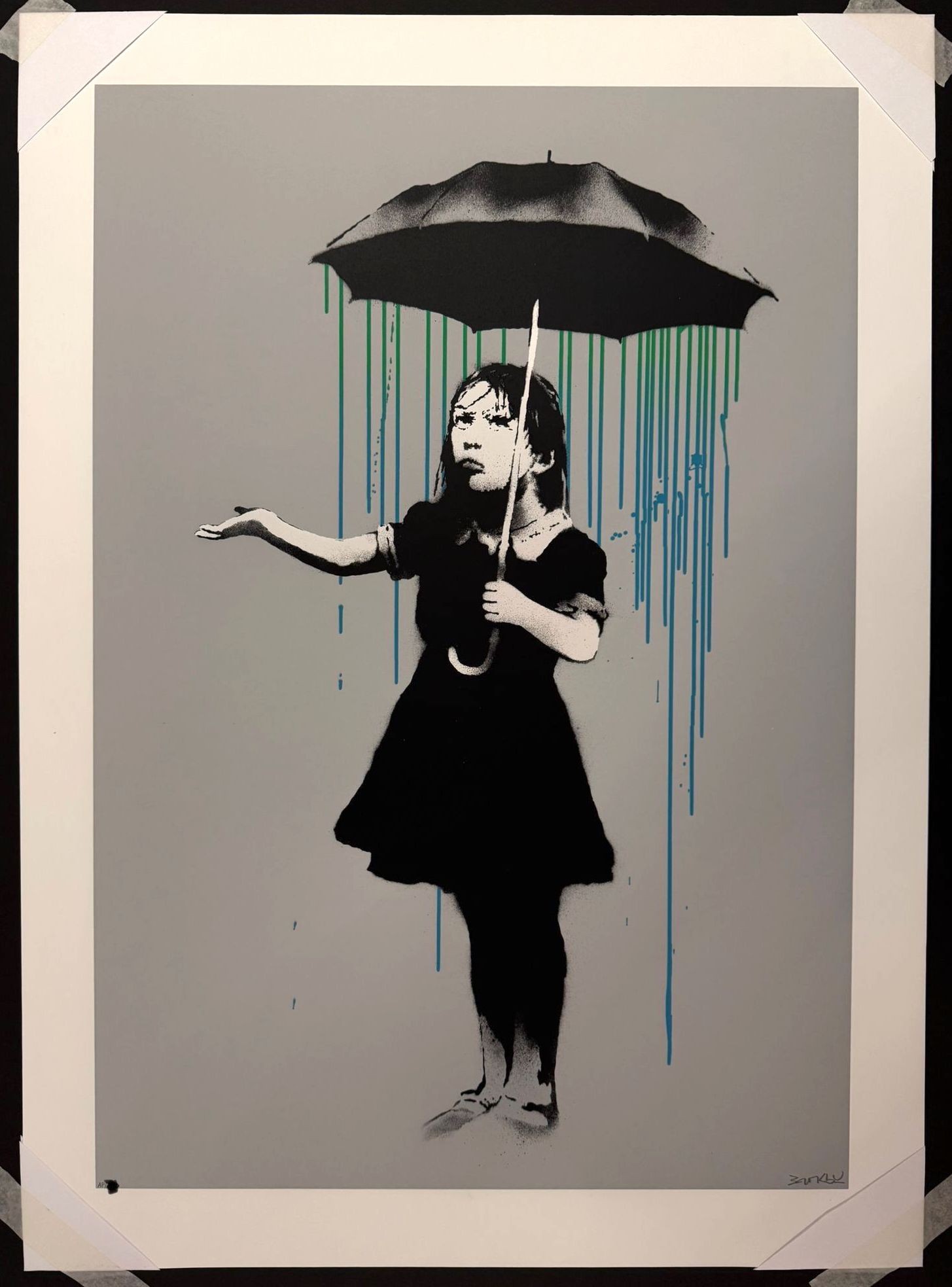
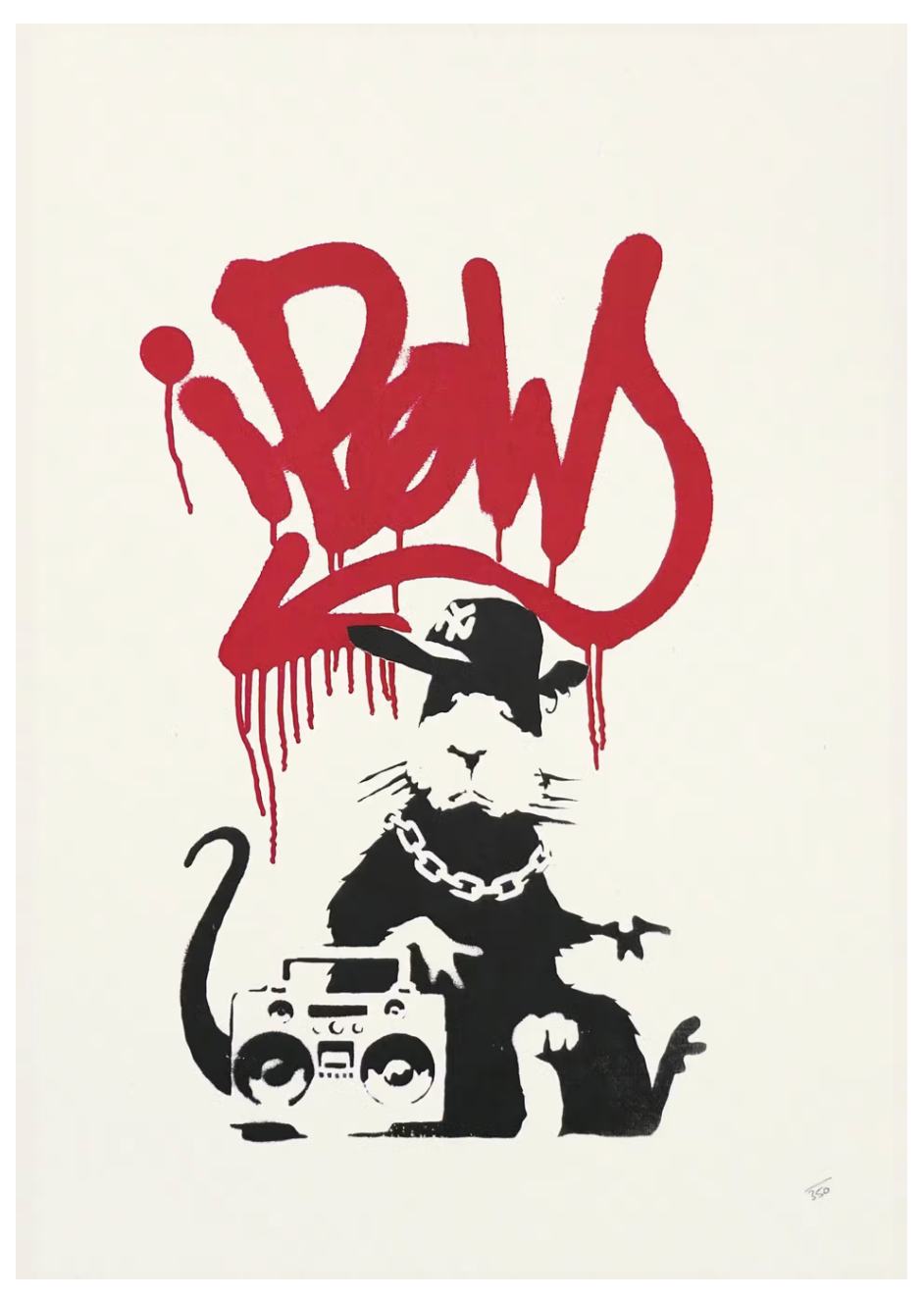
Signed vs Unsigned Banksy Prints Explained
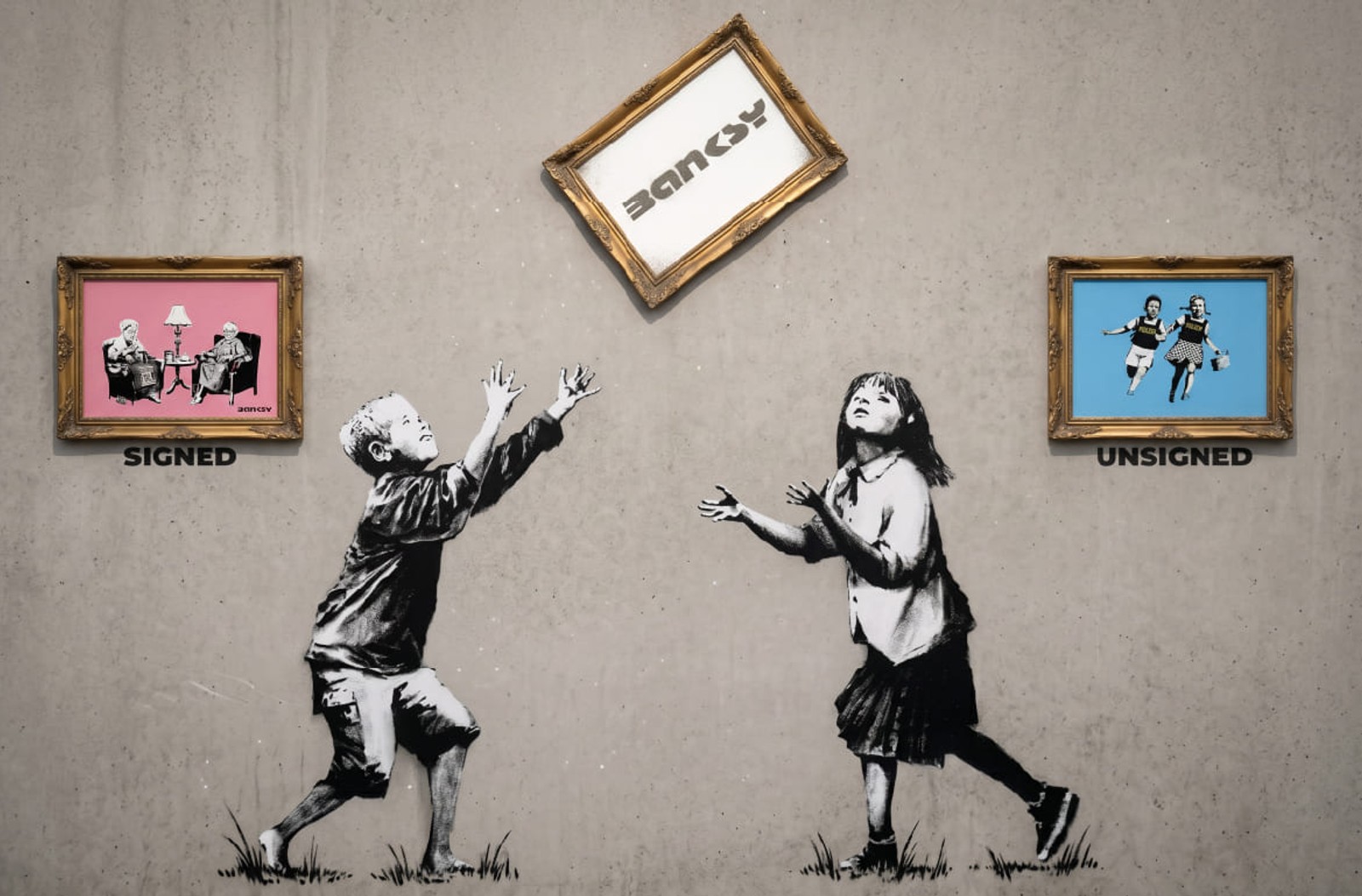
Signed vs Unsigned Banksy Prints Explained
Every Banksy buyer eventually faces one decision: pay more for a signed print, or pay less for the unsigned version of the same image. The signature changes price, rarity, and sometimes resale value, but not the picture itself. The right choice comes down to knowing exactly what you want the asset to do.
Are Signed Banksy Prints Really Worth the Premium?
The answer depends on how you define value. The premium pays for extreme scarcity and a direct physical link to the artist. If holding a prestige asset is the objective, the higher acquisition cost is justified. If the goal is simply buying an authenticated screenprint of Banksy’s imagery for display, the unsigned tier fulfills that exact need at a fraction of the cost.
The collector’s dilemma
Both formats are genuine Banksy editions, so neither choice is wrong. One buyer wants the rarest object, with the artist’s hand on it, and will pay for the signed edition. Another cares mainly about the image and the price, and is content without it. Knowing which of those two buyers you are settles the question.
Growing interest in Banksy collecting
The collector base keeps expanding, with most new buyers starting at the entry level. The Artnet Intelligence Report 2026 highlights that digital platforms are bringing in a massive wave of fresh capital, with Christie’s reporting 63 percent of its new buyers in 2025 entering the market entirely online.
In the Banksy space, these newcomers naturally target the more affordable unsigned editions first. As they build confidence, they trade up to the premium autographed tiers, keeping demand steady across the board.
"The findings in the Artnet Intelligence Report align closely with what we've experienced at ArtLife Gallery. We're seeing a steady increase in first-time collectors, particularly those buying online. And Banksy is often their entry point. As their confidence grows, many begin exploring rarer signed editions and higher-value works. Digital platforms have made art more accessible, bringing a new generation of buyers into the market every year." - Nico Hayes, ArtLife's Senior Director.
How the choice shapes enjoyment and returns
This decision affects your upfront cost and future resale options. A signed proof anchors a collection and historically maintains long-term pricing. The larger unsigned edition requires a smaller initial investment while retaining strong market demand. The correct strategy aligns with your timeline and financial goals.
What is a Signed Banksy Print?
A signed Banksy print is a limited-edition artwork personally signed by the artist. Although Banksy continues to stay anonymous, his signature significantly increases a print's rarity and desirability. Produced in much smaller editions than unsigned versions, signed prints typically command higher prices and are highly sought after by collectors.
If you're new to the artist, learn more about who Banksy is, the story behind him, and how he changed art, culture, and marketing.
How Banksy signed his editions
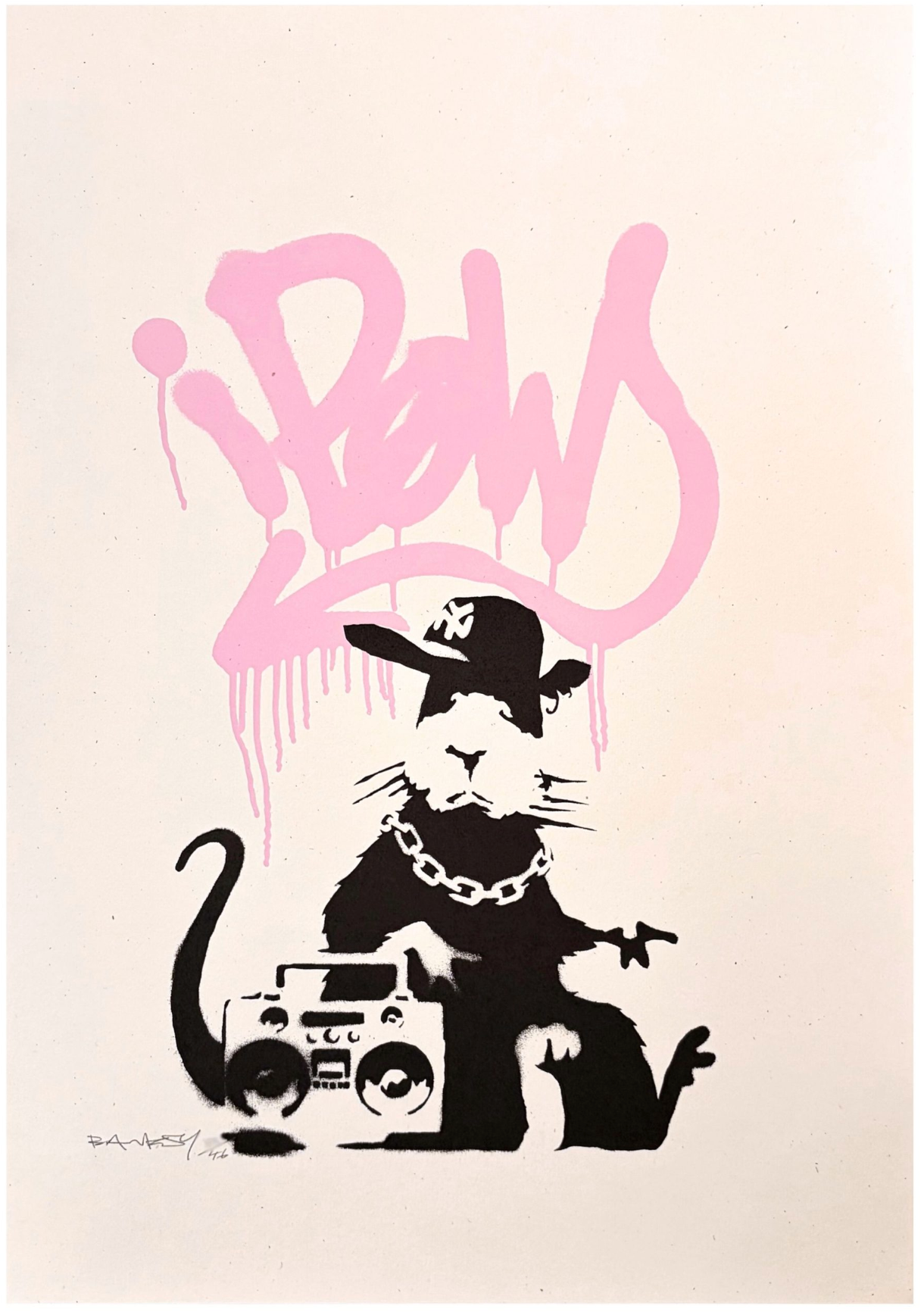
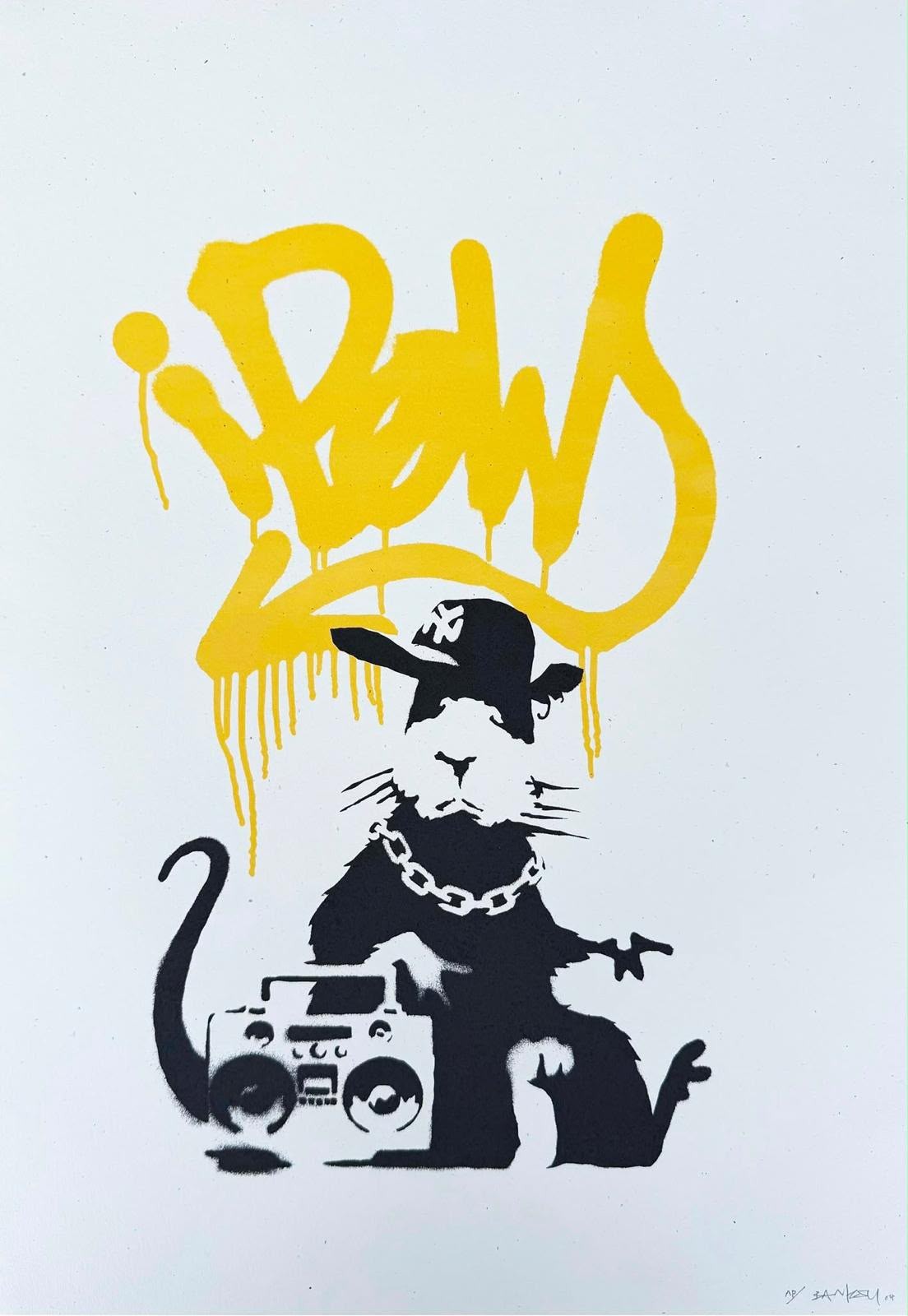
Banksy signs in pencil, usually in the lower right corner, with the edition number written separately on the sheet. On some early prints he used a red stenciled tag in place of a handwritten name. Artist’s proofs carry the same signature but are marked “AP” and not with a standard number.
Typical signed edition sizes
The hand-signed group is always small. Girl With Balloon ran to 150 such sheets against 600 plain ones, plus 88 APs. Other releases were tighter still, capping the premium run at just fifty copies. As a rule, the autographed tier is a fraction of the larger one, and that gap is the main reason it commands a premium.
Why collectors pay more for signatures
A signature changes the object completely. The pencil mark guarantees the artist held the paper. It removes the distance between the printing press and the studio. Purists write the larger check strictly to own a piece of the artist’s time.
What is an Unsigned Banksy Print?
An unsigned print is a genuine limited edition that left the studio without a handwritten signature. It is made on the same press and paper as the signed version, approved by the artist and fully eligible for Pest Control authentication. The visual image and production quality are identical. The missing signature alters market rarity and entry price, but never the authenticity.
Why Banksy released unsigned editions
Banksy made affordability part of his identity from the start. Large printings put genuine work within reach of ordinary buyers, bypassing traditional fine art gatekeepers. That choice aligned with his anti-establishment stance and built the deep secondary market his prints possess today.
Common misconceptions about unsigned prints
The biggest misunderstanding is that unsigned prints are somehow unofficial. They come from the exact same print run and use the same materials as the signed copies. Buyers also worry they won't hold value, but years of auction results show otherwise. What a buyer should actually check is whether the certificate transfers correctly at the point of sale.
Signed vs Unsigned Banksy Prints at a Glance
The differences reduce to rarity, price, and access. Signed prints are scarcer, more expensive, and beyond many budgets, while the standard ones cost less and are easier to acquire. Both perform well and both stay liquid, and authentication carries the same weight for either one. Here is the baseline.
| Factor | Signed | Unsigned |
|---|---|---|
| Rarity | Higher | Lower |
| Price | Higher | Lower |
| Accessibility | Lower | Higher |
| Investment potential | Strong | Strong |
| Liquidity | High | High |
| Entry cost | Expensive | More affordable |
Why do Signed Banksy Prints Cost More?
Signed Banksy prints cost more simply because there are very few of them in existence. The studio stopped producing new editions years ago, leaving a strictly fixed number of autographed sheets in circulation. Whenever one appears, intense competition among buyers naturally drives the price up.
Scarcity and market psychology
Pictures on Walls shut down in 2017, and with it the primary supply closed for good. A permanently fixed inventory means major dealers and auction houses compete hard for whatever surfaces. That pressure holds the price at a level the standard editions simply do not match.
Collector demand
Demand concentrates at the top. The most committed buyers compete hardest for hand-signed work, and when two of them want the same lot, the price rises fast. A Pest Control certificate guarantees the piece to those bidders, which increases the number of people willing to pay a premium.
Historical price premiums
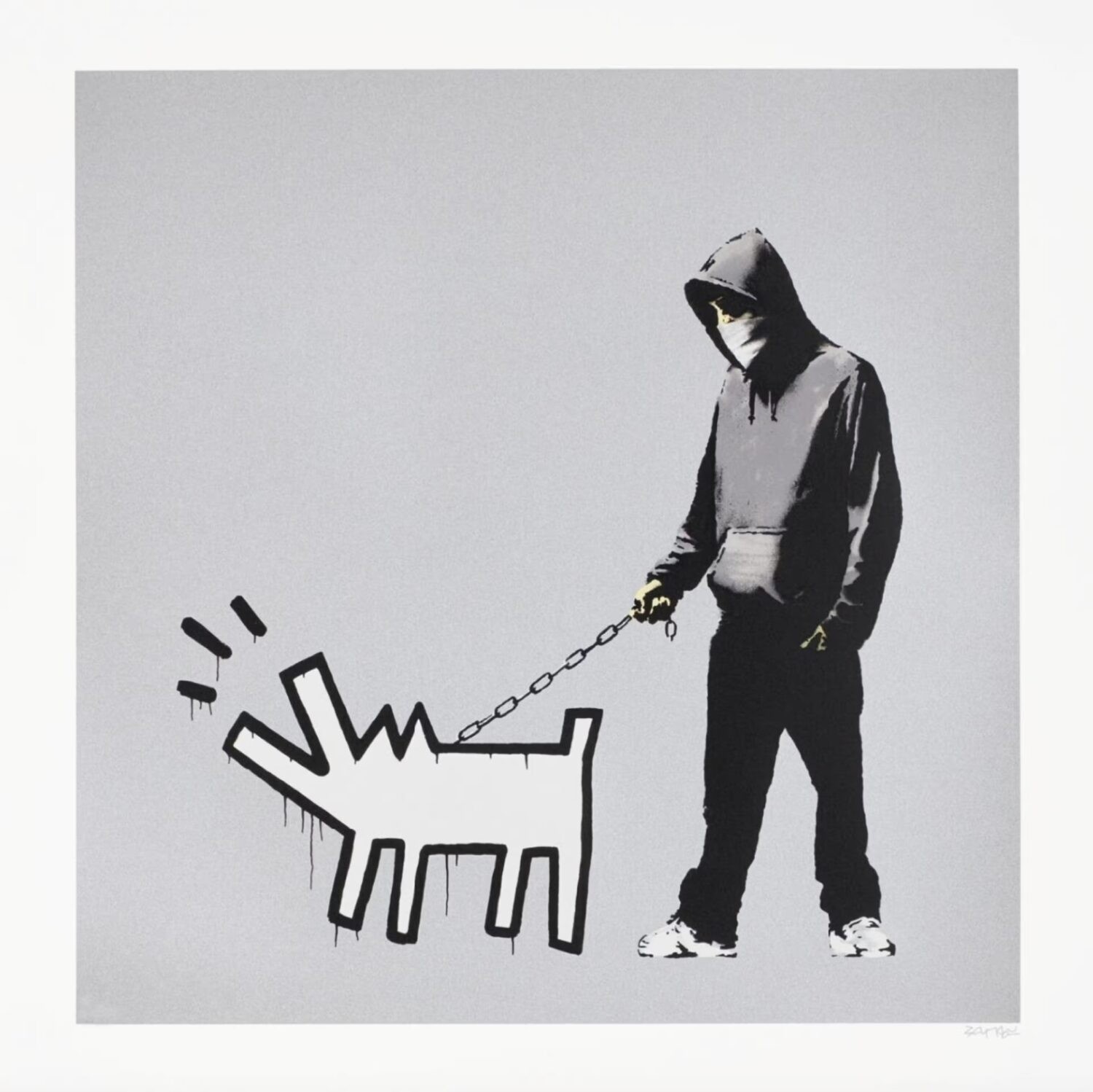
The numbers make the gap concrete. A gold artist’s proof of Girl With Balloon reached $1.5 million (£1,104,000) at Sotheby’s, and a Fluoro Green Choose Your Weapon, also signed, brought $420,336 (£302,400). Unmarked versions of the same images sell far lower, and only in an unusually strong market does the distance between them narrow.
Does a Signature Actually Make a Better Investment?
Not necessarily. A signed print usually appreciates more in absolute dollars and is steadier, which favors a buy-and-hold investor. The lower-priced version, bought for far less, can deliver a higher percentage return. Which one wins depends on whether you judge success by total dollars gained or by rate of return.
Historical market performance
Over the past decade, the costlier tier has held the highest prices and recovered first after each downturn. The shredded Love Is In The Bin canvas set Banksy’s overall record at $25.4 million (£18.58M) in 2021. Those issues follow the same pattern from a lower base, and they can outperform expectations. In 2026, an unsigned Applause reached $128,700 (£96,000) at Sotheby’s.
Growth potential vs entry cost
The lower price point makes it easier for unsigned prints to deliver a strong percentage return. A double in value is more realistic at a lower base, while autographed sheets already sell at significant multiples, making the same percentage gain much harder to achieve.
Return on investment considerations
The signature is only one input. Edition size, the popularity of the image, condition, and timing each shape the outcome. A signed example of a minor image can lag a famous, more common one, so a careful buyer weighs every variable, not the autograph alone.
The Most Important Factor: Authentication
Authentication outranks every other factor here. A Pest Control certificate is what most affects price, resale, and buyer confidence, because it proves a work is genuine and lets a future owner confirm its history. A signature adds value, but it counts for little without that certificate behind it.
What is Pest Control?
Banksy set up Pest Control as the only recognized verification board for his work. Their system is famously analog and practically impossible to fake. Every Certificate of Authenticity comes with a torn half of a fake “Di-Faced Tenner” banknote. The studio keeps the matching half locked in its archives.
Why authentication matters more than a signature
A pencil mark means nothing to the secondary market. Top auction houses demand official paperwork before they even look at a piece. Buyers ultimately pay for the certificate to ensure the print holds its value.
Common fake Banksy print red flags
A few warning signs come up repeatedly. There is no Pest Control paperwork, or the seller refuses to confirm a transfer of ownership. The asking price sits well under the going rate. The history is vague or impossible to verify. A 2026 federal case in New York, which pushed counterfeit Banksy prints into the trade, shows why each check matters.
Questions to ask before buying
Never wire money without clearing these hurdles: Does the print come with a Pest Control certificate? Will the seller confirm the change of ownership with the office? What is the documented sale history? And how does the paper grade for condition? Clear answers safeguard both your money and your eventual resale.
Top Banksy Prints Available as Signed and Unsigned Editions
Many of Banksy’s best-known artworks appeared in both formats, which gives the same picture two price points. These five pieces currently dominate both sides of the market.
His best-known image shows a child reaching toward a drifting heart-shaped balloon. The signed format sits at the top of the range, while the standard unautographed sheets are the usual entry point, trading for a small fraction of the premium tier.
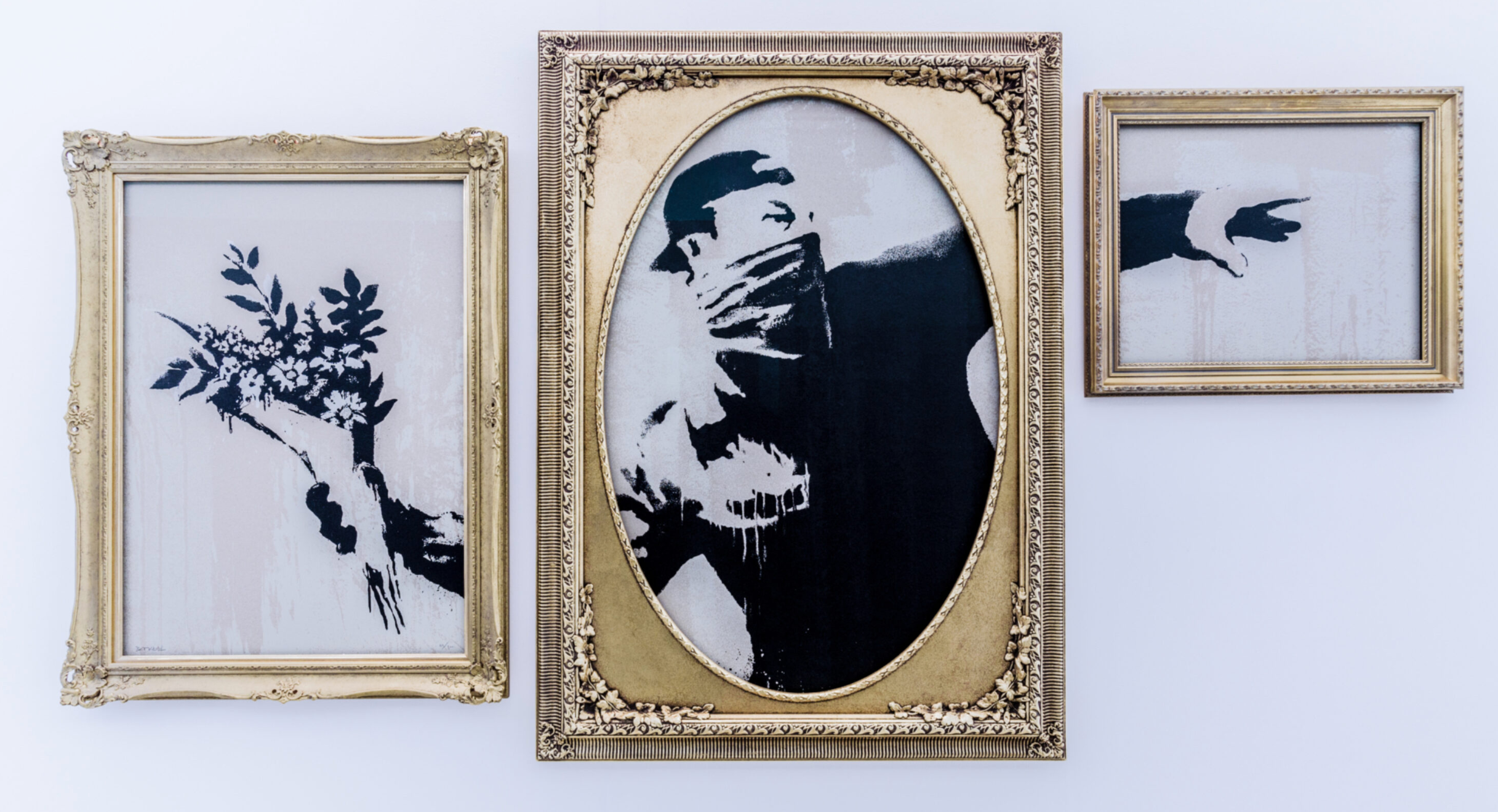
Also called the Flower Thrower, it depicts a masked protester throwing a bouquet. The print ran to a numbered edition of 500, plus 27 exclusive proofs, in both formats. The original painting sold for $12.9 million at Sotheby’s, and the prints are among the strongest sellers of his career.
A hunched monkey wears a sandwich board reading, "Laugh now, but one day we’ll be in charge." It came out in both formats and ranks among his earliest market images. The signed version carries the premium, while the budget version offers a lower-cost route into his early period.
A deliberately provocative portrait of Queen Victoria, aimed at her record on gay rights. It appeared in 2003 in a signed edition of 50 and a plain edition of 500, one of his more limited releases. Christina Aguilera bought a copy in 2006, which added to its early notoriety.
A Madonna and child in which the infant feeds from a bottle labeled as poison. The larger edition of 600 is the accessible version, with a smaller autographed group above it. The pointed message keeps interest steady among buyers looking for his classic anti-establishment edge.
Some of these iconic images originated as public murals before becoming collectible prints. So you can still see Banksy's original street art in New Orleans, Los Angeles, Paris, Bristol, and other cities.
Who Should Buy a Signed Banksy Print?
You step up to a signed edition when your focus shifts from just owning the image to securing a serious, long-term asset. Yes, the upfront cost is significantly heavier, but in exchange, you lock in absolute exclusivity and the most commanding position possible whenever you decide to sell. This tier rewards patience over quick profit.
- Serious collectors. Experienced collectors buy the signature to build a legacy. When it comes time to exhibit the art or sell a lifetime collection, the major players look for the autographed sheets. Those are the pieces that prove you are holding a premier portfolio.
- Long-term investors. Hand-signed prints are the blue-chip end of this market. They do not drop as hard as the cheaper editions when the economy stalls. If a buyer needs to commit serious capital and wants an asset that holds its price over a decade, these are the pieces they buy and keep in storage.
- High-net-worth buyers. Larger budgets reach the top of the market. Hand-signed proofs and rare colorways have sold into six and seven figures. At that level, an independent condition report and airtight provenance separate a strong purchase from a costly error.
- Buyers seeking scarcity. If you want to own something almost no one else can have, you go straight for the signature or the absolute tightest print runs. That extreme scarcity is what the premium actually covers, and it is the main reason these pieces tend to hold their price when the wider market softens.
Who Should Buy an Unsigned Banksy Print?
These work well if you want authentic Banksy art on your wall without paying the full signature premium. The barrier to entry is lower, they trade hands more frequently, and the resale market remains highly active. They are a solid starting point for first-time buyers, tighter budgets, or anyone who cares more about the image than the signature in the corner.
- First-time Banksy collectors. A certified unsigned print is a strong first purchase. You get a genuine Banksy of a recognizable image, an active resale market, and a low-pressure way to learn how the auctions work before committing to a costlier sheet.
- Budget-conscious investors. Standard editions move fast. Because the price point fits a much wider pool of buyers, you never have to wait months for the right collector to walk in. If you need to turn the art back into cash quickly, these pieces rarely sit on the market for long.
- Fans focused on the artwork rather than the status. Many people buy these prints simply because they enjoy the artwork. The standard edition fits perfectly into a personal space. The composition remains identical, delivering the exact same image without the added weight of collector premiums.
- Diversified art investors. Within a spread-out portfolio, unsigned prints add liquid, recognizable exposure at a manageable cost. Their large supply means you can buy and sell without long delays, which helps when you want to rebalance or take some profit.
Not sure which Banksy print to choose? Read our guide to the 15 best Banksy prints to buy right now for expert insights into the market's most sought-after editions.
Signed vs Unsigned Banksy Prints: Which Should You Choose?
Choose a signed print if you want the scarcest version and the firmest hold on value, and can pay the premium. Choose an unsigned one for a lower price, easy resale, and better percentage upside. Either way, neither path is safe without a Pest Control certificate.
- If your goal is investment, split the portfolio in two. Lock the signed piece in a vault to build generational value. Use the standard prints to trade. Unsigned sheets give you the liquidity to move cash around without touching the foundation of your collection.
- If your goal is to collect, signed prints are the way to build a serious collection. If you want an inventory that auction houses take seriously and other dealers respect, you need autographed sheets and top-tier proofs to give it true industry weight.
- If your goal is to display art you love, hang an unsigned print right next to a signed one, and they look identical from two steps back. The massive premium you pay for the autograph lives entirely on the ledger, not on the wall. If the goal is simply to look at the artwork every day, the standard edition does the exact same job.
You pay the premium for absolute scarcity and a safer long-term hold. You take the unsigned route for a lower entry cost and a faster resale. Both decisions share one requirement: the Pest Control certificate. Without it, the asset has no standing in the secondary market.
"In my experience, there isn't a universal 'better' choice—only the right choice for the collector. If you're focused on rarity and long-term prestige, a signed Banksy print is hard to beat. If you're entering the market or looking for stronger value at a lower price point, an unsigned edition can be an equally rewarding investment." - Avery Andon, Contemporary Art Collector and Founder of ArtLife Gallery.
Want to learn whether Banksy is a smart long-term investment? Read our Banksy Investment Guide to explore market trends, price performance, and expert tips for building a successful Banksy collection.
Frequently Asked Questions
Are unsigned Banksy prints authentic?
Yes. These are official releases that left the studio exactly as the artist intended, just without a handwritten mark. They share the same production quality, paper, and print weight as the premium tier. The market treats them as fully legitimate assets, provided the official verification paperwork is in order.
Do signed Banksy prints always increase in value?
Not at all. Art is a volatile market, and these assets can certainly lose momentum during broader economic downturns. While top-tier pieces generally hold firm over decades, short-term flips are risky. Your final return relies entirely on when you sell, the physical condition of the sheet, and current global demand.
Is Pest Control certification required?
It is strictly mandatory. Serious buyers will not consider a piece without it, and most reputable auction houses require it before accepting a consignment. Without the certificate, the print cannot be confirmed as genuine and will not sell at a competitive price.
Which Banksy print is best for beginners?
Start with a standard edition of a well-known image like Laugh Now or Toxic Mary. That keeps the outlay modest while you learn how auction cycles work and build relationships with dealers. It is also an asset that moves easily when you are ready to upgrade.
Are signed Banksy prints easier to sell?
They command serious attention from the top end of the market. A rare autographed sheet at auction draws a focused group of buyers willing to move fast. Well-known unsigned releases sell quickly too, because the price fits a wider field. In either case, condition and image recognition are what close the sale.
Can an unsigned Banksy print outperform a signed one?
Yes. A lower entry price makes percentage returns easier to achieve. Premium sheets already trade at significant multiples of their original cost, so the same percentage gain requires a far larger absolute price increase from a higher base. Unsigned editions start lower, which means even a modest upturn can produce a meaningful return.
Looking to Buy a Banksy Screenprints?
Browse our curated collection of authenticated Banksy screenprints, including signed and unsigned editions. Our specialists can help you find the right artwork to match your collecting goals, budget, and investment strategy.