Top 10 Blue-Chip Artists to Collect and Invest in 2026
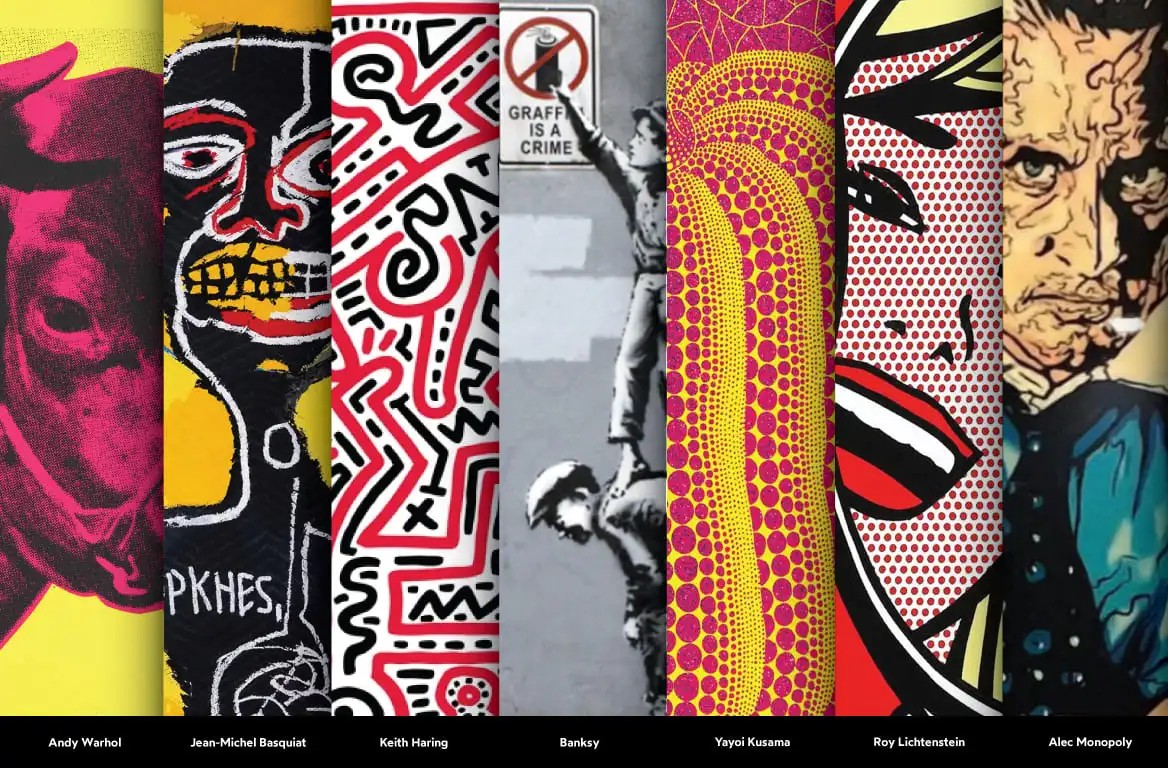
10 blue-chip artists and their iconic works
Global art sales returned to growth in 2025 after two years of decline, and the recovery was concentrated at the top of the market. Works above $10 million drove most of the gain, and the entry level stayed flat. If capital preservation is the goal, the question is no longer whether prices have stabilized. The real test is separating the signatures that earned this stability from those just borrowing it.
What Makes an Artist Blue Chip?
A blue-chip artist has decades of auction history, museum representation across several continents, and enough trading volume for an owner to sell inside a reasonable window. Values move in gradual steps instead of sudden spikes. The Artprice100, the benchmark index for this group, admits an artist only after ten auction results annually over five consecutive years.
The Four Markers a Buyer Can Verify
- Auction history: You want an artist who has been trading publicly for years. The data needs to prove their prices can survive a complete economic downturn.
- Museum representation: Global museum tours and permanent collections guarantee the artwork stays visible to a massive public.
- Liquidity: A true blue-chip artist has enough annual trading volume to let you exit your position without slashing the price.
- Price behavior: When market values increase, they should establish a new baseline. The prices consolidate rather than crashing back down to their starting point.
Where the Line Falls in 2026
A close look at the Artprice100 reveals exactly how exclusive this top tier remains. Pablo Picasso commands 7.9% of the entire index on his own. Andy Warhol follows at 5.1%, with Claude Monet taking 4.8% and Jean-Michel Basquiat securing 4.2%.
But the broader trend is what matters most for buyers today. Post-war and contemporary pieces now account for nearly half of the benchmark. That represents a five-point increase in just five years. It explains why collectors are now building portfolios around living or recently deceased artists, a strategy most traditional advisors would have dismissed a decade ago.
Plenty of well-known names fall outside that core without being poor acquisitions. They occupy a second tier defined by high recognition, deep print supply, and shorter track records. Both groups appear on our list below, separated and labeled, because the two behave differently when the market turns. Our guide to collecting and investing in art covers the mechanics of buying at either level.
Why Blue-Chip Art Belongs in a 2026 Portfolio
Three arguments survive scrutiny. Blue-chip art carries low correlation to short-term stock swings and tracks equities over long horizons, supply at the top is permanently fixed, and institutional demand keeps pulling the best material out of private hands. The 2025 numbers support all three, though with a caveat worth stating plainly.
What the 2026 Market Data Shows
Worldwide sales reached an estimated $59.6 billion in 2025, a rise of 4% and the first year of growth since 2022, as reported in the tenth Art Basel and UBS Global Art Market Report. Dealer turnover grew 2% to $34.8 billion, and public auction results climbed 9% to $20.7 billion, with the increase driven by lots priced above $10 million.
Fine art auction turnover tracked by Artprice rose 12% to $11.1 billion across more than 867,000 works sold. The United States held 44% of global sales by value, the United Kingdom 18%, and China 14%. Dealer confidence improved heading into 2026, with 43% expecting turnover to rise.
How Blue-Chip Art Compares With Equities
The Artprice100 gained 11.2% in 2025 and closed the year at its highest level on record, recovering the 8.3% it lost in 2024. Over the same twelve months the S&P 500 returned 17%. Blue-chip art underperformed equities last year.
The longer view is more useful. Correlation between the two indices runs at 0.88 across 2000 to 2026 and rises to 0.91 measured from 2010. Art tracks broad equity performance over time and diverges sharply inside any given year. The divergence is the point. In 2024 the S&P 500 added 25% while the art index fell. Assets that move on different schedules are what diversification means in practice.
Individual signatures diverge just as much. Basquiat’s price index rose 18% in 2025 while Yayoi Kusama’s fell 15%, inside the same benchmark and the same twelve months. Concentration in a single name involves real risk even at the top of the market. Gustav Klimt’s $236.4 million portrait revealed how much capital is still waiting for the right object.
Scarcity, Institutions, and Global Wealth
Supply at this level cannot expand. Picasso, Warhol, Basquiat, Lichtenstein, and Haring produced finite bodies of work, and every museum acquisition removes another piece permanently. Living artists control their own output and most restrict it deliberately.
Meanwhile an estimated $83 trillion is expected to pass between generations over the coming decades, and a measurable share of it lands with heirs who collect. Fixed supply meeting expanding wealth produces the price behavior collectors have watched for forty years.
How We Built This List
Ten artists earned a place through five tests applied in order. The result mixes established masters with names that trade at a fraction of their prices, because a useful list has to serve a $3,000 buyer as well as a $3 million one.
- Index weight: Seven of the ten hold a documented position in the Artprice100 or an equivalent auction record spanning several decades.
- Institutional standing: Every artist here has work in permanent museum collections, with several holding major 2026 exhibitions.
- Market depth: Each has enough annual lot volume for a seller to find a buyer without discounting heavily.
- Documented performance: Price movement over the last five years is public and verifiable.
- Entry accessibility: The artist offers a legitimate way in below $25,000, whether through prints, editions, or works on paper.
Three names appear on merit as second-tier holdings and carry that label openly in their entries. Recognition and liquidity make them worth owning. Neither one makes them equivalent to Picasso.
The Top 10 Blue-Chip Artists to Collect and Invest in 2026
Seven names below hold documented positions at the top of the auction market. Three trade in a different tier, with strong recognition and shorter histories, and their entries say so. Each profile covers the credential that earns the ranking, the format collectors actually buy, and the risk nobody mentions at the fair.
1. Pablo Picasso
Picasso accounts for 7.9% of the Artprice100, the biggest single position in the index, and he was the most traded artist in the world during 2025 with 3,729 auction results. His prices rose 6% over the year, a modest gain typical of how the largest signatures move.
Paintings occupy the top of his market and rarely appear outside major evening sales. Most buyers enter through linocuts, etchings, and the Madoura ceramics produced at Vallauris in the 1950s, where four-figure and five-figure entry points still exist. Volume is the complication. Picasso produced tens of thousands of works across seven decades, and quality varies enormously inside that output. Two impressions from the same year can differ tenfold depending on state, edition, and condition. Buying Picasso rewards research more than budget.
2. Andy Warhol
Warhol holds the second largest weight in the Artprice100 at 5.1%, behind Picasso and ahead of Claude Monet. His market has the deepest print segment of any post-war artist, and the breadth means a buyer can enter at almost any level without leaving the blue-chip category.
Warhol’s signed screenprints from the named portfolios drive the demand, above all Marilyn, Campbell’s Soup, Flowers, Mao, and Endangered Species. Edition sizes typically run between 100 and 250, a band wide enough for regular availability without diluting resale.
The risk lies in what buyers mistake for the same thing. Later editions, unsigned trial proofs, and posthumous printings circulate widely and trade far below the signed originals despite looking identical on a wall. Provenance and the Feldman-Schellmann catalogue reference decide the price here, and neither is optional.
3. Jean-Michel Basquiat
Out of all ten artists, Basquiat had the strongest year in 2025. His price index grew 18% over twelve months, beating the broader blue-chip average of 11.2%, and he now makes up 4.2% of the Artprice100.
The market also saw a massive sale in November 2025. His 1981 painting Crowns (Peso Neto) brought in $48.34 million at Sotheby’s, a 38% higher than its low estimate, and anchored a total auction of $178.5 million.
Original canvases start in the low millions and move quickly when quality is high. Basquiat works on paper offer a realistic entry, and estate-authorized print editions sell in the tens of thousands. The complication is proof of authorship. The Jean-Michel Basquiat authentication committee dissolved in 2012, so verification now depends on provenance documentation and exhibition history. Given the forgery volume around his name, buying without unbroken ownership records is the fastest way to lose money here.
4. Gerhard Richter
Richter occupies 2.9% of the Artprice100 and holds a position no other living painter matches. Museums across Europe and North America hold him in depth, and his critical standing has never depended on market cycles. He stopped painting on canvas in 2020 and confirmed the decision publicly, fixing the supply of new work permanently.
The abstract paintings command the highest sums, though values swing widely by period. Editions and photographic works form the accessible layer, and the segment is far deeper than most buyers expect. Richter produced them consistently for six decades under strict documentation. Period sensitivity is where money gets lost. Two abstract canvases of similar size and appearance can differ by a factor of five depending on the year, and buyers who read the surface instead of the catalogue raisonné routinely overpay.
5. Roy Lichtenstein
Institutional attention arrives on schedule this year. The Whitney Museum opens Roy Lichtenstein: Like New on October 11, 2026, bringing together roughly 130 works and reuniting all eight paintings from his 1962 debut at Leo Castelli for the first time. The museum holds 443 pieces by him, and the Kunstmuseum Basel runs a parallel print survey from August 2026 to March 2027.
Prints define his accessible market. The Roy Lichtenstein Foundation catalogues the editions strictly, and the documentation makes verification cleaner than most post-war signatures allow. Paintings from the 1960s reach eight figures on the rare occasions they come up. Thinness at the top is the constraint. Fewer than a dozen major canvases trade in a strong year, so a seller with a significant Roy Lichtenstein may wait several seasons for the right sale.
6. Yayoi Kusama
Kusama earns her place on merit and offers the clearest warning here. She holds 2.8% of the Artprice100, yet her prices fell 15% during 2025 while the benchmark rose. The drop happened inside one index over twelve months. It demonstrates what concentration in a single signature can cost.
The early Infinity Nets from the late 1950s and 1960s anchor the top of her market and rarely come up. Screenprints, the pumpkin sculptures, and the polka-dot editions supply the volume, trading from four figures upward. Saturation is the counterweight. Kusama has produced prolifically for two decades and licensed her imagery widely, including retail collaborations that reached millions of consumers. Ubiquity built her audience and now caps the scarcity argument that supports prices elsewhere in this ranking.
7. Keith Haring
Haring receives his most significant institutional reassessment in decades this year. Crystal Bridges opened Keith Haring in 3D on June 6, 2026, running through January 25, 2027, the first exhibition devoted entirely to his sculptural output. The Philadelphia Museum of Art included his work in a major group show earlier in the year.
Prints supply the volume. The Pop Shop portfolios, the subway drawings, and the signed screenprints sell reliably at four and five figures. Appetite has stayed consistent through three market cycles. Original canvases reach seven and eight figures. Forgery is the problem here. His authentication committee dissolved in 2012, his line is deceptively simple to imitate, and fakes circulate in volume. Buy Keith Haring on the strength of the paperwork.
8. Banksy
The first of three second-tier entries. Banksy has the most liquid market in street art, with signed screenprints trading continuously through dedicated platforms and major houses. Recognition rivals anyone above him. His auction history spans two decades instead of six, and the shorter record places him in this tier.
Banksy’s signed screenprints from the Girl with Balloon, Love Rat, and Barcode series make up most of the volume, with unsigned editions offering a cheaper route at meaningfully lower resale. Every purchase depends on a single point of failure. Pest Control is the only body that authenticates his work, no certificate means no sale at auction, and the backlog is long enough to affect transaction timing.
9. KAWS
Museums settled the argument about KAWS some time ago. His touring survey opened at the Art Gallery of Ontario and closed at SFMOMA in May 2026, the Albertina Modern in Vienna is showing him through September, and next year the New York Botanical Garden hands him 250 acres of grounds. He appears in the second tier here for one reason. The auction history behind all that institutional attention is still young.
Unique canvases and small-edition bronzes hold the top of his market. Signed screenprints start around $8,000 and give most buyers their way in. KAWS’ vinyl figures is where money gets lost. An open edition keeps his name circulating and almost never appreciates, though the early limited releases have behaved like something else entirely. A good share of the demand under all of this was built through consumer products, and the audiences who arrived that way move on faster than museums do.
10. Alec Monopoly
The third of the second-tier entries. Alec Monopoly costs a fraction of everyone else here, and that is the argument for him. A first purchase in the low four figures buys a signed work by an artist with real international recognition, controlled output, and primary prices that have held their level for years. He offers a way into collecting. Anchoring a portfolio is another job entirely, at another budget.
The hand-painted multiples are the pieces to know. They occupy the ground between open prints and unique canvases, and resell better than anything else in his accessible range. His auction record is the caveat. It runs short next to every other name on this page and has never been tested through a full downturn, so the celebrity association driving a measurable share of his demand has yet to prove itself in a bad year. Buy Alec Monopoly because you want the picture on your wall, and count any appreciation as upside.
Blue-Chip Artists Compared
Liquidity and entry cost move independently. Warhol and Banksy trade constantly at accessible levels, while Richter and Lichtenstein carry higher stability with slower exits. The table below ranks each artist on the four factors that decide how a purchase behaves after you own it. Our guide to investing in Andy Warhol covers his segment in detail.
| Artist | Approximate entry point | Liquidity | Market stability | Growth potential | Best format |
|---|---|---|---|---|---|
| Pablo Picasso | Around $3,000 | High | Very high | Moderate | Linocuts, etchings, ceramics |
| Andy Warhol | Around $30,000 | Very high | Very high | Moderate | Signed screenprints |
| Jean-Michel Basquiat | Around $10,000 | High | High | High | Estate-authorized editions |
| Gerhard Richter | Around $5,000 | Moderate | Very high | Moderate | Editions and photo-works |
| Roy Lichtenstein | Around $15,000 | Moderate | Very high | Moderate to high | Signed prints |
| Yayoi Kusama | Around $5,000 | High | Moderate | Moderate | Screenprints, pumpkin editions |
| Keith Haring | Around $5,000 | High | High | Moderate to high | Pop Shop prints, portfolios |
| Banksy | Around $15,000 | Very high | Moderate | Moderate | Screenprints with Pest Control |
| KAWS | Around $8,000 | High | Moderate | Moderate | Signed screenprints |
| Alec Monopoly | Around $1,500 | Moderate | Developing | Speculative | Hand-painted multiples |
Entry points above are approximate and move with condition, edition, and image. They indicate where a first purchase realistically begins, not what any single work will cost.
Estimate ranges published by the major houses show where those bands come from. When Sotheby’s closed Prints & Photographs Part I in New York on April 14, 2026, a signed artist’s proof of Roy Lichtenstein’s CRAK! carried an estimate of $15,000 to $25,000. It came straight from the artist's estate, consigned within Pop Impressions: Prints from the Collection of Dorothy and Roy Lichtenstein, and the house guaranteed the lot.
Estate provenance and a guarantee on a print in that band say a good deal about how the segment is now treated. Phillips runs dedicated editions auctions in New York and London featuring eight of the ten artists here, and the seasonal calendar is the practical route in for most buyers.
In every tier of this market, growth potential and stability pull in opposite directions. The most stable artists have already completed their price discovery, so a buyer is paying for reliability and not for future upside. The signatures with the most room to grow carry a much shorter record. Our Banksy investment guide (https://artlife.com/news/banksy-investment-guide/) works through that trade-off in the most liquid segment of the group.
Which Artist Fits Your Budget?
Budget settles the format question long before it decides the artist. Six of these ten can be bought under $10,000 in some form, and none of them offers a major work under $100,000. The four bands below match realistic entry points to the formats that make sense at each stage.
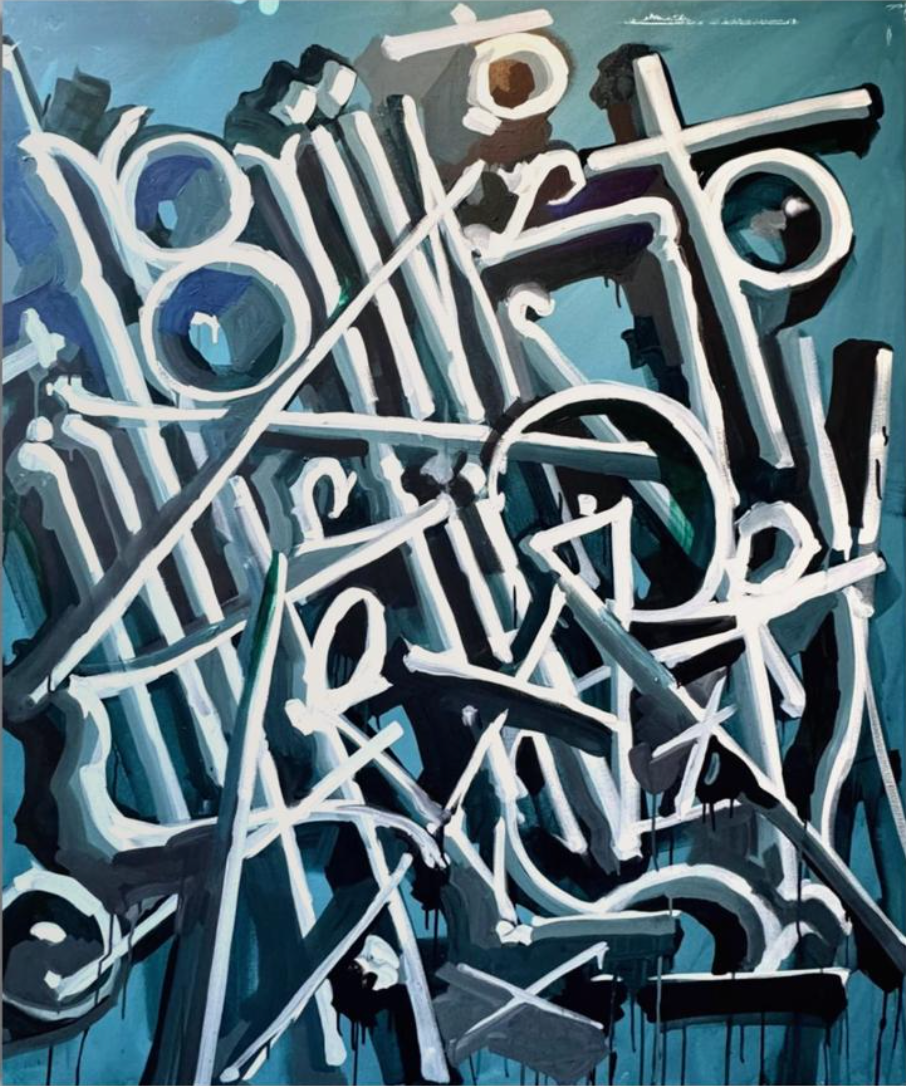
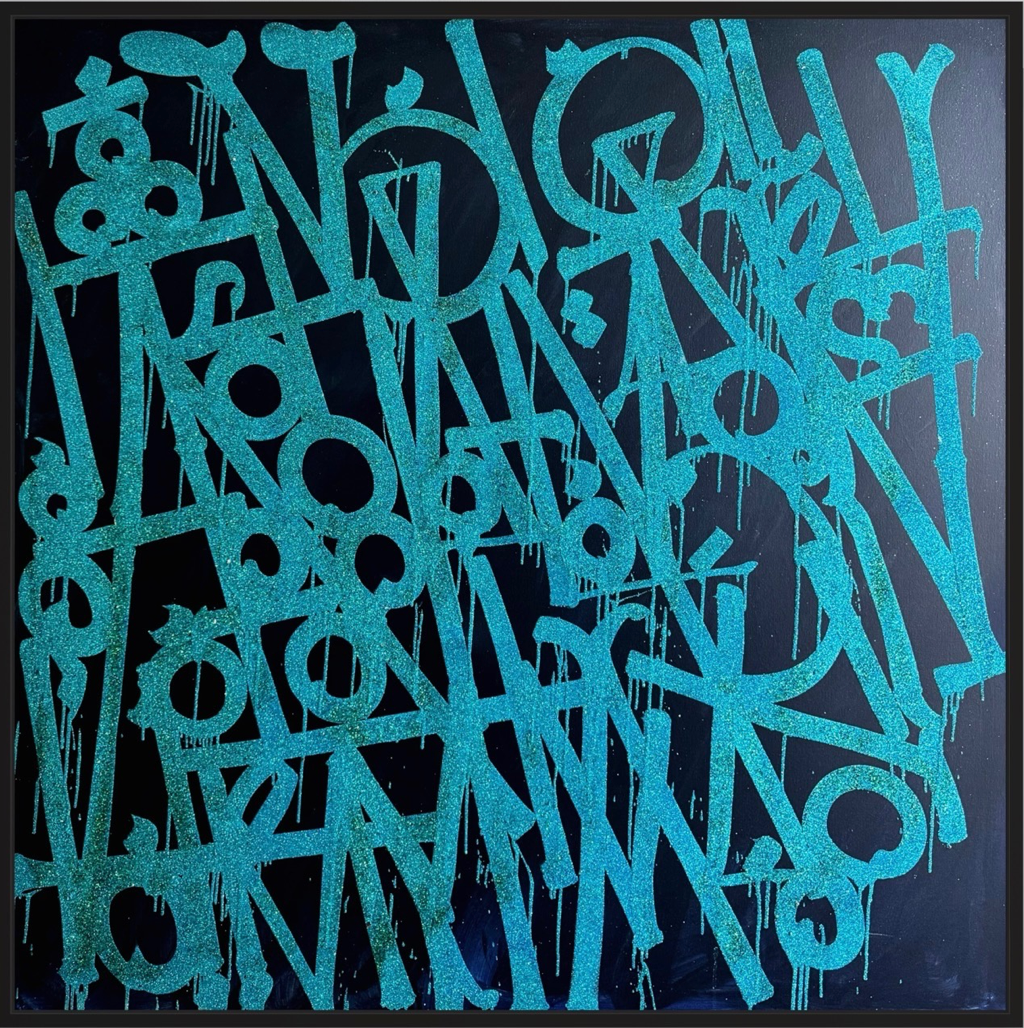
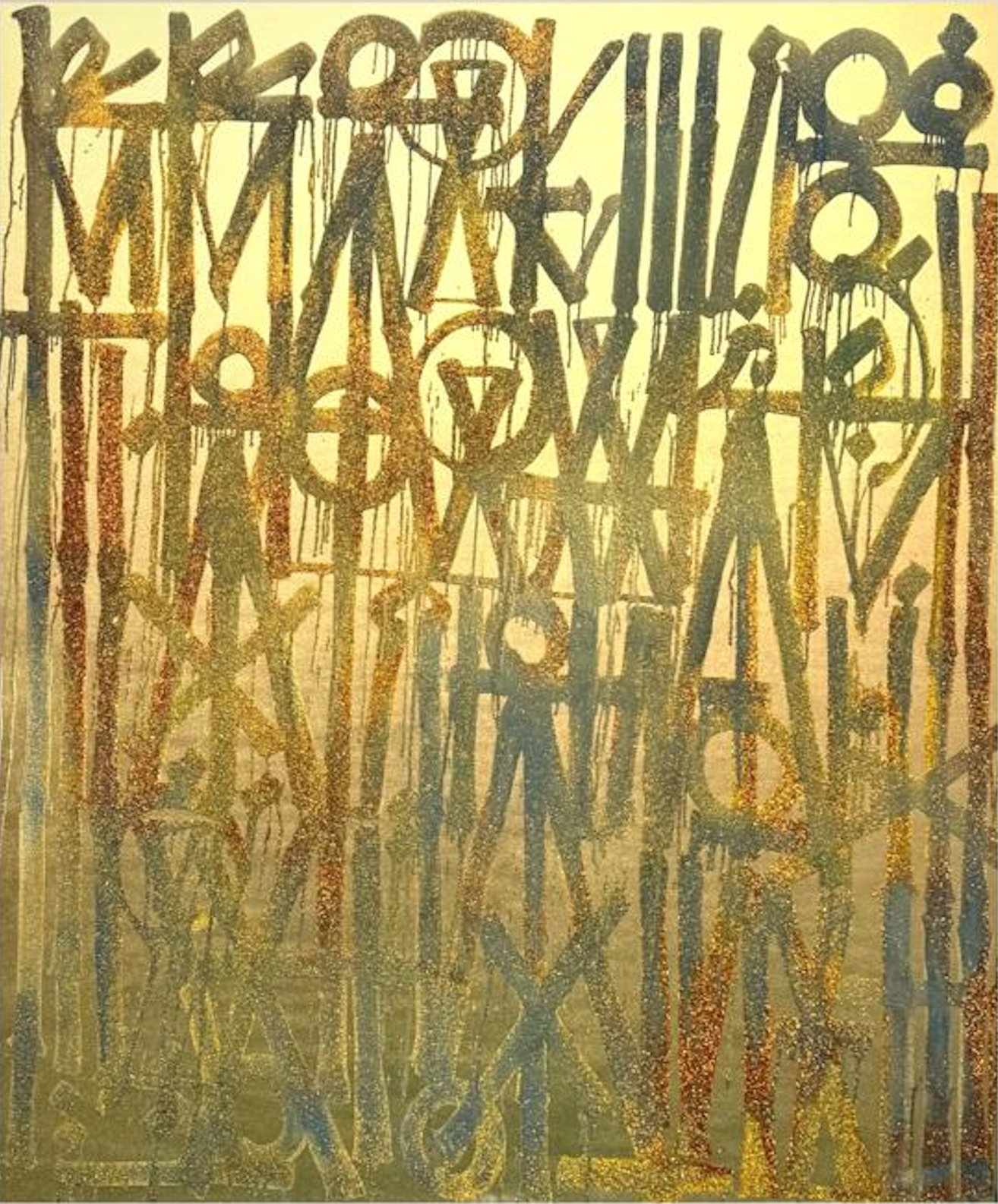
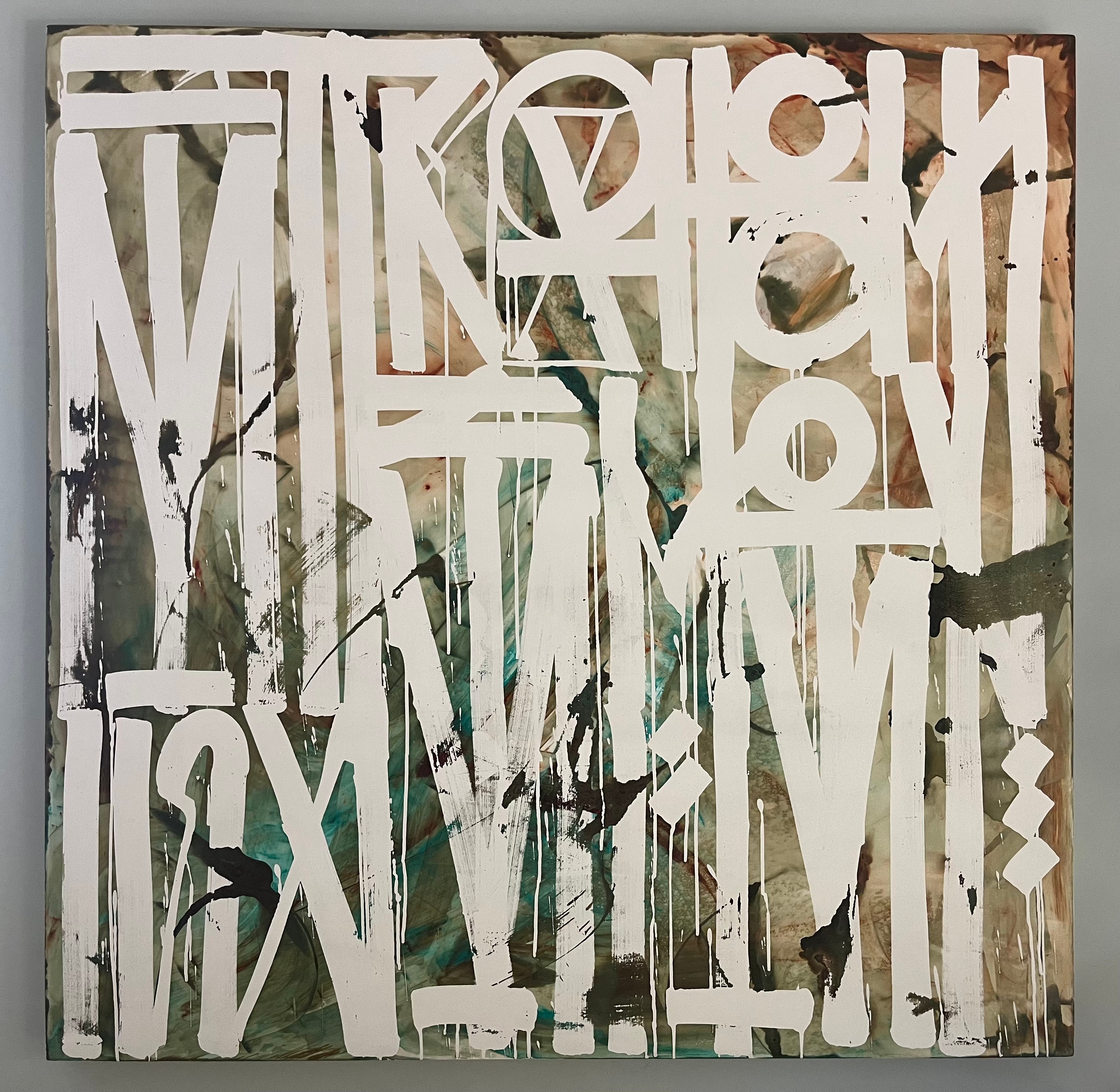
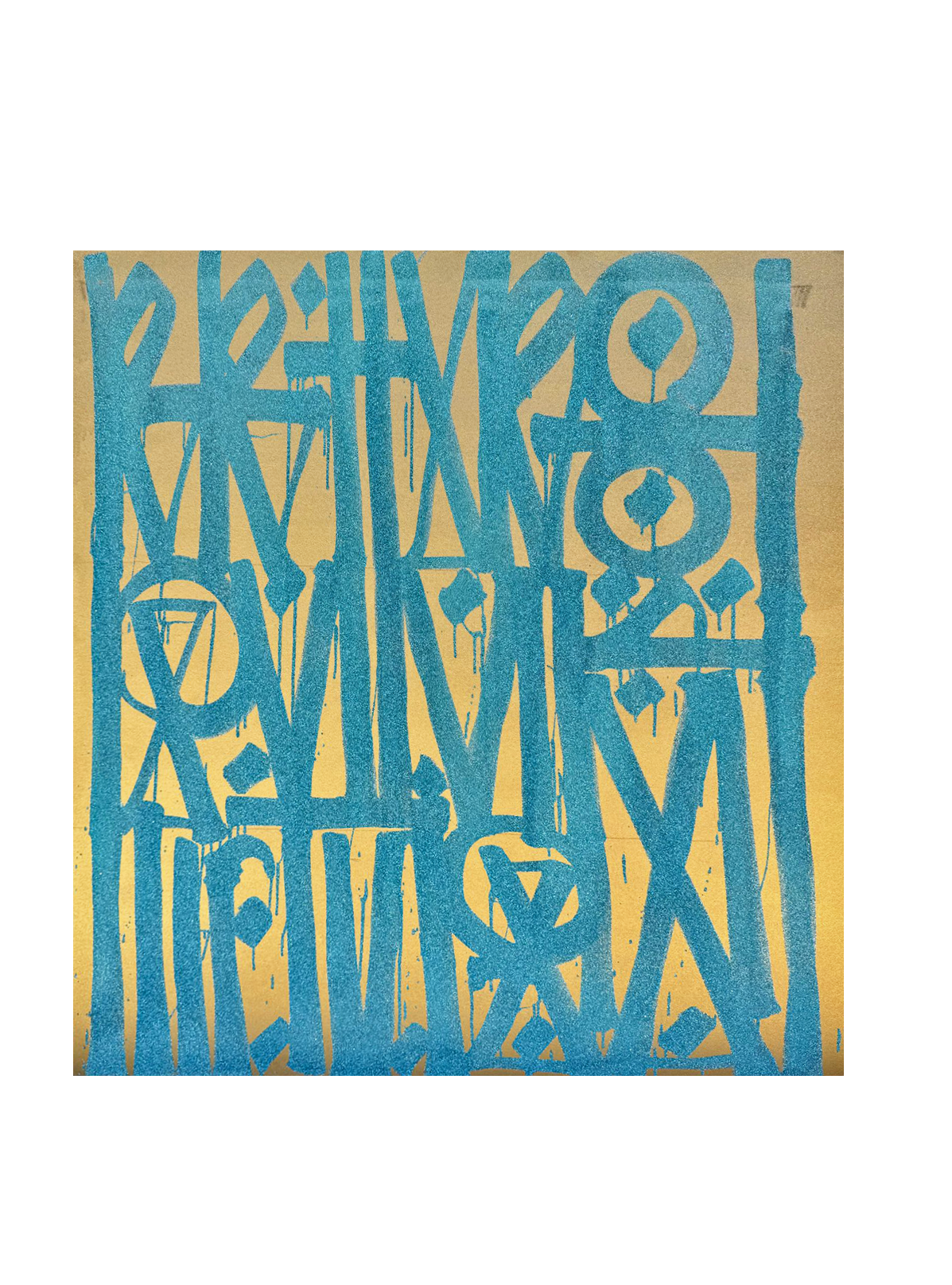
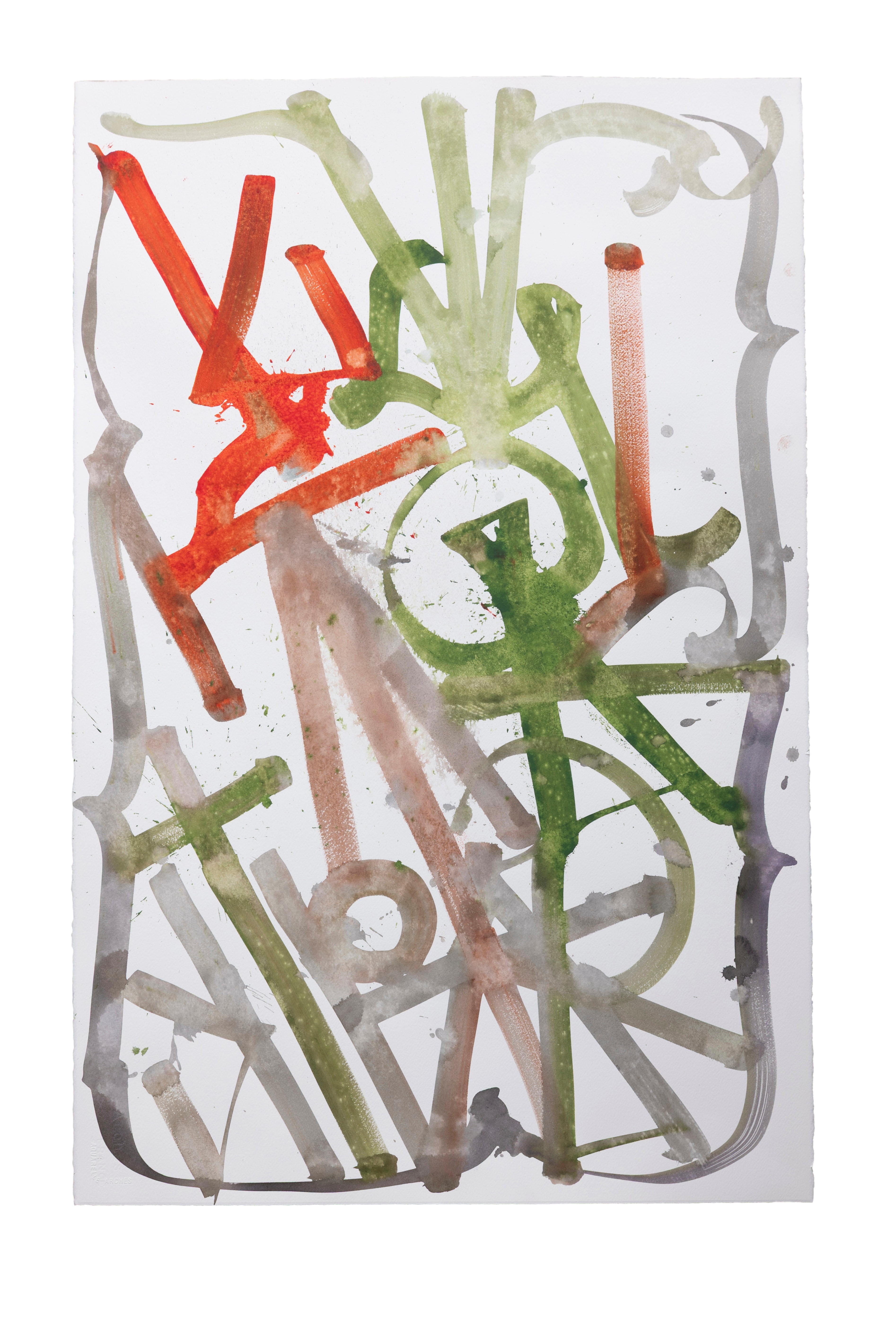
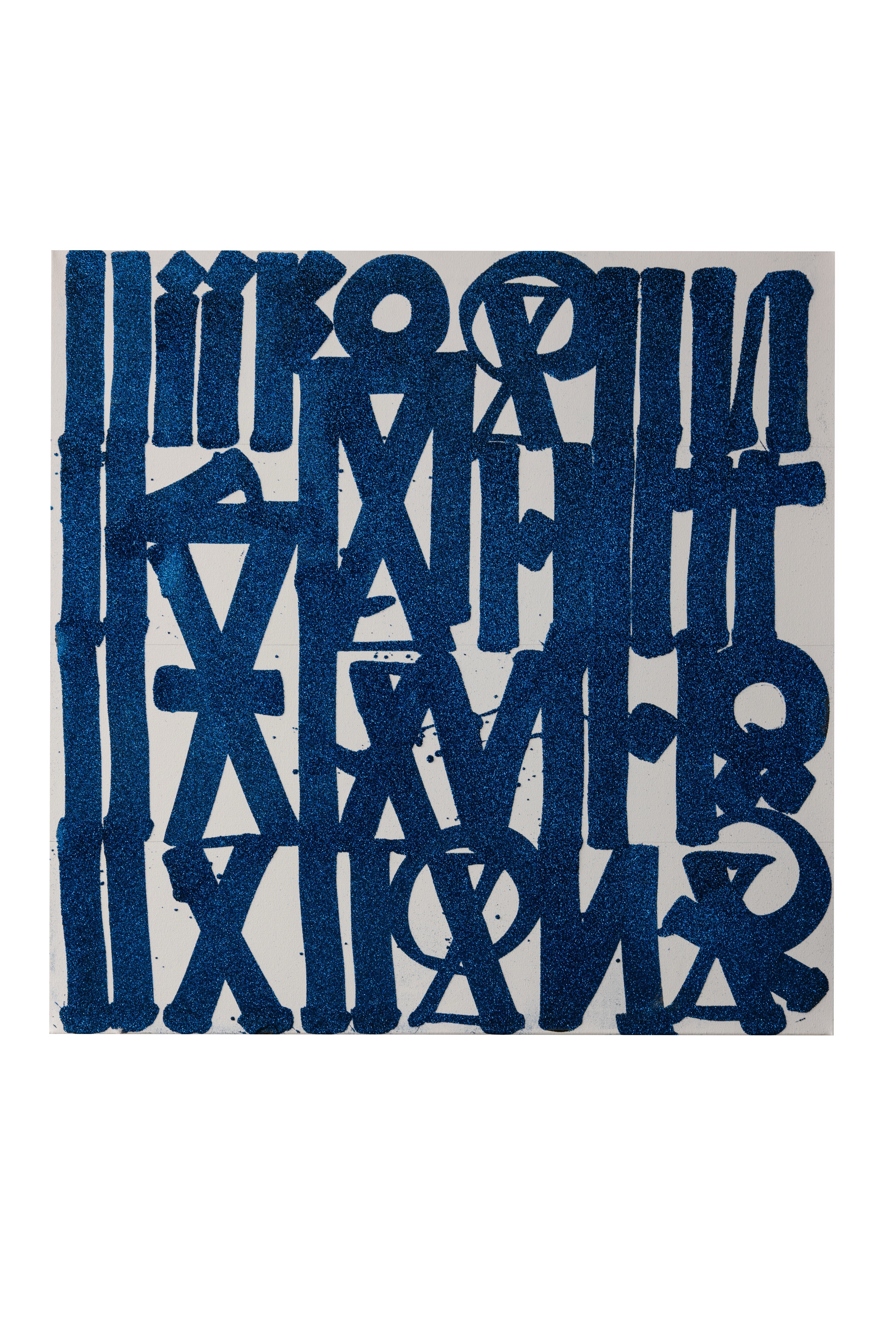
Under $5,000. Picasso linocuts and Madoura ceramics, Alec Monopoly prints, and Kusama or Haring screenprints from the smaller portfolios all trade in this band. Emerging street art belongs here too, and Retna sells original canvases at prices where blue-chip names stop at paper.
$5,000 to $25,000. The range opens up Richter editions, Haring Pop Shop portfolios, Lichtenstein prints from the documented series, Basquiat estate editions, KAWS screenprints, and Alec Monopoly hand-painted multiples. Unsigned Banksy sheets also live here, trading at roughly a third of what the signed versions command.
$25,000 to $100,000. Warhol screenprints from the named portfolios, Banksy editions with Pest Control paperwork, major Lichtenstein images, and early limited KAWS figures become available. This is also where buyers get caught out. A perfect impression and a tired one can cost about the same, so condition knowledge earns its keep
Above $100,000. Unique work becomes reachable here, including paintings, major works on paper, and small-edition sculpture. Basquiat drawings, Haring canvases, Richter abstracts, and Lichtenstein pictures all appear in this range. Supply is thin enough that money alone will not get you one. You wait for the right example.
What Can Go Wrong in a Blue-Chip Purchase
Four failures account for most losses at this level. Buyers acquire unauthenticated pieces, pay retail into a falling market, hold something illiquid when cash is needed, or ignore condition. None of the four depends on the artist being a poor choice.
Authentication. Basquiat and Haring both dissolved their committees in 2012, and Banksy verification runs entirely through Pest Control. A work without documentation does not trade at auction, no matter how convincing the surface. Our walkthrough of Pest Control authentication lays out how demanding the process has become.
Market timing. The blue-chip index fell 8.3% in 2024 before gaining 11.2% in 2025. Anyone who bought at the January 2024 peak waited until 2026 to recover. Art rewards holding periods measured in years, and buyers who may need liquidity inside eighteen months belong in a different asset.
Condition and storage. Light damage on works on paper is permanent, wiping out value regardless of where the broader market stands. Prints and drawings need UV glazing and stable humidity, and the cost of proper framing is negligible compared to the investment it preserves.
Overpaying. Retail pricing above auction comparables is common and sometimes justified by rarity or condition. Checking the last three comparable results before committing takes an afternoon and is the single most useful habit to build early.
Frequently Asked Questions
What is a blue-chip artist?
An artist with decades of public auction history, work in permanent museum collections on multiple continents, and enough annual trading volume that an owner can sell without accepting a distressed price. The label describes market behavior. Plenty of important artists never qualify.
Which blue-chip artist has the best investment potential?
Basquiat posted the strongest 2025 performance among the artists here, with his price index up 18% against a benchmark gain of 11.2%. Past movement predicts nothing, though. The more useful question is which artist you can afford at a quality level worth owning, because a weak example of a great name underperforms a strong example of a lesser one.
Is blue-chip art a safe investment?
No investment carrying an 8.3% annual drawdown, as this segment did in 2024, qualifies as safe. Blue-chip art offers low correlation to short-term equity swings and permanent scarcity at the top. It also carries illiquidity, authentication risk, and holding costs that stocks do not.
Should beginners buy blue-chip art?
Yes, provided the purchase happens in prints or editions instead of unique works. The documentation is cleaner, the comparable sales are public, and the capital at risk is manageable as you learn how condition and provenance are actually priced. Most experienced collectors started exactly there.
Are prints a good investment?
Signed documented prints from established portfolios have appreciated steadily across decades and remain the most liquid segment available. Open editions and unsigned reprints behave differently and rarely gain value. The distinction between the two decides the outcome. It is not always obvious from the image alone.
Where can I buy blue-chip art?
Established galleries, the major auction houses, and vetted private dealers all offer legitimate routes, each with its own pricing and level of checking done for you. Whichever you choose, insist on written provenance, condition reporting, and a clear return position before funds move.
Ready to Acquire Blue-Chip Art?
ArtLife connects collectors with investment-grade prints and exceptional works by established blue-chip artists, selected for quality, provenance, rarity, and long-term market appeal. Contact ArtLife today to explore our private inventory and secure your next significant acquisition.